
Last updated November 16, 2026
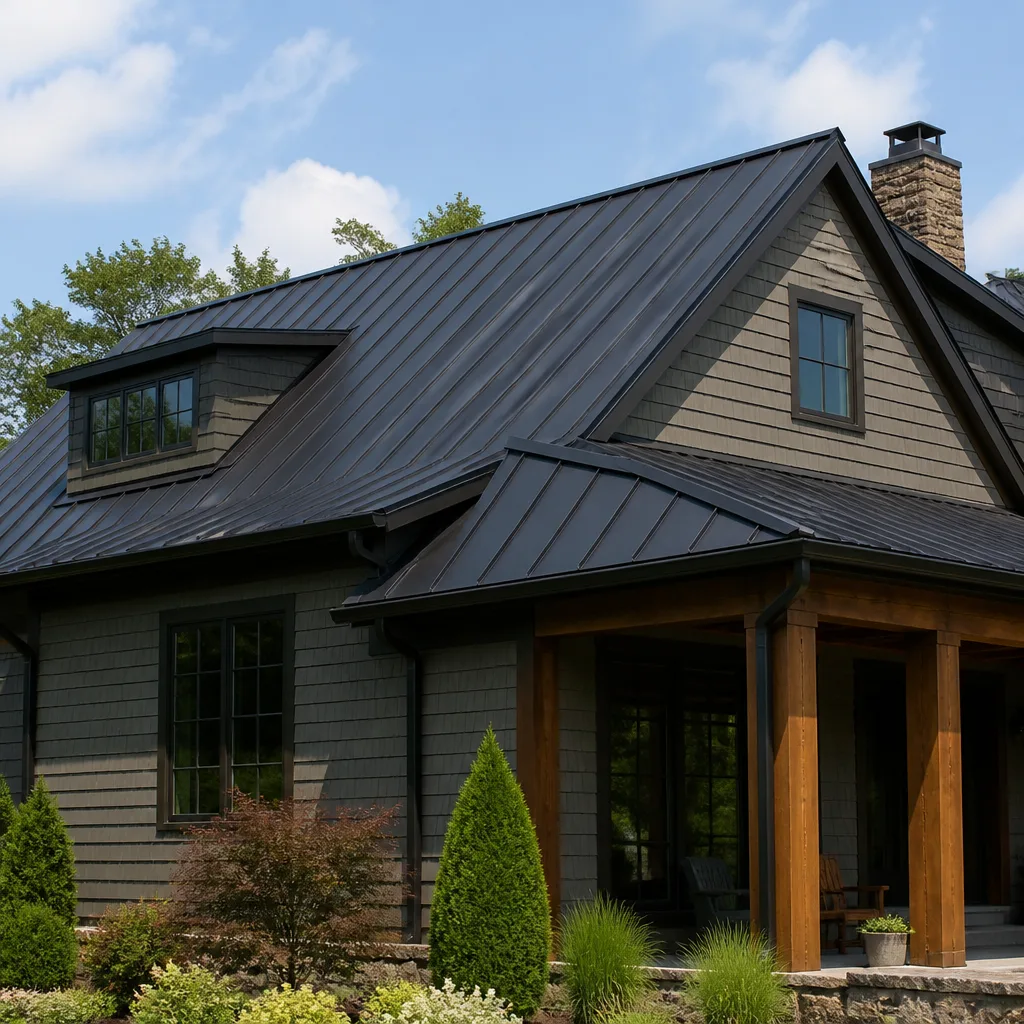 Metal roofing
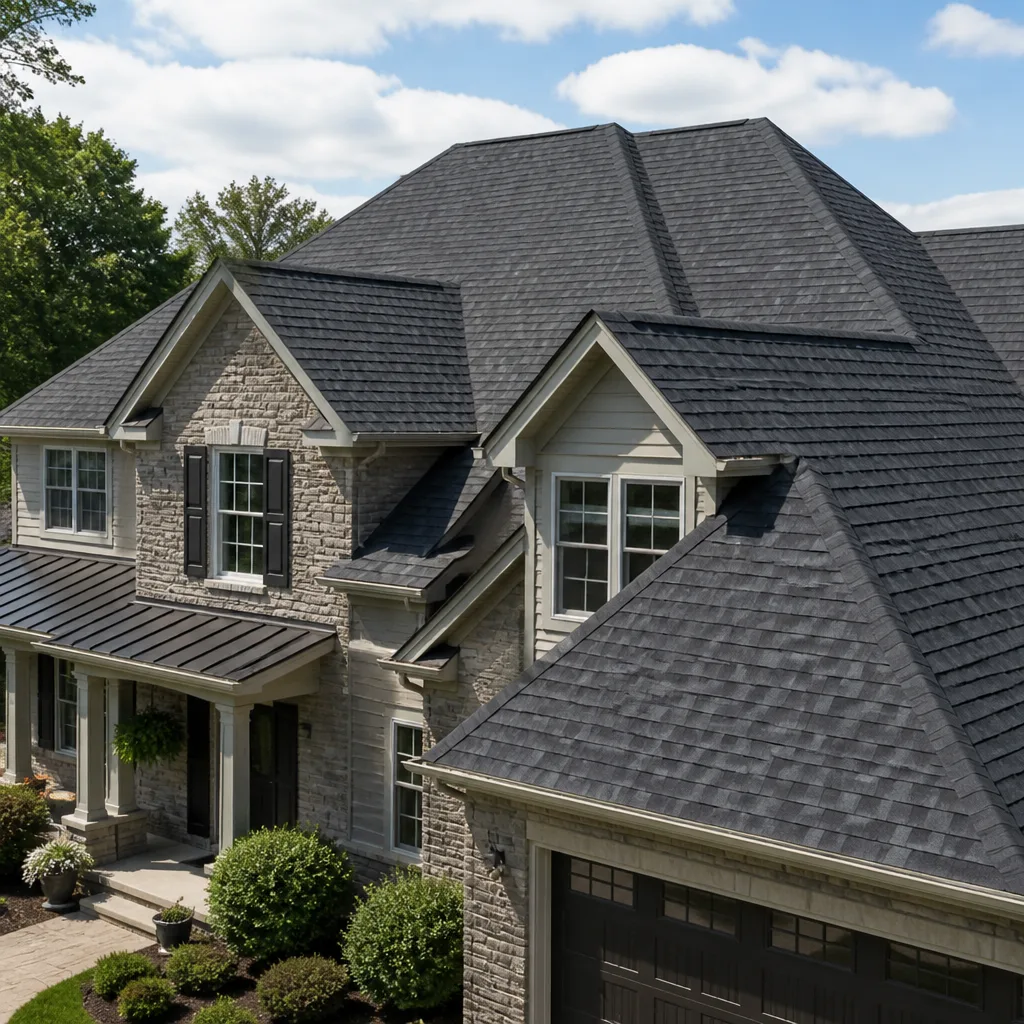 Architectural shingles
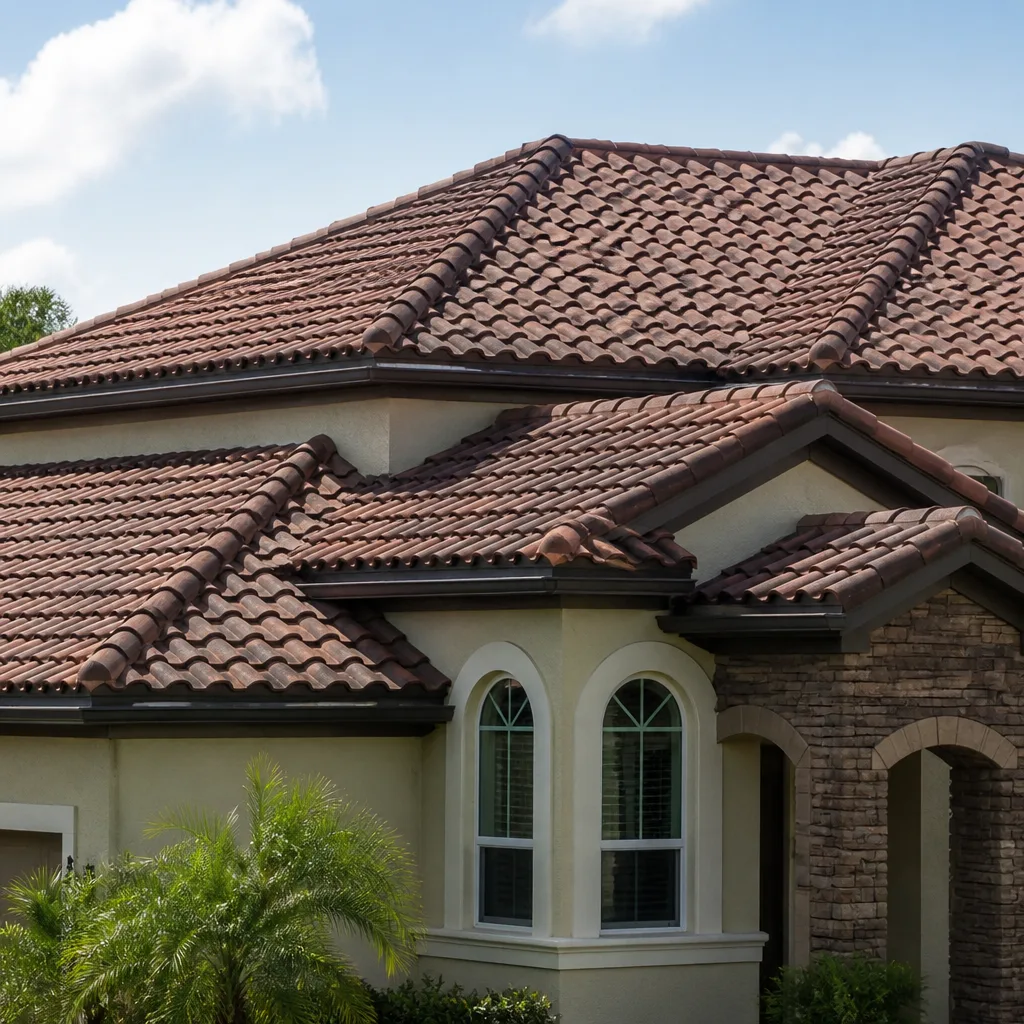 Tile roofing
 GAF
 Owens Corning
 Flat & low-slope
Free roof inspection with deck photos before we talk money - GAF and Owens Corning certified installation
Roofing Cost Breakdown: The Enterprise Homeowner’s Reference for 2026
Most homeowners assume the shingles drive the price of a roof. In our experience across Enterprise, the opposite is usually true: tear-off and disposal is often the single largest line on a proposal, and it’s the line national cost calculators get most wrong. Here in the desert, high-heat working conditions cut into productivity through the summer, and Clark County landfill tipping fees land on top of the labor. That means a number pulled from a national website can be thousands of dollars off what a contractor actually has to charge. This guide breaks down what’s fixed, what varies with scope, and where the real leverage sits in your roofing budget.
Quick Answer
Roofing costs in Enterprise depend on three things: the material tier you choose, how many layers have to be torn off, and how much code-driven work the roof needs underneath. In 2026, most Enterprise homeowners are looking at a repair in the low hundreds to low thousands of dollars, or a full replacement in the low-to-mid five figures for an average single-family home. The written, line-item estimate is the only number that matters. National averages are a starting point, not a quote.
Styles & brands we work with
- Architectural shingles
- Metal roofing
- Tile roofing
- GAF
- Owens Corning
- Flat & low-slope
Table of Contents
- What Are the Fixed Costs Every Roofing Project Pays?
- How Much Do the Three Main Shingle Tiers Cost Per Square in Enterprise?
- Why Is Tear-Off and Disposal the Biggest Variable?
- What Do “Code Upgrades” on a Proposal Actually Mean?
- How Do You Compare Bids That Specify Different Brands?
- Repair or Replace: How Do You Read the Inspection?
- What Else Drives a Roofing Budget in Enterprise?
- How Should You Build a Long-Term Roofing Budget?
What Are the Fixed Costs Every Roofing Project Pays?
Some costs on a roofing estimate don’t care how big your roof is. They’re the floor of the project, and understanding them is how you spot a bid that’s cutting corners versus one that’s just being honest about scope.
Permit and inspection fees are the clearest example. Most cities and counties require a permit for a full reroof, and a reroof permit typically triggers an inspection before the job is signed off. The fee is set by the jurisdiction, so it’s the same whether your roof is 1,800 square feet or 3,500. In unincorporated Clark County, that permit structure is separate from what a city like Henderson or Las Vegas charges, so a bid that quotes a permit number without checking your specific jurisdiction is a red flag.
Equipment staging is another fixed cost that doesn’t scale with roof size. Every replacement project needs a dumpster or disposal trailer on site, and that means positioning it where it won’t block your neighbors, your driveway, or access to the roof. Staging takes time and planning regardless of the square count.
- Permit fees – set by the jurisdiction, not the roof size.
- Inspection fees – usually bundled into the permit, sometimes separate.
- Dumpster or disposal trailer – one placement, one pickup, one fee.
- Mobilization – the labor and time to get materials and equipment to the site.
- Final cleanup and magnetic sweep – nails and debris removal, which every job owes you.
When you compare bids, ask each contractor to show these fixed costs separately from the per-square pricing. A bid that hides them in a lump sum makes it harder to see where the real money is going. If you want to understand how we separate these on roof replacement, that’s exactly the structure we use.
How Much Do the Three Main Shingle Tiers Cost Per Square in Enterprise?
Roofing is priced by the “square,” which is 100 square feet of roof surface. A typical Enterprise single-family home runs somewhere between 20 and 35 squares, so the per-square number is where the biggest material decision gets made.
Nationally, 3-tab shingles are quoted at the bottom, architectural shingles in the middle, and impact-resistant or premium products at the top. But that national spread doesn’t reflect what a 2026 Clark County contractor actually pays for labor or materials. Desert-rated specifications, extra UV-tolerant granules, and the material standards that hold up in our summer heat all push the Enterprise number above the national figure. Here’s the tier structure we work with:
| Material Tier | Typical Per-Square Range (Materials + Labor) | What It’s Best For |
|---|---|---|
| 3-tab shingle | Lowest tier | Budget-conscious replacements, rental properties, short-hold situations |
| Architectural shingle | Mid tier | The standard choice for most owner-occupied Enterprise homes |
| Impact-resistant / premium architectural | Highest tier | Long-hold homes, high sun exposure, or homeowners who want the longest service life |
The exact dollar range depends on the brand, the pitch of your roof, how many layers have to be removed, and the length of the runs the crew has to walk. A CertainTeed architectural shingle and an Owens Corning architectural shingle sit in nearly the same price band, but the specifications differ enough that it pays to compare them side by side rather than assuming they’re interchangeable.
One thing worth knowing: 3-tab shingles are becoming less common on premium projects in our market, not because they’re bad, but because architectural products have become the de facto standard for new construction and resale. If you’re evaluating repair versus replacement, a 3-tab roof nearing the end of its life is often better replaced with architectural than patched again.
Why Is Tear-Off and Disposal the Biggest Variable?
Tear-off is where a roofing bid can swing by thousands of dollars, and it’s the line most homeowners gloss over. It’s also the line where a national estimate is least useful in Enterprise.
Single-layer tear-off means a crew is stripping one set of shingles off your deck. Multi-layer tear-off means two, three, or more layers depending on what previous roofers installed. Every additional layer multiplies the labor hours, the disposal weight, and the number of trips to the landfill. A 3-layer tear-off on the same square count can run substantially more than a single-layer one, and the gap is real, not padding.
- Layer count. We count layers before we quote, because guessing wrong is how bids get “revised” mid-project.
- Disposal weight. Shingles are heavy. More layers means more tons, and landfill tipping fees are charged by weight.
- Clark County tipping fees. The jurisdiction’s disposal fees are baked into every tear-off quote. They’re not a hidden cost – they’re a real cost that has risen in recent years, and a bid that ignores them is either subsidizing your job or planning to cut elsewhere.
- Summer heat and productivity. Working on a roof in July and August in Enterprise is genuinely harder. Crews take heat breaks, work earlier in the day, and cover less area per hour than they would in a cooler climate. That reduced productivity shows up as labor cost, and it’s why a spring or fall replacement sometimes pencils out better than a midsummer one on the same scope.
If your roof has been layered, ask the contractor to state the layer count in writing and to explain how the disposal cost is calculated. If you’re not certain how many layers are up there, an inspection settles it before anyone writes a quote. We’ve seen too many projects where the “surprise” layer gets discovered on day one, and the price changes on day two.
What Do “Code Upgrades” on a Proposal Actually Mean?
The section of a roofing proposal labeled “code upgrades” or “required corrections” is where homeowners get the most suspicious, and understandably so. But most of those items are legitimate, and skipping them is how a roof fails early. Here’s what typically sits in that section and why it belongs in a 2026 Enterprise bid.
Underlayment. The layer under your shingles is what actually keeps water out when a shingle gets lifted in a windstorm. Most jurisdictions update their underlayment requirements periodically, and a reroof is typically the point where code catches up. A product that met code fifteen years ago may not meet it now. Additional underlayment material and labor is a real cost, not a markup.
Ventilation corrections. In our heat, attic ventilation is not a luxury. It’s the difference between a roof that hits 160 degrees under the deck and one that stays closer to ambient. If your existing ventilation is undersized for the roof area, inspectors in Clark County may flag it, and correcting it means adding ridge vent, intake vent, or both. That’s a line item that protects the shingles you’re paying for.
Flashing replacement. Flashing at walls, valleys, skylights, and chimneys is one of the most common leak points on any roof. Reusing old flashing on a new roof is a shortcut that inspectors don’t always catch but that causes callbacks. New flashing is cheap insurance compared to chasing a leak in a finished roof.
- Drip edge. Required at eaves and rakes on most modern installs; often missing on older roofs.
- Decking repair. Soft or rotted sheathing has to be replaced before the new roof goes on. Usually quoted as a per-sheet allowance because the amount isn’t known until tear-off.
- Ice and water shield at specific locations. Valleys, eaves, and penetrations typically require it under current standards.
Ask any contractor to quote code items separately. A transparent proposal separates “this is required by code” from “this is an upgrade we recommend.” Both are fine. Mixing them into a single number is what buries trust.
How Do You Compare Bids That Specify Different Brands?
This is the trap in most roofing budgets: comparing total prices on bids that specify different products. A $14,000 bid and a $17,000 bid are not the same job, and the higher one isn’t automatically the worse value. Here’s how we’d compare them side by side.
- Match the material tier first. A bid that specifies a 3-tab product and one that specifies an architectural product aren’t competing bids; they’re different roofs. Get both contractors to quote the same tier.
- Check the product’s rated service life. A 25-year rated shingle and a 30-year rated shingle both sound similar in conversation but age very differently under the kind of UV load we get in Enterprise. If a bid uses a mid-tier product in a high-UV climate and another quotes a longer-rated system, the lower total often isn’t the better deal.
- Ask about the manufacturer, not just the product name. CertainTeed, Owens Corning, IKO, and Atlas all make good products. But their warranty structures, granule technology, and desert performance differ. A contractor fluent in multiple brands can explain those differences without a sales script. Enterprise Roofer works with seven major manufacturers specifically so the recommendation comes from the roof’s needs and your budget, not from which rep stopped by recently.
- Compare the underlayment and ventilation line items. Two bids with the same shingle tier can diverge by thousands if one is upgrading underlayment and the other is reusing what’s already there.
- Compare the tear-off scope. Single layer versus multi-layer changes the price more than the shingle brand does. Make sure both bids are quoting the same layer count.
- Compare the warranty in writing. Materials warranty is one thing. Workmanship warranty is another. Ask each contractor to put both in the proposal.
The single most useful comparison tool is a like-for-like proposal. If you can’t line up the numbers row by row, the total at the bottom is meaningless. That’s the entire reason we quote line by line instead of in a lump sum.
Repair or Replace: How Do You Read the Inspection?
An inspection should tell you what your roof actually needs, and the honest answer is sometimes repair. The inspection’s job is not to validate the replacement you were already expecting, or the one someone is trying to sell you. Here’s how we read an inspection report and what each finding usually means.
Repair-first situations. Isolated granule loss, a few lifted or damaged shingles from wind, a single flashing failure at a chimney, or a localized leak that hasn’t spread. These are typically a roof repair job, and a good roofer will write a repair estimate without pushing replacement.
Borderline situations. Widespread granule loss, multiple leaks in different areas, shingles past their rated life with visible curling, or rising energy bills in summer. Repair can still make sense if the structure is sound, but the slope of future maintenance is going up and the homeowner should know the number.
Replacement situations. Leaks that recur in the same area after repair, deteriorating decking found under the shingles, more than one layer already on the roof, or a roof at or past its rated service life. A roof that’s been patched three times in two years is usually a replacement conversation, not a repair one.
The most useful thing an inspection can do is give you a photo record. On a roof in Enterprise, the difference between “the shingles are fine” and “the shingles look fine but the underlayment is shot” is only visible in the photos the inspector takes. Ask for them.
What Else Drives a Roofing Budget in Enterprise?
Beyond the fixed costs, material tiers, and tear-off, several variables drive the final number. None of them are unique to Enterprise, but all of them show up here more than national guides suggest.
Roof pitch and access. A steep roof needs fall protection and slower, more careful work. A flat or low-slope section may need a different material system entirely. Second-story access adds setup time and safety equipment. Ranch-style homes common across Enterprise tend to be simpler to work on than two-story homes with complex rooflines.
Roofline complexity. Valleys, dormers, skylights, chimneys, and multiple roof planes all add labor. A simple gable roof is the cheapest geometry; a complex hip-and-valley roof with penetrations is the most expensive per square, even on the same square count.
Solar and attic equipment. Panels, dish mounts, and rooftop condensers all need to be removed and reinstalled or worked around. That’s a real cost, and a bid that doesn’t address it will be “revised” later.
Timing and weather. Summer heat in Enterprise limits daily productivity. Shoulder seasons often produce better crew throughput, which can translate to a slightly better price. There’s no premium added for hot-weather work on our estimates; the labor number simply reflects the working conditions. If your roof fails and you need it handled quickly, the scope of work doesn’t change, just the scheduling.
Decking condition. Most contractors quote a per-sheet allowance for sheathing replacement because the amount can’t be known until tear-off. That’s normal and honest. A contractor who won’t quote an allowance is either planning to patch over bad decking or planning to surprise you.
For a broader picture of how these variables interact, our guide to Enterprise roofing lays out the local landscape from the ground up.
How Should You Build a Long-Term Roofing Budget?
A roof is a longer-term budget item than most home repairs, and the homeowners who plan for it are the ones least likely to be surprised by a quote. Here’s how we’d approach the planning if this were our own home.
- Get an inspection before you need one. A standalone inspection tells you where your roof sits on its lifespan without you having to make a decision in a crisis. If you’re selling in the next few years, you want the inspection in hand before a buyer’s inspector spots something.
- Track your roof’s age against its rating. A 25-year rated shingle is not a guarantee it will last 25 years in our sun. Our UV load is higher than the national average, so treat rated life as a maximum, not a minimum.
- Budget for the fixed costs separately. Permit, disposal, and staging are not going to shrink if you wait. If anything, disposal fees rise with the market, so a rough number today is a realistic upper bound for a few years out.
- Plan around material tier, not just total. A budget built around 3-tab pricing is not going to cover architectural. Decide which tier fits the home and how long you plan to stay in it, then budget for that tier.
- Set aside a repair reserve. Even a healthy roof needs occasional flashing or shingle repairs. A small reserve prevents a minor leak from becoming a reason to replace on an emergency timeline.
- Compare bids line by line. When the time comes, insist on a written, itemized proposal from each contractor. A line-item bid is what makes an honest comparison possible, and it’s what keeps a project from drifting over budget.
If you’re building the budget now, an inspection is the first step. We offer standalone inspections – not as a sales funnel for replacement, but as a service. An honest inspection tells you what your roof actually needs, not what sells the biggest job.
Common Mistakes to Avoid
- Comparing national averages to local quotes. A price calculator built on national averages misses Clark County labor rates, desert-rated material specs, and disposal fees that are higher here. If your quote is significantly above a national average, that’s often normal, not a red flag.
- Skipping the tear-off scope. The layer count and disposal cost are the biggest swing items on a bid. Assuming single-layer when it’s really three is how a fixed price becomes a moving target.
- Comparing bids across different material tiers. A 3-tab bid is a different job from an architectural bid, and comparing totals across them tells you nothing about value.
- Ignoring code upgrade line items. Underlayment, ventilation, and flashing belong in a reroof proposal. A bid without them is going to grow later, and skipping them is how a new roof underperforms.
- Treating repair as an inferior option. A well-executed repair on a sound roof is a legitimate outcome. Being pressured into a full replacement when your roof has one isolated leak is a real mistake.
- Choosing the new system without a ventilation review. In our summer heat, an under-ventilated new roof shortens the life of the shingles and can void portions of the manufacturer’s warranty.
- Not asking for workmanship warranty in writing. Material warranties cover product failures. Workmanship warranties cover installation failures, and those are the difference between being covered and not.
- Waiting for a leak to force a decision. Emergency repairs cost more than planned replacements in scope and in the condition the decking is in once water gets in. An inspection buys you time and leverage.
See the difference
 Before
 After
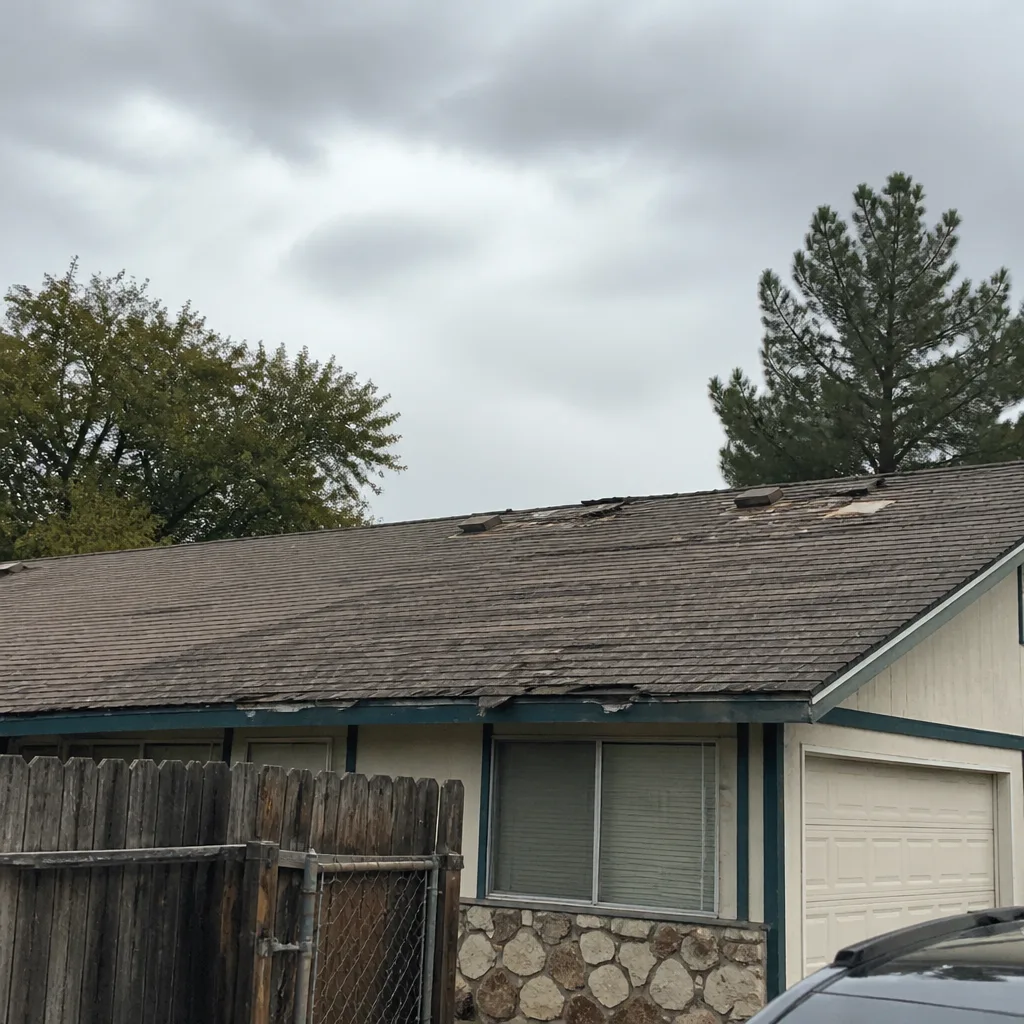 Before
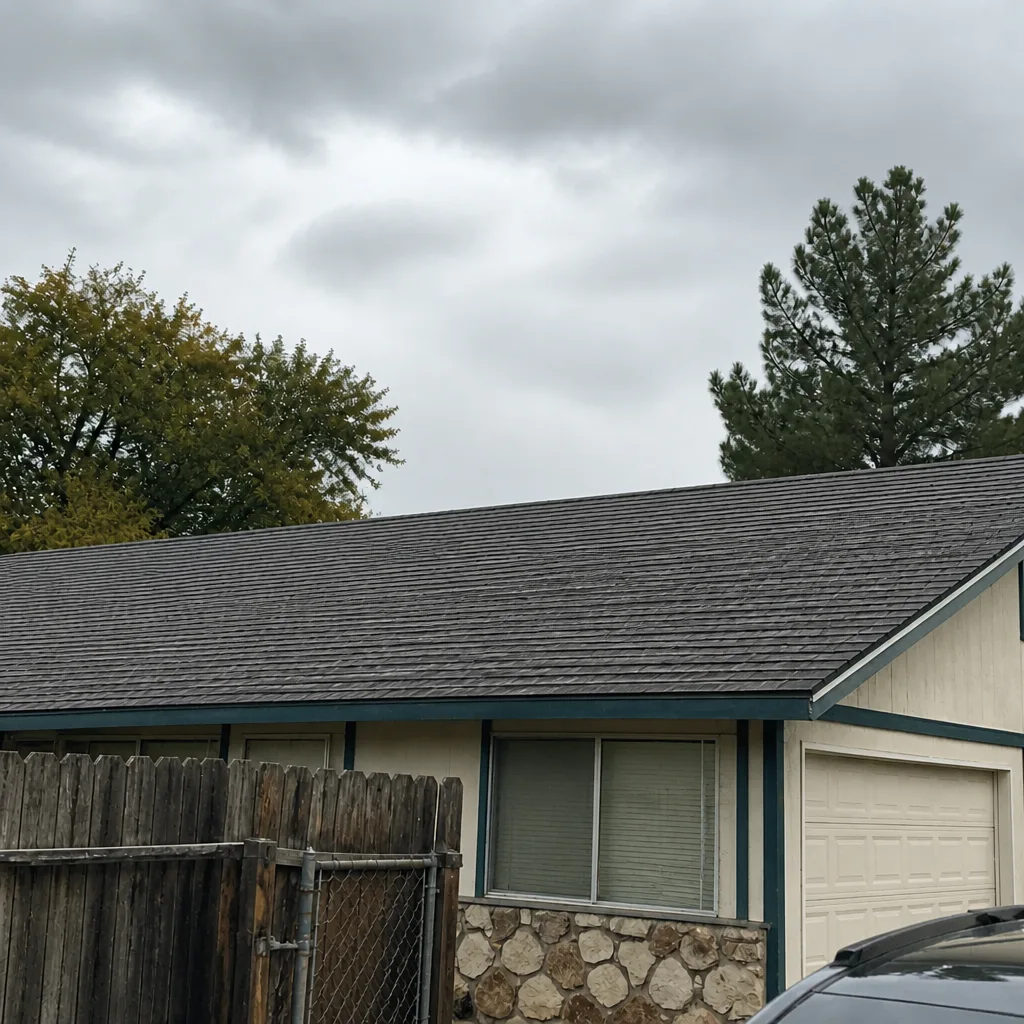 After
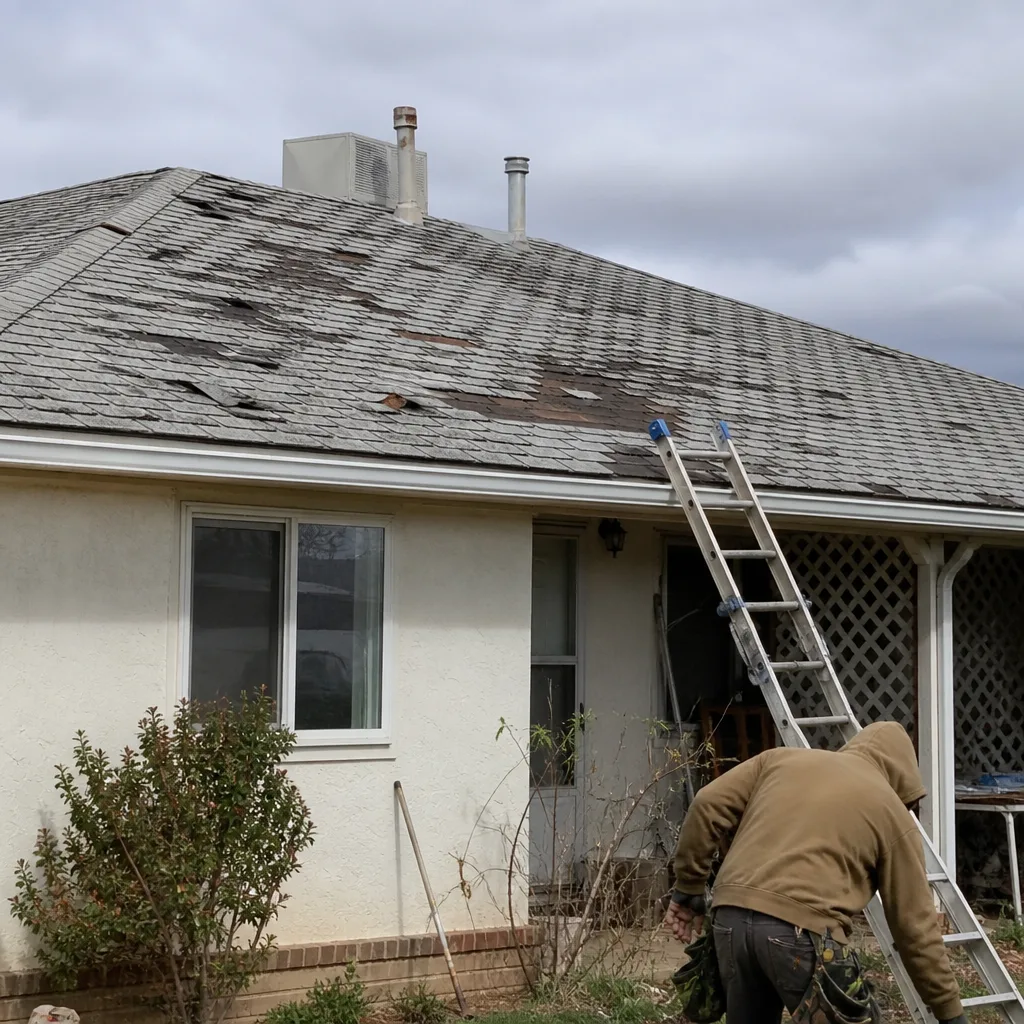 Before
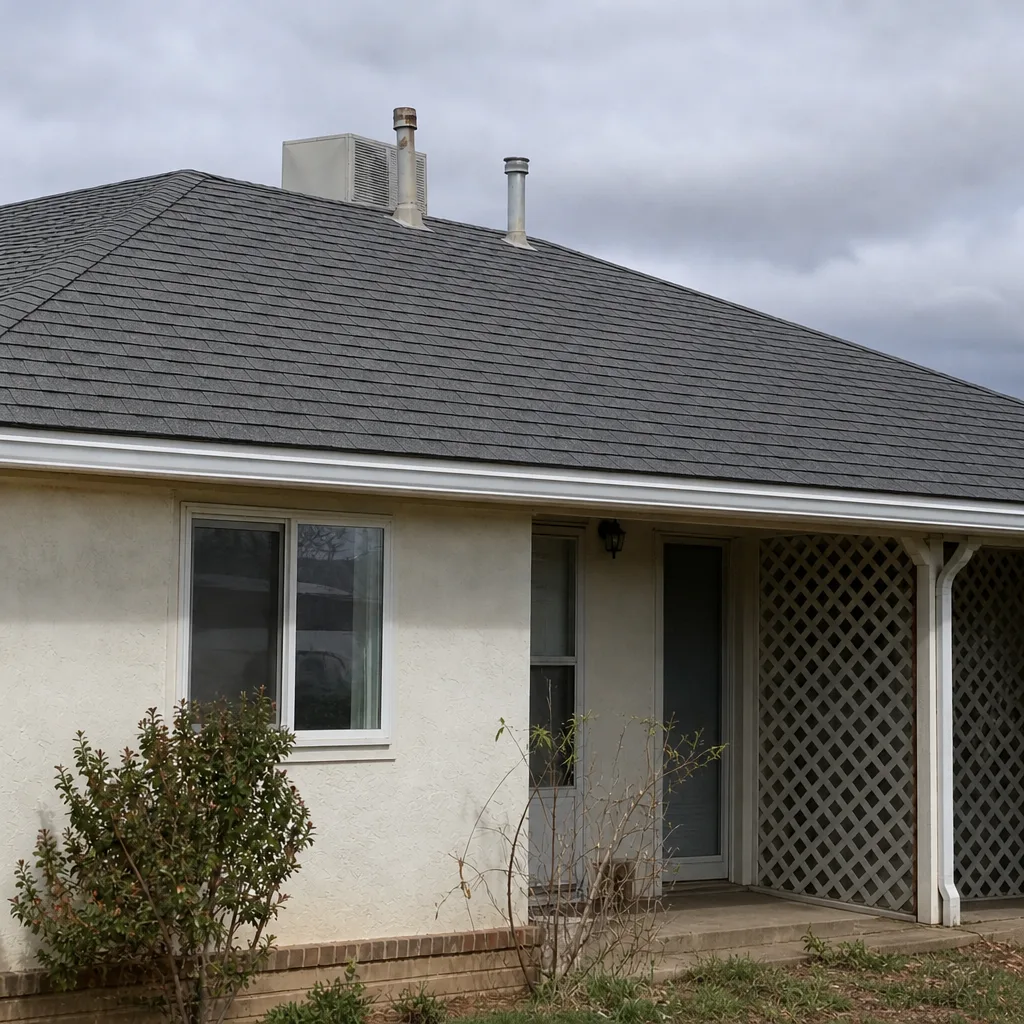 After
When to Call a Professional
Some roof issues are genuinely do-it-yourself. A missing shingle at the edge of a low sloped roof, a loose gutter, a plugged downspout. But most of what sits underneath the shingles – deck condition, underlayment, flashing at walls and valleys, ventilation adequacy – can’t be judged safely from the ground, and working on a roof is dangerous. Falls from height are a leading cause of serious injury in home repair. If your roof shows curling shingles, granule accumulation in the gutters, a leak that keeps coming back after a patch, or visible sagging, it’s time for a trained professional. If you’re not sure where your roof sits on its service life, an inspection settles it. Enterprise Roofer offers free estimates in Enterprise – call (866) 834-8493 to schedule. We answer 24/7. Fast dispatch from 7am to 7pm, Sunday through Friday.
Frequently Asked Questions
Most Enterprise roof replacements land in the low-to-mid five figures for an average single-family home, with the exact number set by material tier, layer count, roofline complexity, and required code work. The written estimate from a line-item proposal is the only price that matters. Call (866) 834-8493 for an exact quote – estimates are free.
Tear-off runs higher here because disposal is charged by weight at the landfill and Clark County tipping fees sit above the national average. Summer heat also limits daily crew productivity, which puts labor cost above what a cooler-climate calculator would suggest. Total price is set per job by the written estimate. Call (866) 834-8493 for an itemized quote.
Usually yes, because the longer rated service life of an architectural product holds up better under high UV. The per-square cost is higher, but the cost-per-year-of-service is often better than 3-tab. We work with CertainTeed, Owens Corning, IKO, and other major manufacturers, so the recommendation follows your roof’s needs. Call (866) 834-8493 for an estimate.
An inspection documents what your roof actually needs – deck condition, underlayment, flashing, ventilation – and an estimate is the price to do that work. They’re different services. We offer standalone inspections so you know the condition of your roof without committing to a replacement conversation. Call (866) 834-8493 to schedule.
Yes, and often it is. Isolated leaks, localized flashing failures, and a few wind-lifted shingles are repair jobs on a roof that’s otherwise sound. We quote repair as a legitimate outcome, not as a downgrade. Call (866) 834-8493 for a free estimate.
Most single-family home replacements take a few days once materials are staged, with larger or more complex roofs running longer. Tear-off, deck repair, and inspection scheduling all affect the timeline. The written estimate sets the scope. Call (866) 834-8493 to schedule an estimate.
The Bottom Line
The real leverage in a roofing budget sits in three places: the tear-off scope, the material tier, and the code upgrade items. Get those quoted line by line and the rest of the proposal becomes easy to compare. National averages miss the Clark County cost structure, so use local, itemized bids as your baseline. Repair is often a legitimate answer, and replacement is sometimes the right call – an honest inspection tells you which. Enterprise Roofer handles inspection, repair, and replacement as a single scope, with materials from seven leading brands. One company for all three – no hand-offs. Call (866) 834-8493 for your free estimate. We answer 24/7. Fast dispatch from 7am to 7pm, Sunday through Friday.
Written by the team at Enterprise Roofer.