
Last updated November 16, 2026
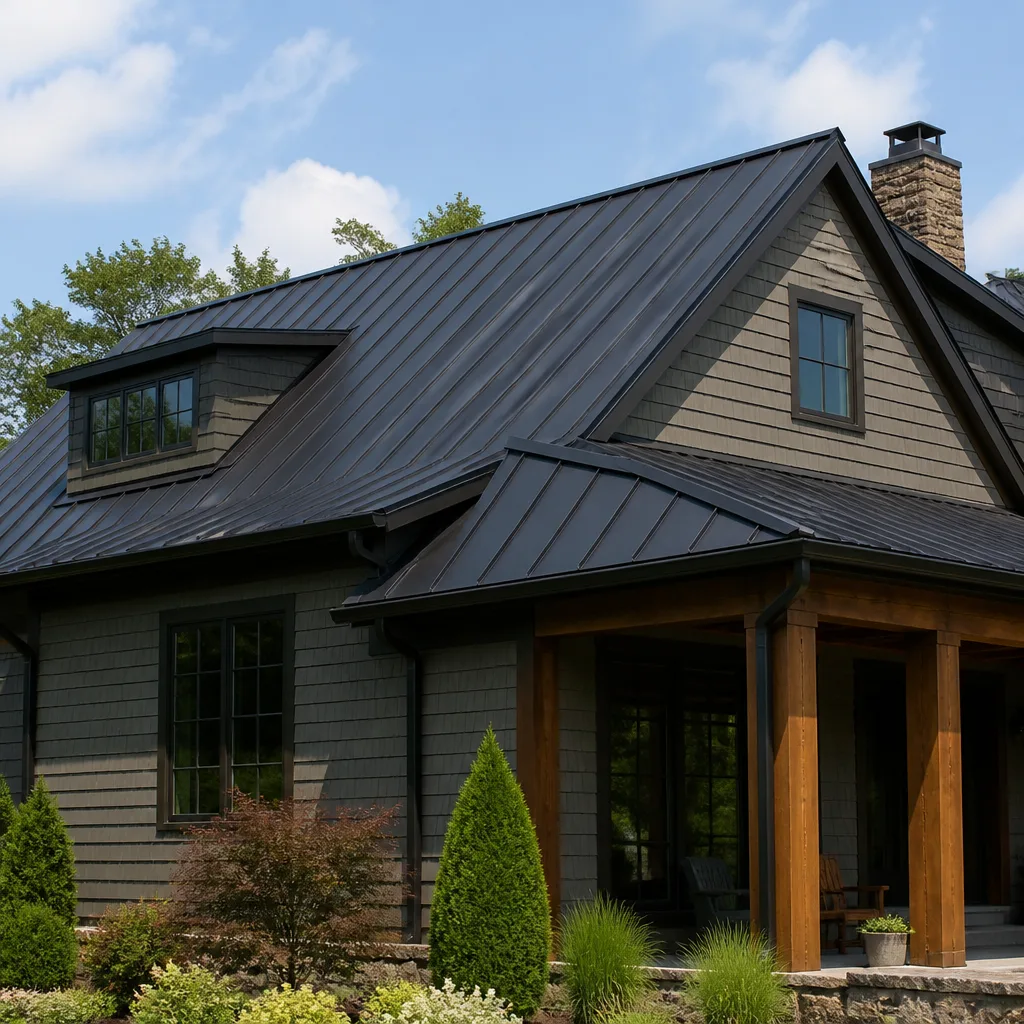 Metal roofing
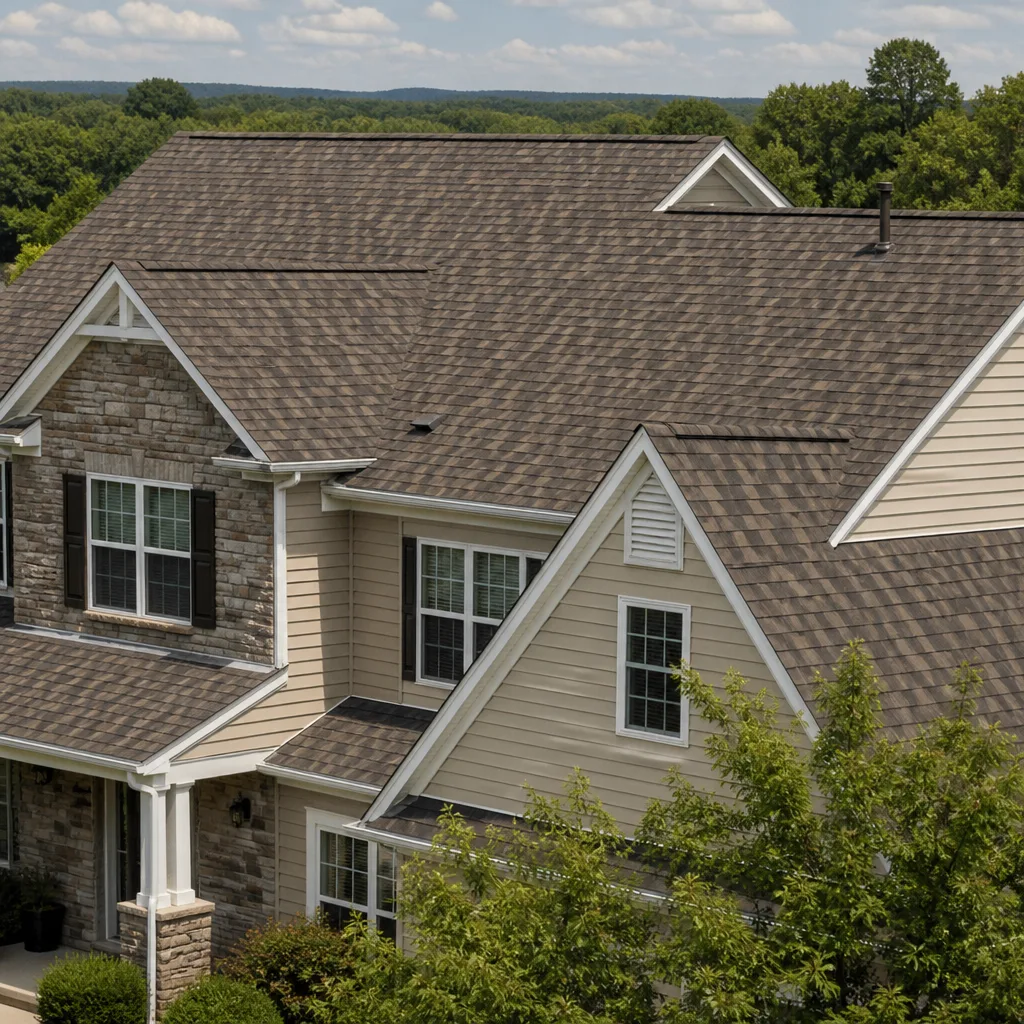
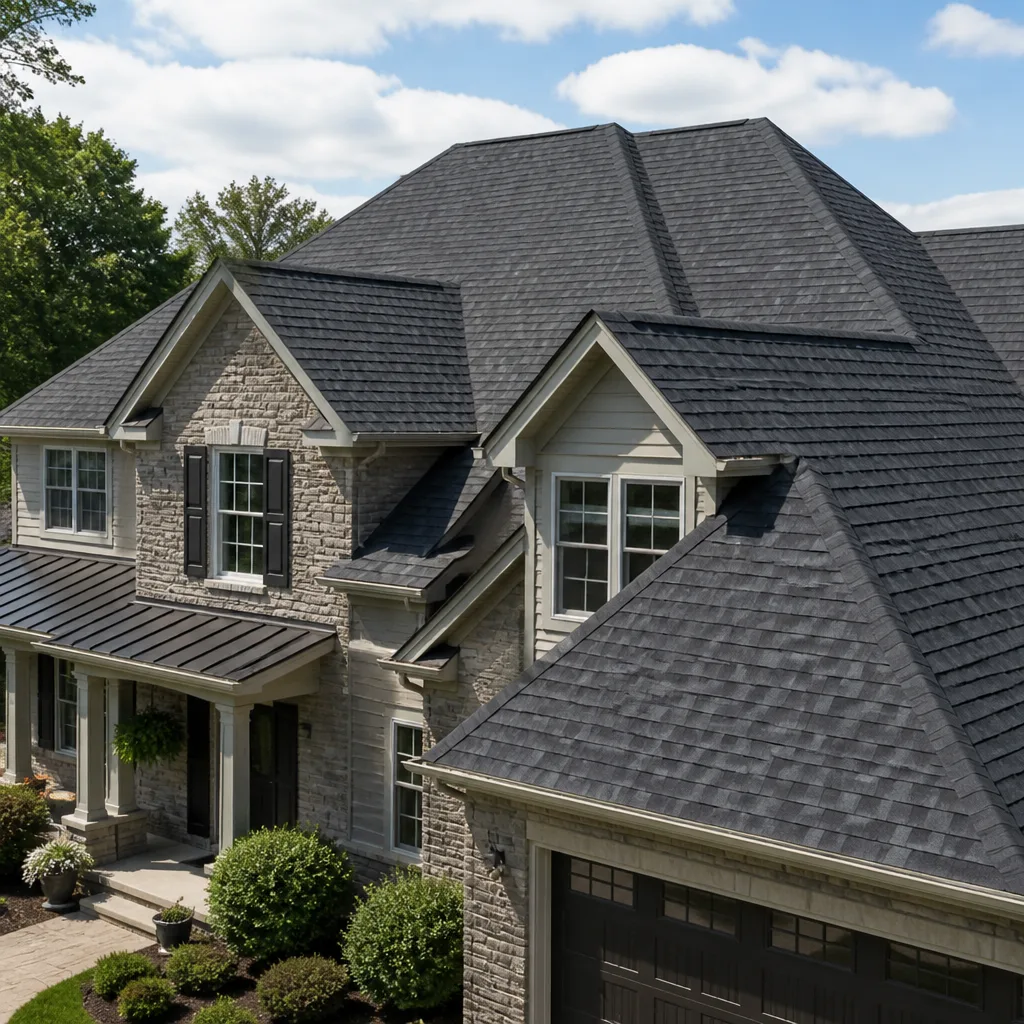 Architectural shingles
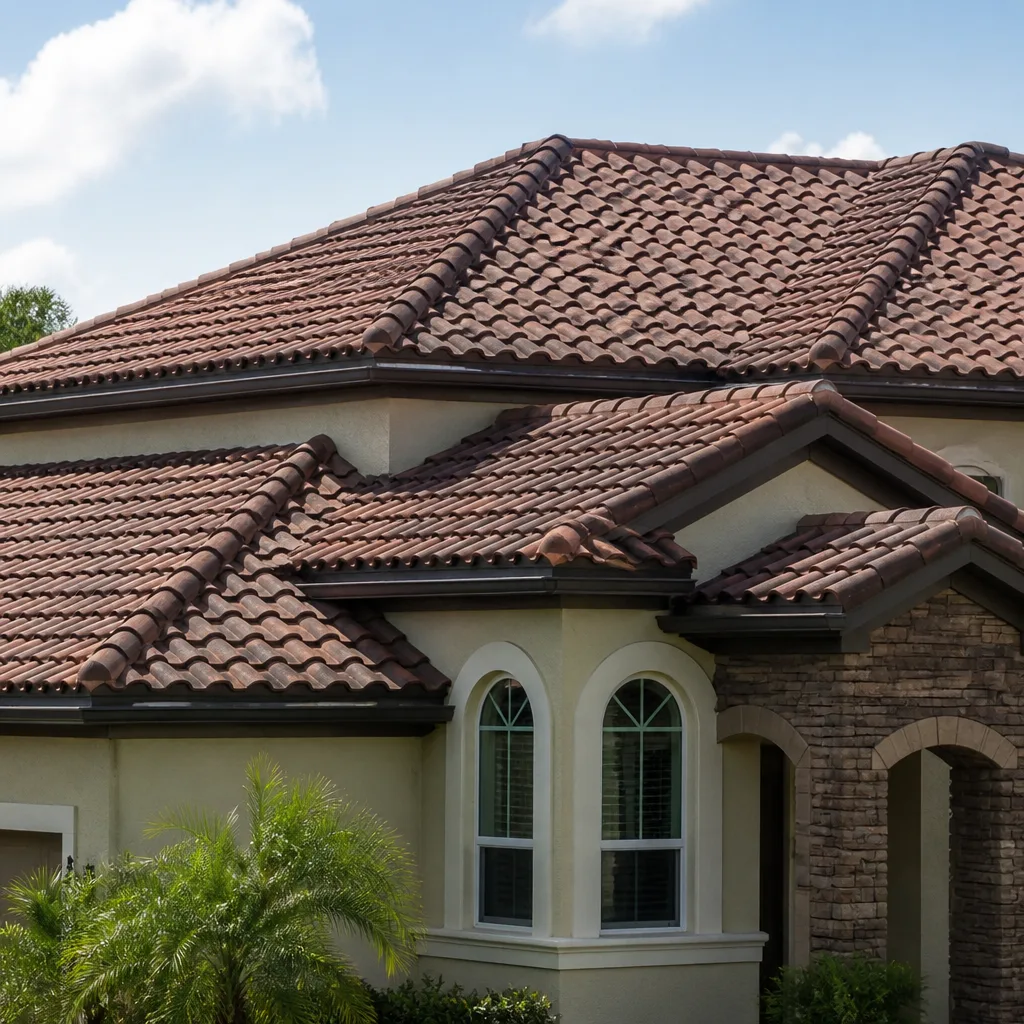 Tile roofing
 GAF
 Owens Corning
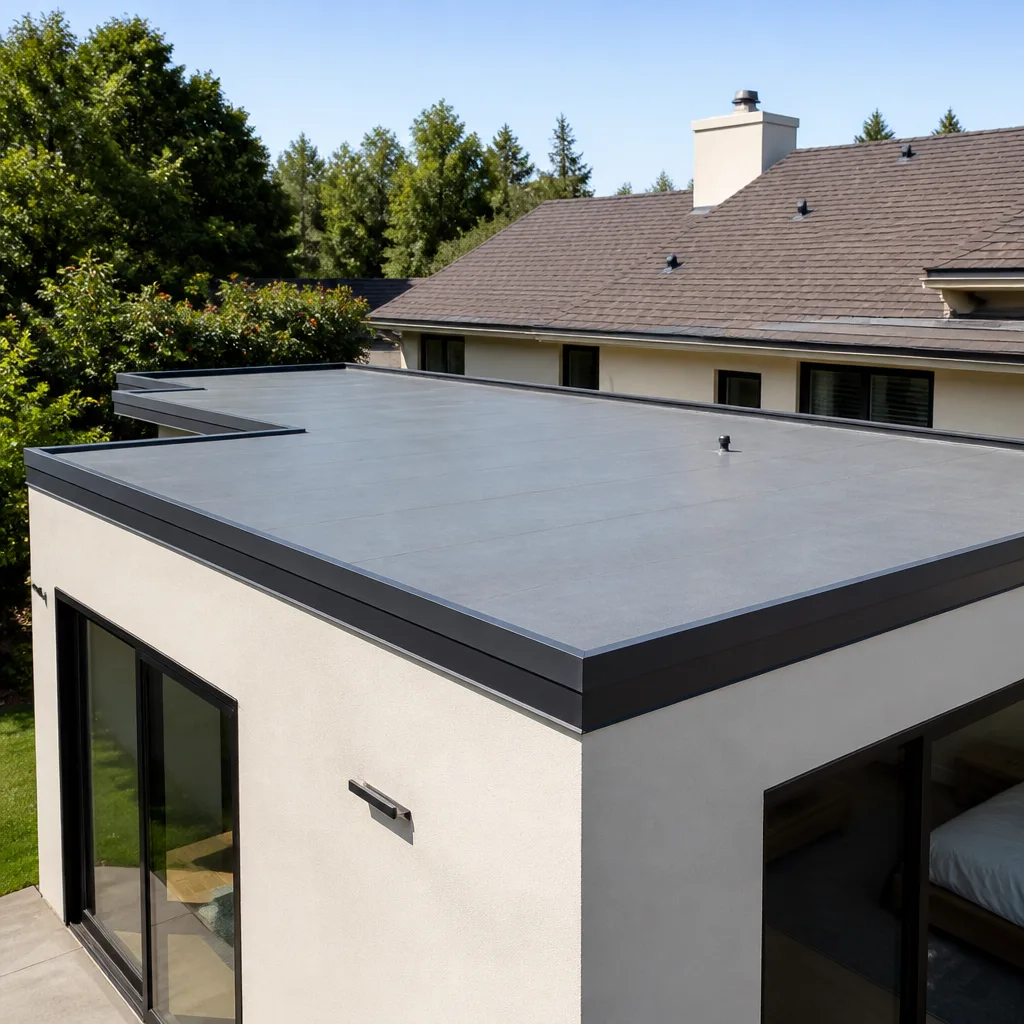 Flat & low-slope
Free roof inspection with deck photos before we talk money - GAF and Owens Corning certified installation
Choosing the Right Roofing Brand: A Buyer’s Guide for Enterprise
Every major shingle manufacturer publishes a wind rating and a UV stability claim, and those numbers look close enough on paper that most homeowners assume the brands are basically interchangeable. Here’s the problem: those ratings come from standardized lab testing, and a roof in Enterprise spends its life under conditions a lab doesn’t reproduce. Sustained heat load widens the real-world performance gap between a mid-tier and a premium shingle far beyond what the spec sheets suggest. This guide explains which brand differences actually matter in the Mojave Desert and which ones you’re paying for without benefiting from. We’ll cover warranty structures, certification tiers, performance thresholds, and how to match material to your specific roof.
Quick Answer
The right roofing brand for an Enterprise home is the one whose product line matches your roof’s slope, sun exposure, and remaining deck life at a price you can justify, not the one with the flashiest marketing. In our experience across GAF, CertainTeed, Owens Corning, and four other major manufacturers, the biggest differences in this climate come down to UV-stable granules, heat resistance, and warranty structure, not wind-tunnel bragging rights. A high-UV desert roof rewards a mid-to-premium shingle from a strong brand far more than it rewards the absolute top of any single lineup.
Styles & brands we work with
- Architectural shingles
- Metal roofing
- Tile roofing
- GAF
- Owens Corning
- Flat & low-slope
Table of Contents
- Do roofing brand differences actually matter in Enterprise?
- Which brand features matter in a high-UV desert climate?
- How do manufacturer warranties actually differ?
- What do manufacturer certification tiers really mean?
- Where are the real quality thresholds in a product lineup?
- How to match brand and product to your roof’s conditions
- Why multi-brand fluency beats single-brand loyalty
- A step-by-step way to evaluate any brand
Do Roofing Brand Differences Actually Matter in Enterprise?
Yes, but not in the way the brochures suggest. Brand differences matter most at the extremes of the product line and least in the middle, where most manufacturers converge on similar construction. What separates brands in Enterprise is how their materials hold up under relentless sun and heat cycling, and how their warranties behave when something goes wrong.
A roof in Enterprise faces a specific set of stressors. Summer surface temperatures on an asphalt shingle roof climb well above ambient air temperature, and that heat load accelerates the aging of the asphalt itself. Granule loss is the visible symptom, but the underlying issue is the oxidation of the shingle’s core. Brands engineer for this differently. Some invest more in granule adhesion and UV-resistant coatings; others focus on tear strength and wind uplift, qualities that matter a great deal in hurricane zones and less in a desert valley.
This is the central insight of this guide: not every performance feature is priced for your climate. When you compare GAF to Owens Corning to CertainTeed, you’re often comparing engineering priorities, not engineering quality. The brand that prioritized freeze-thaw durability is not necessarily the brand that prioritized heat aging, and in Enterprise you should weight the second far more heavily than the first.
What brand differences do not excuse is a poor installation. A premium shingle from any of the major manufacturers will underperform a mid-tier shingle installed correctly, with proper underlayment and ventilation. Brand choice is the second decision. Roof condition and installation quality are the first. That’s why a full-scope inspection comes before any material conversation at Enterprise Roofer.
Which Brand Features Matter in a High-UV Desert Climate?
The features that matter in Enterprise are the ones tied to sun and heat. The features engineered for moisture, freeze-thaw cycling, and prolonged damp are largely irrelevant here, and you shouldn’t pay a premium for them.
Features worth paying for in Enterprise
- UV-stable granule systems. The granule layer is your shingle’s first defense against the sun. Brands that use copper-infused or ceramic-coated granules designed for high solar exposure give your roof more usable life in the desert.
- Heat-resistant asphalt formulations. Some manufacturers blend polymers specifically to resist the softening and oxidation that come with sustained heat. This is where premium lines earn part of their premium.
- Reflective or “cool roof” options. Lighter-colored shingles and reflective granule technologies lower attic heat gain. In Enterprise, this can translate into a more comfortable home and less strain on your cooling system.
- Strong tear and impact resistance. Desert roofs see wind-driven debris and thermal expansion stress. A shingle with solid tear strength handles both better than one optimized for a different threat.
Features you’re paying for but not benefiting from
- Freeze-thaw durability claims. Enterprise doesn’t cycle below freezing often enough to make this a meaningful differentiator. It’s a legitimate feature in mountain climates and mostly theoretical here.
- Algae resistance. Algae streaking is a moisture-and-humidity problem. It shows up in the Southeast and the Pacific Northwest far more than in the Mojave.
- Extreme cold flexibility ratings. Useful where shingles are installed in winter cold. Less relevant to a valley where the installation window is warm.
The takeaway is simple: read the spec sheet through a desert filter. If a feature solves a problem your roof doesn’t have, it shouldn’t drive your decision. We’d rather explain that plainly than let a homeowner buy mountain-grade engineering for a desert roof.
How Do Manufacturer Warranties Actually Differ?
Manufacturer warranties are not one product, they’re three layered products, and the distinction matters enormously at claim time. The three layers are material warranties, workmanship warranties, and system warranties. Understanding which covers what is the single most valuable thing you can learn before signing a contract in Enterprise.
Material-only warranties
A material warranty covers the shingles themselves and nothing else. If the shingle fails, the manufacturer replaces the shingle. It does not cover the labor to remove the old roof, dispose of it, or install the new one. On a typical claim, labor is the larger cost, which is why a “50-year material warranty” can sound generous and pay out far less than a homeowner expects. It also almost never covers the underlayment unless it’s part of a system.
Workmanship warranties
A workmanship warranty covers the installation itself: flashing errors, nail placement, improper sealing, the things that fail because of how the roof was put together rather than how the shingle was made. This is the contractor’s warranty, not the manufacturer’s, and its terms vary widely by company. This is the warranty you should scrutinize most carefully, and it’s the one that stays with the contractor rather than the shingle.
System warranties
A system warranty is the strongest of the three. It covers the shingle plus the underlayment, starter strips, ridge caps, and sometimes ventilation components as one integrated package. It’s only available when every component in the system comes from the same manufacturer and is installed by a contractor with the right certification tier. This is where multi-brand fluency matters: a contractor aligned to one brand’s ecosystem can offer that brand’s system warranty, while a contractor fluent across several can offer you the system warranty from whichever manufacturer fits your roof and budget.
What these differences mean in a claim
- Read the labor coverage first. A warranty can be long on paper and narrow on payout. Ask explicitly whether labor is covered.
- Ask who honors the workmanship side. If the contractor who installed it is gone, a workmanship warranty is only as good as the company that stands behind it.
- Ask whether the roof is registered. Many manufacturer warranties require registration after installation and limit transferability to a second owner.
- Ask whether the system is complete. A material warranty on shingles installed over a non-matching underlayment may not pay the way you expect.
We walk Enterprise homeowners through each layer before a contract is signed, because the warranty question is a pricing question. Free estimates include a written line-item quote, and the written estimate sets the final price.
What Do Manufacturer Certification Tiers Really Mean?
Manufacturer certification tiers are contractor programs, not shingle grades. They describe what a contractor has demonstrated to the manufacturer, what training and insurance requirements they meet, and what warranty options they can unlock. They tell you less about the shingles and more about the contractor standing behind them.
What these programs typically require
Programs like GAF Master Elite, CertainTeed SELECT ShingleMaster, and Owens Corning Preferred each have their own eligibility rules, but the common threads are: a track record of installations, proof of licensing and insurance, and ongoing training. The higher the tier, the more likely the contractor can offer the manufacturer’s strongest system warranty. Certification also usually means the contractor has committed to installation standards the manufacturer is willing to back.
Why multi-brand certification changes your options
A contractor aligned to one brand’s ecosystem can only offer that brand’s system warranty. That’s not automatically a problem, but it does mean the recommendation you receive is filtered through one manufacturer’s product catalog. A contractor with experience across several brands, including multiple certification tiers, can tell you honestly whether your roof is better served by GAF’s system or CertainTeed’s or Owens Corning’s, and then actually deliver the matching warranty. That’s the difference between a material recommendation driven by your roof’s needs and one driven by which manufacturer rep last visited.
To be clear about what we claim: Enterprise Roofer is experienced with seven leading roofing brands, and we don’t overstate our certification status. Ask any contractor you interview for the specific certifications they hold and the warranty tiers those certifications unlock. That’s a fair question, and any contractor worth hiring should answer it plainly.
Where Are the Real Quality Thresholds in a Product Lineup?
The honest answer is that meaningful quality thresholds sit at the bottom and the top of most product lineups, and the middle is where you’ll find the best value for an Enterprise roof. Paying more in the middle usually buys a better warranty rather than a meaningfully better roof. Paying more at the top can genuinely buy better materials, but only if your roof’s conditions justify them.
A practical way to think about the tiers
| Tier | What you typically get | Best fit in Enterprise |
|---|---|---|
| Entry-level 3-tab or base architectural | Basic wind and impact ratings, shorter material warranty, thinner profile | Budget-driven repairs and outbuildings |
| Mid-tier architectural | Stronger granules, longer material warranty, better tear strength, wider color range | Most residential roofs in the valley |
| Premium architectural or designer | Enhanced UV resistance, thicker profile, longest material warranties, best system warranty eligibility | Long-term homes, high-visibility roofs, steep or complex geometry |
Moving from entry to mid-tier often delivers a real improvement in how long the roof will last in the desert. Moving from mid-tier to premium delivers a real improvement in warranty coverage and in appearance, and a smaller improvement in actual durability. That’s not a knock on premium shingles; it’s just an honest read of where the value sits. The premium tier makes the most sense when you plan to stay in the home long enough to use the warranty, or when the roof’s design makes it a visible feature worth investing in.
The threshold most buyers miss
The most expensive mistake isn’t buying the wrong brand. It’s buying a premium shingle and installing it over a failing deck, inadequate underlayment, or a ventilation system that traps heat. In a Mojave climate, ventilation problems accelerate shingle aging, and no manufacturer’s premium line can outrun a hot, poorly vented attic. Match the material to the whole roof, not just the shingle.
How to Match Brand and Product to Your Roof’s Conditions
Brand and product selection should follow the roof’s actual conditions, not the color brochure. Slope, sun exposure, existing ventilation, and remaining deck life are the four variables that should drive material choice before aesthetics enter the conversation.
- Slope. Low-slope sections may call for a different product class entirely, and some brands offer better options than others at the low-slope end. Steep pitches handle standard architectural shingles well but increase installation labor.
- Exposure orientation. South- and west-facing planes take the most heat in Enterprise. If your roof has a large west-facing plane, prioritize UV resistance and lighter color in that area, and consider whether a premium line is worth it there specifically.
- Existing ventilation. A well-vented attic lets shingles run cooler and last longer. A poorly vented one shortens the life of any shingle, brand regardless. Ventilation upgrades should be part of any replacement conversation.
- Remaining deck life. If the decking has soft spots or previous moisture issues, the deck gets addressed first. An inspection will tell you whether roof repair is the right answer now or whether replacement makes more sense.
- Budget and timeline. Decide how long you intend to stay in the home. That determines whether warranty length is worth paying for.
Boral, for example, makes tile products that some Enterprise homeowners prefer for certain architectural styles and long-term performance, while GAF and CertainTeed offer strong architectural shingle lines. The point isn’t to pick a brand in the abstract. It’s to pick the product that fits your roof’s numbers. Our technicians have up to 9 years of experience reading those numbers on desert roofs, and an inspection is the honest way to establish them.
Why Multi-Brand Fluency Beats Single-Brand Loyalty
A contractor who works with one brand is not doing anything wrong, but their recommendation is constrained by what they can install and warranty. A contractor fluent across several brands can match the product to the roof rather than the roof to the product. That difference shows up in the estimate, in the warranty options you’re offered, and in the honesty of the diagnosis.
What multi-brand fluency looks like in practice
- Recommendations driven by conditions. If the roof wants a mid-tier architectural shingle with strong UV granules, that’s the recommendation, even if a different brand’s premium line would earn the contractor a better margin.
- Warranty optionality. You can be offered the strongest available system warranty from whichever of the manufacturers fits your roof, rather than only the one your contractor is aligned with.
- Unbiased inspections. When the company offering the inspection is also the one that would install the replacement, the inspection has to be structured so that repair is a legitimate outcome, not a sales funnel.
- Supply flexibility. Material availability changes, and a multi-brand contractor has more ways to keep a project on schedule.
That’s the approach we take at Enterprise Roofer: inspection, repair, and replacement under one roof, with material options from seven manufacturers, so the conversation is about your roof rather than one brand’s catalog. When replacement does become the right call, you’ll find the full scope of the service on our roof replacement page. If you’re local to the valley and want a baseline before any of that, our Enterprise service area page covers the basics.
A Step-by-Step Way to Evaluate Any Brand
Here’s a practical process you can run before you commit to a brand, a product line, or a contractor. It keeps the decision grounded in what actually applies to your roof in Enterprise.
- Get a full inspection first. Establish the roof’s condition, deck life, and ventilation before you open a single product brochure. An inspection is a legitimate standalone service, and it should tell you whether repair or replacement is the right answer.
- Screen for desert performance. Pull the spec sheet and circle every feature tied to UV, heat, and impact. Ignore features tied to moisture, freeze-thaw, or algae unless your roof specifically needs them.
- Compare warranty layers side by side. For each brand you’re considering, write down material coverage, labor coverage, workmanship terms, and whether a system warranty is available. The brand that wins on paper often loses on labor.
- Ask about certification honestly. Ask what certifications the contractor holds and which system warranty tiers those unlock. If the answer is vague, that’s information.
- Match the tier to your plan for the home. If you’re staying long-term, pay for the warranty. If you’re not, buy the mid-tier that performs well and don’t overpay for a warranty you won’t use.
- Get the estimate in writing, line-item by line-item. Confirm the price is fixed and the written estimate sets the final price, with no change orders after work begins.
- Confirm permits and inspections. Replacement work generally requires permits, and a contractor who pulls them and passes inspection is protecting your investment and your insurance position.
Common Mistakes to Avoid
- Buying the warranty instead of the roof. A generous-sounding material warranty with no labor coverage often costs more than the upgrade is worth. Read the labor line before you compare headline numbers.
- Paying for mountain-climate features. Freeze-thaw ratings and algae resistance matter in other climates, not here. Don’t let a spec sheet sell you a solution to a problem your Enterprise roof doesn’t have.
- Choosing a brand before the inspection. Brand choice is downstream of roof condition, slope, and ventilation. Lead with the inspection, not the catalog.
- Assuming one brand is universally best. Every major manufacturer has strong and weak lines. The right product depends on which line and which roof, not just which logo is on the bundle.
- Skipping the decking question. Installing a premium shingle over failing decking shortens the life of an expensive roof. Ask what the inspection found underneath.
- Letting the sales funnel drive the diagnosis. If every inspection leads to a replacement, the inspection isn’t doing its job. Repair should be a legitimate, presented option.
- Ignoring ventilation. An under-vented attic cooks any shingle in a desert climate. Brand differences shrink when the attic is hot.
See the difference
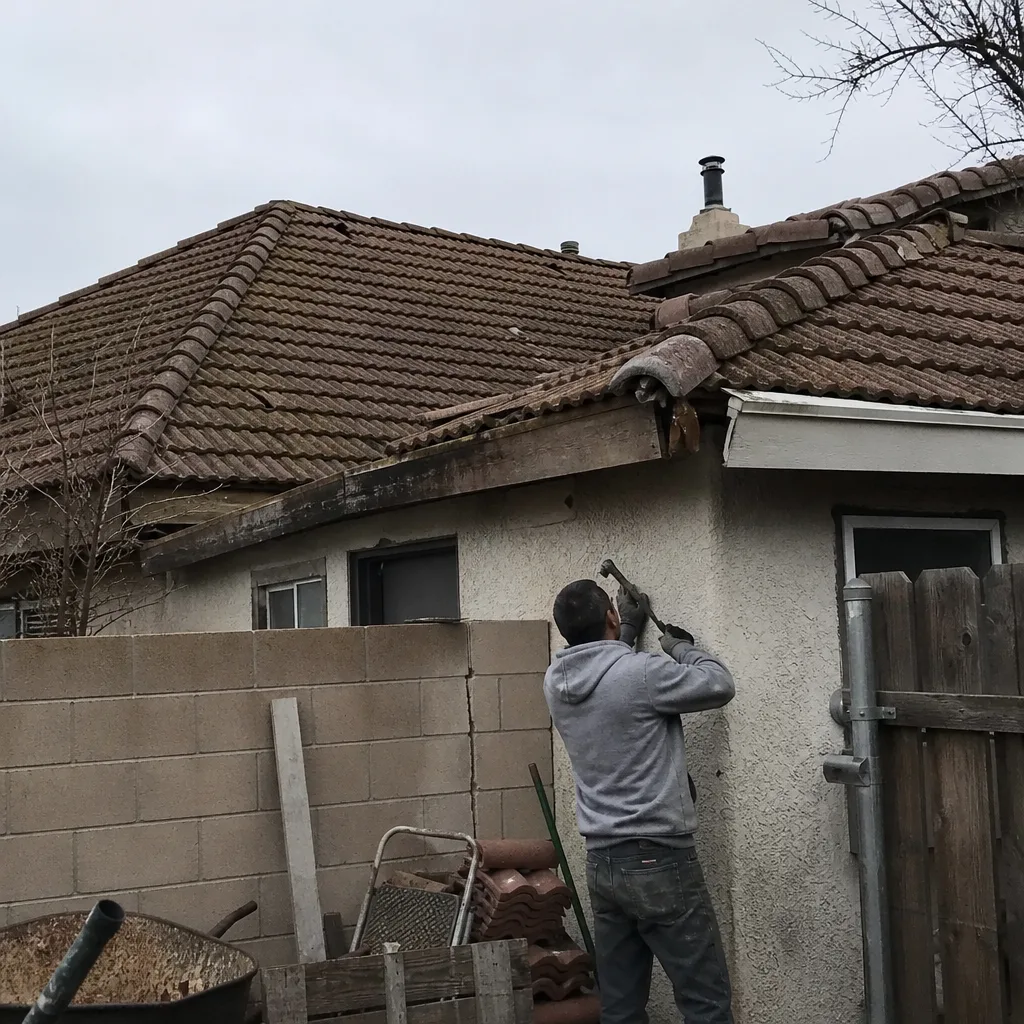 Before
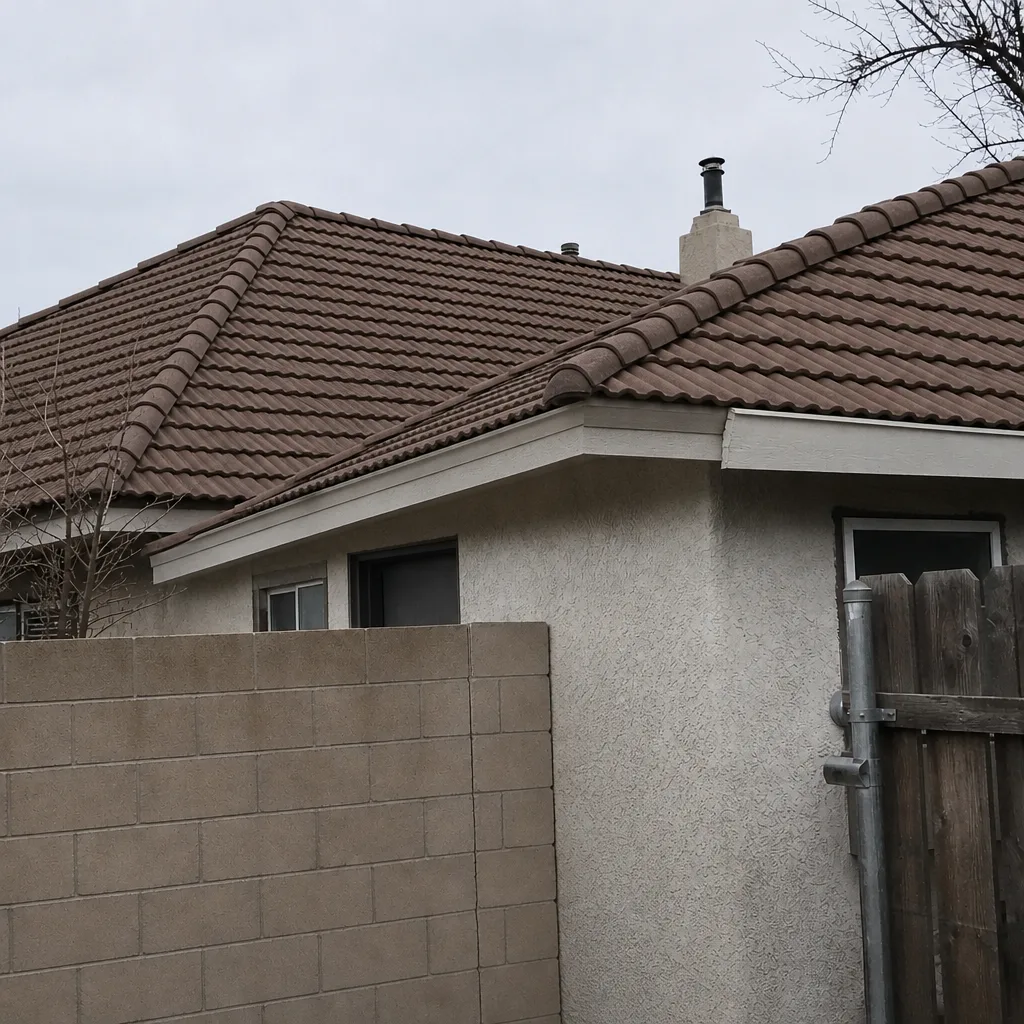 After
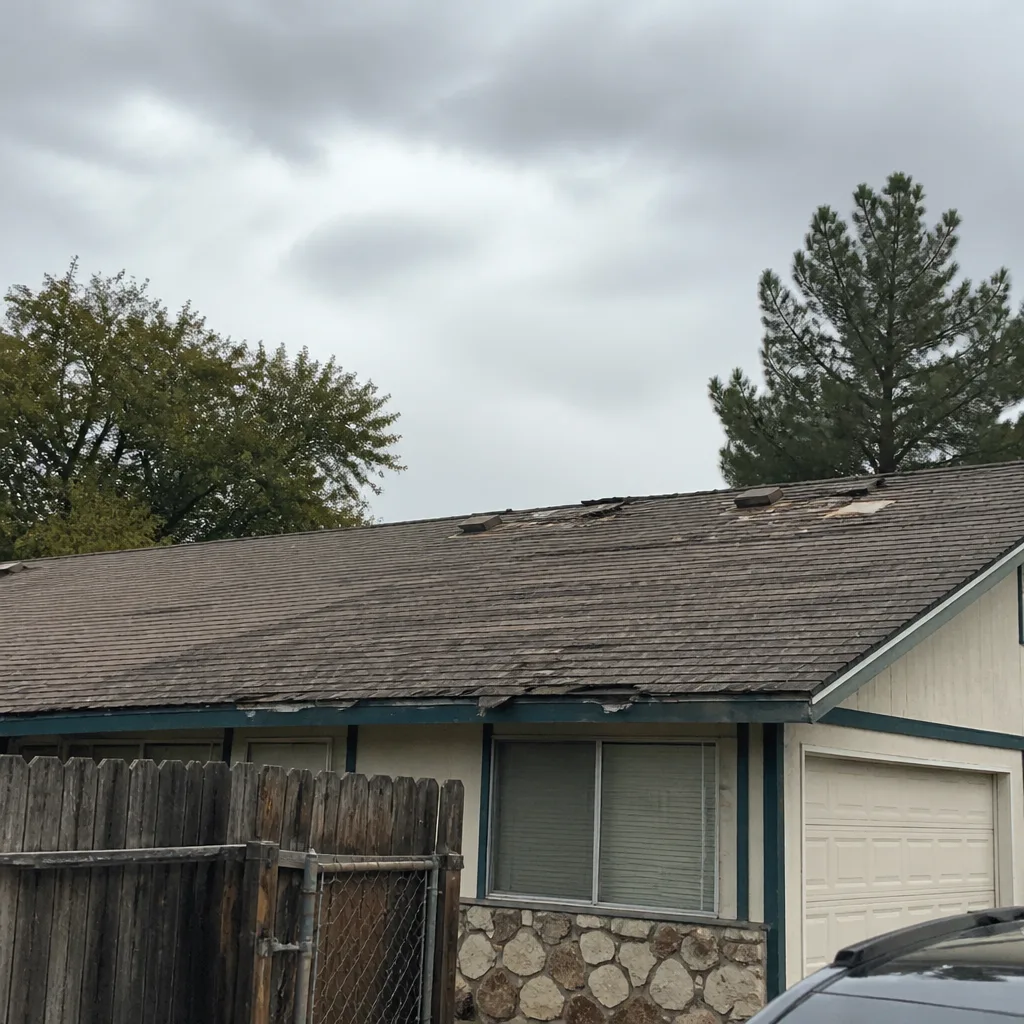 Before
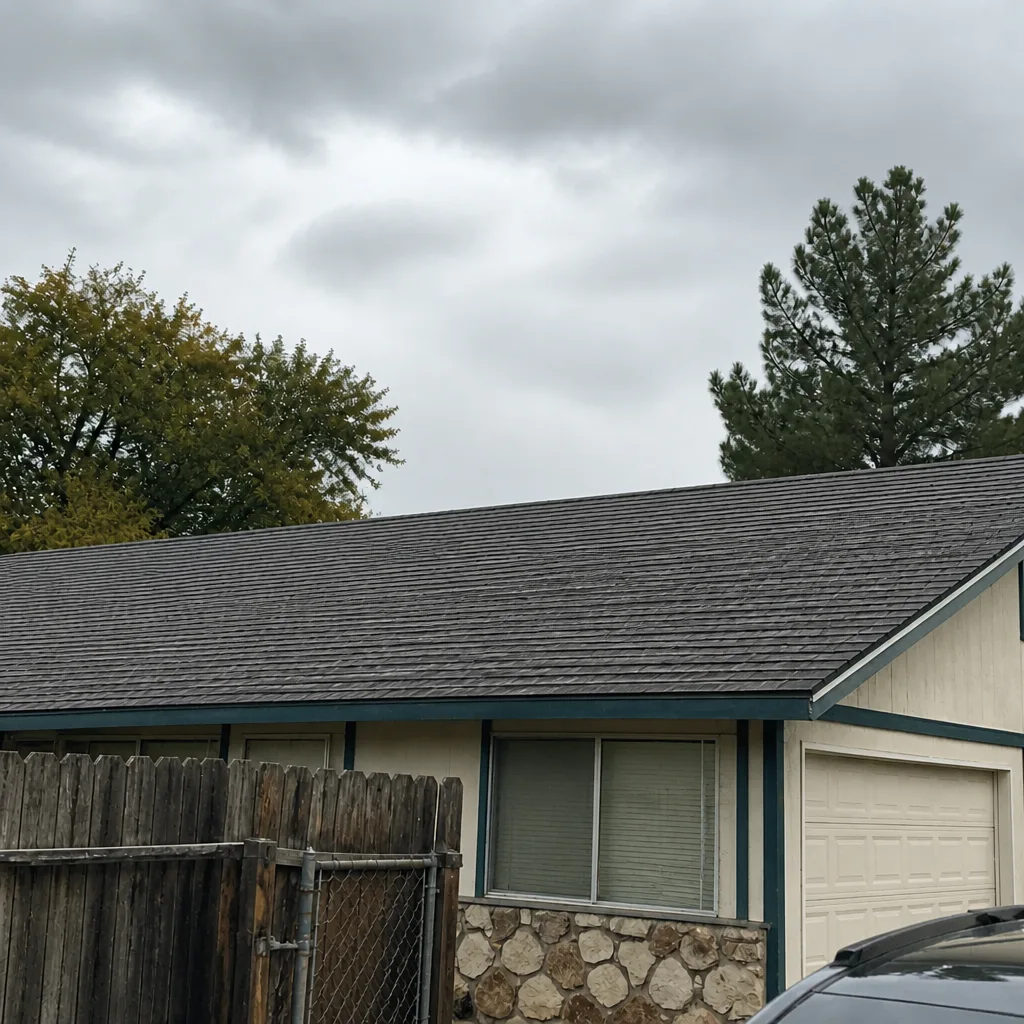 After
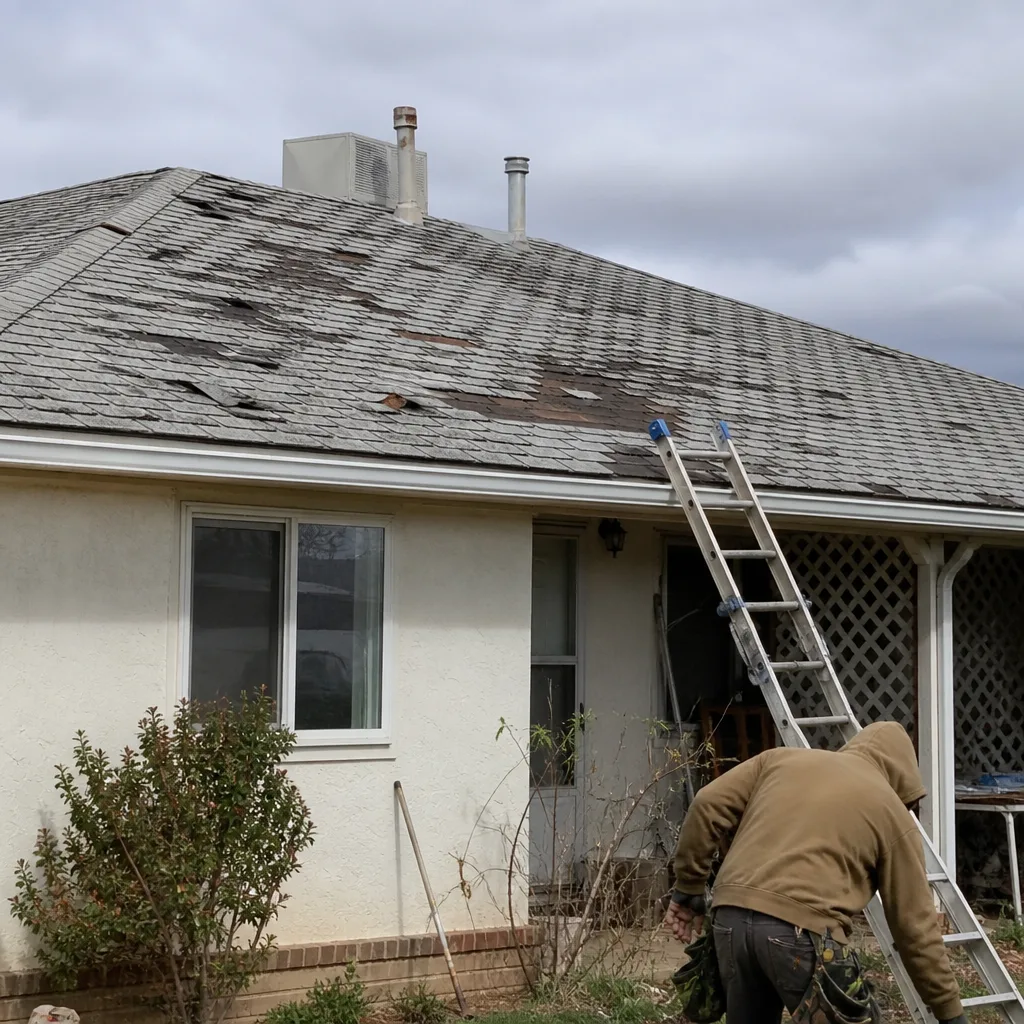 Before
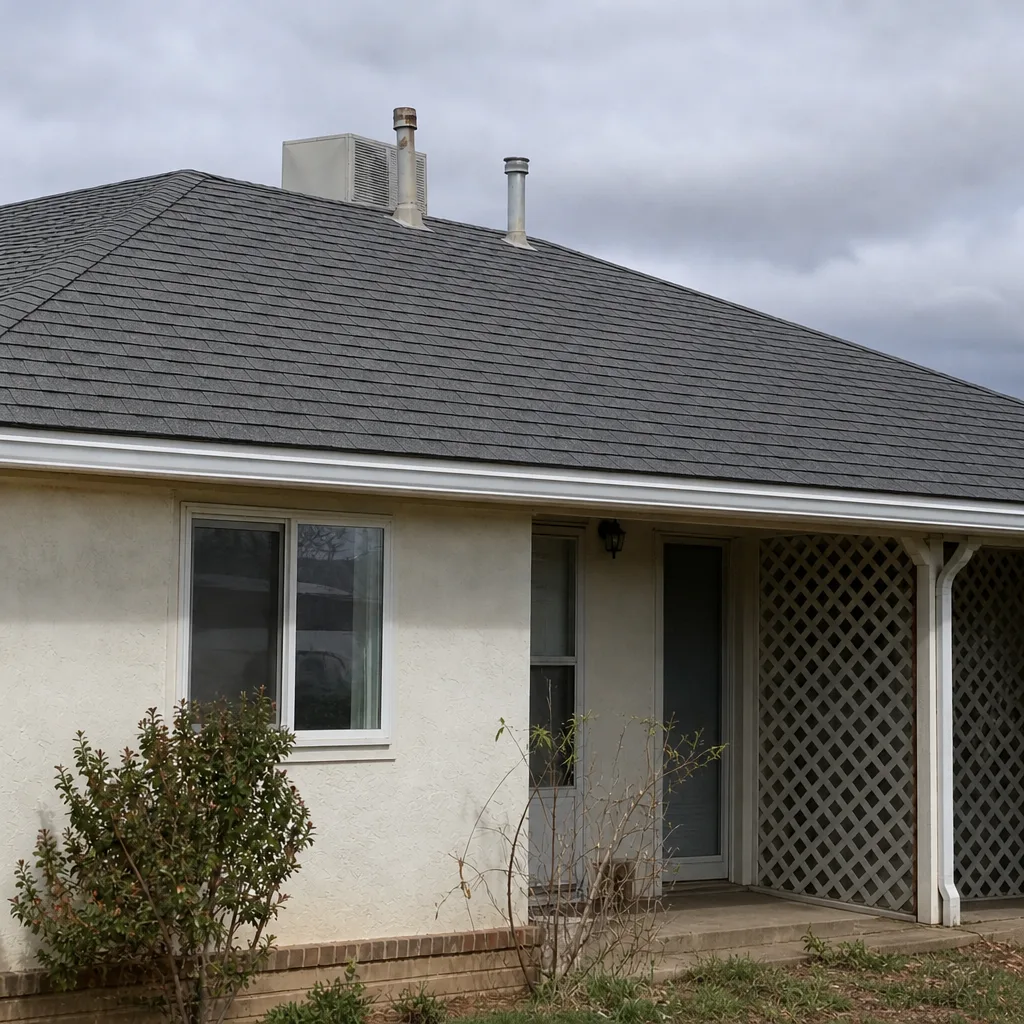 After
When to Call a Professional
Call a professional when you notice missing or lifted shingles, granule loss in the gutters, ceiling stains after a rain, or sagging roof lines. Call when the roof is more than a few years old and you’ve never had a full inspection, and call before you buy or sell a home so you have an honest read on the roof. In Enterprise, the case for a professional is strongest around heat-driven wear: desert sun ages shingles in ways that aren’t obvious from the ground, and a trained inspection catches them early. Roof work involves heights, heat, and the risk of hidden damage, and it’s not a task to take on yourself. Enterprise Roofer offers free estimates in Enterprise: call (866) 834-8493. We answer 24/7, with fast dispatch from 7am to 7pm, Sunday through Friday.
Frequently Asked Questions
There isn’t one best brand, because the best brand depends on your roof’s slope, sun exposure, ventilation, and how long you plan to stay in the home. In this climate, weight UV stability, heat resistance, and warranty structure more heavily than wind-tunnel ratings. A mid-to-premium shingle from a strong manufacturer line, installed well, will outperform a top-of-the-line shingle installed poorly. Call (866) 834-8493 for an inspection-based recommendation, since estimates are free.
Sometimes, but the improvement is uneven across the lineup. The jump from entry to mid-tier usually buys real durability in a desert climate, while the jump from mid-tier to premium more often buys longer warranties and better appearance. Premium makes the most sense if you’re staying long-term and will use the warranty. Call (866) 834-8493 to talk through which tier fits your roof, since the estimate costs nothing.
Yes, and the differences are real, though the biggest distinction is structure rather than length: material warranties cover shingles, workmanship warranties cover installation, and system warranties cover every component from one manufacturer. System warranties usually require a certified installer. Ask for all three layers side by side before you compare headline years. Call (866) 834-8493 for help understanding which warranty tiers apply to your roof.
Certification is a contractor program, not a shingle grade. Programs like GAF Master Elite and CertainTeed SELECT ShingleMaster require a track record, insurance, and training, and they typically unlock stronger system warranties. They tell you about the contractor more than the shingle. Ask any contractor what certifications they hold and what those unlock, and be wary of vague answers. Call (866) 834-8493 for a straight answer about the tiers we can offer.
Often, yes, because the recommendation isn’t constrained to one manufacturer’s catalog. A contractor fluent across several brands can match the product to the roof rather than the roof to the product, and can offer the strongest available system warranty from whichever brand fits. Bias isn’t eliminated by multi-brand status, but the recommendation is at least not inventory-driven. Call (866) 834-8493 to discuss your options across the brands we work with.
No. We fix the price with a written, line-item estimate before work begins, and the written estimate sets the final price, with no change orders. If hidden damage turns up once the roof is opened, we stop, explain the finding, and get your approval on any revised scope before continuing. Call (866) 834-8493 for a free estimate, and we’ll put the numbers in writing.
The Bottom Line
Brand selection is a real decision, but it’s the second decision after a proper inspection. In Enterprise’s high-UV, high-heat climate, the brand features that matter are UV-stable granules, heat-resistant formulations, and a warranty structure that covers labor, not just material. Freeze-thaw and algae features rarely earn their premium here. Read warranties in three layers, ask about certification honestly, and match the product tier to how long you’ll stay in the home. Work with a contractor who can offer several brands and who treats repair as a legitimate outcome. Start with a free inspection and an honest read on your roof, and the brand choice becomes much clearer. Call (866) 834-8493 to schedule your free estimate. We answer 24/7. Fast dispatch from 7am to 7pm, Sunday through Friday.
Written by the team at Enterprise Roofer.