
Last updated November 16, 2026
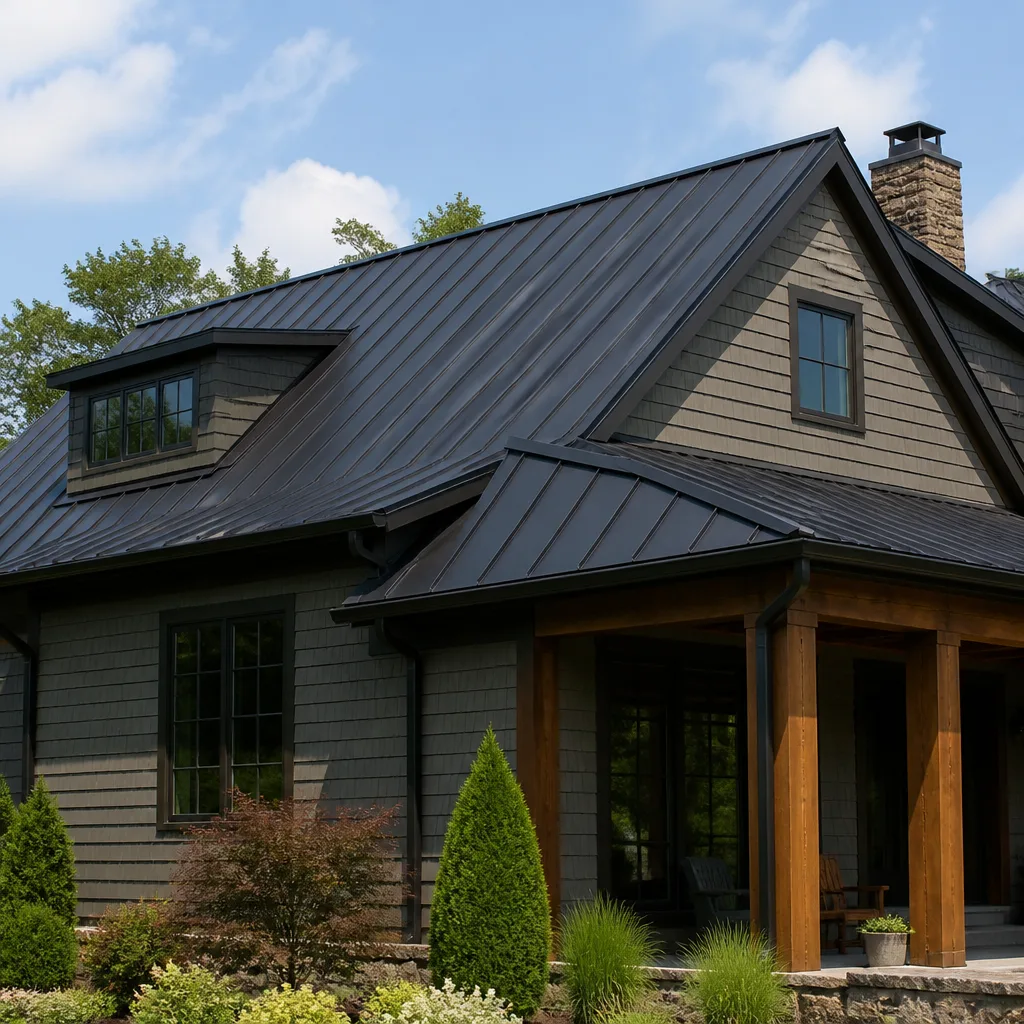 Metal roofing
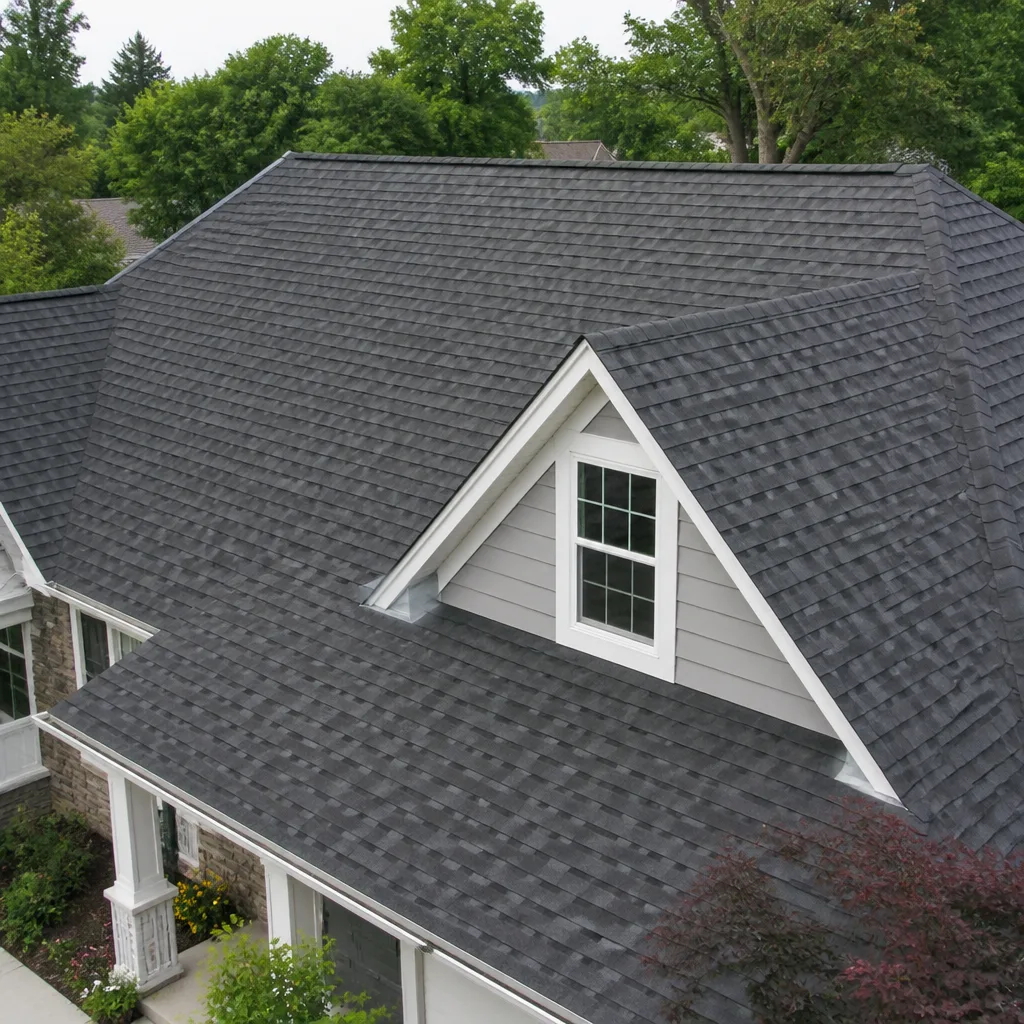
 Architectural shingles
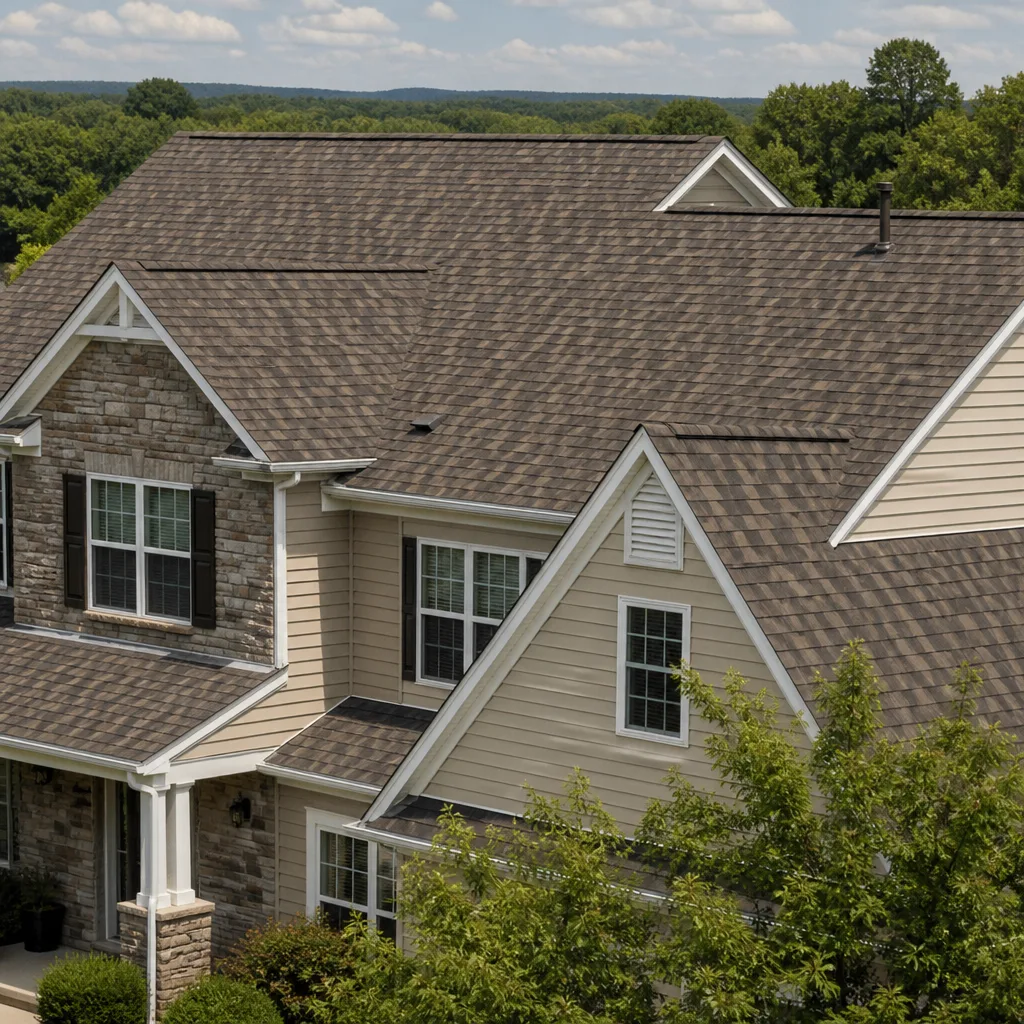
 Tile roofing
 GAF
 Owens Corning
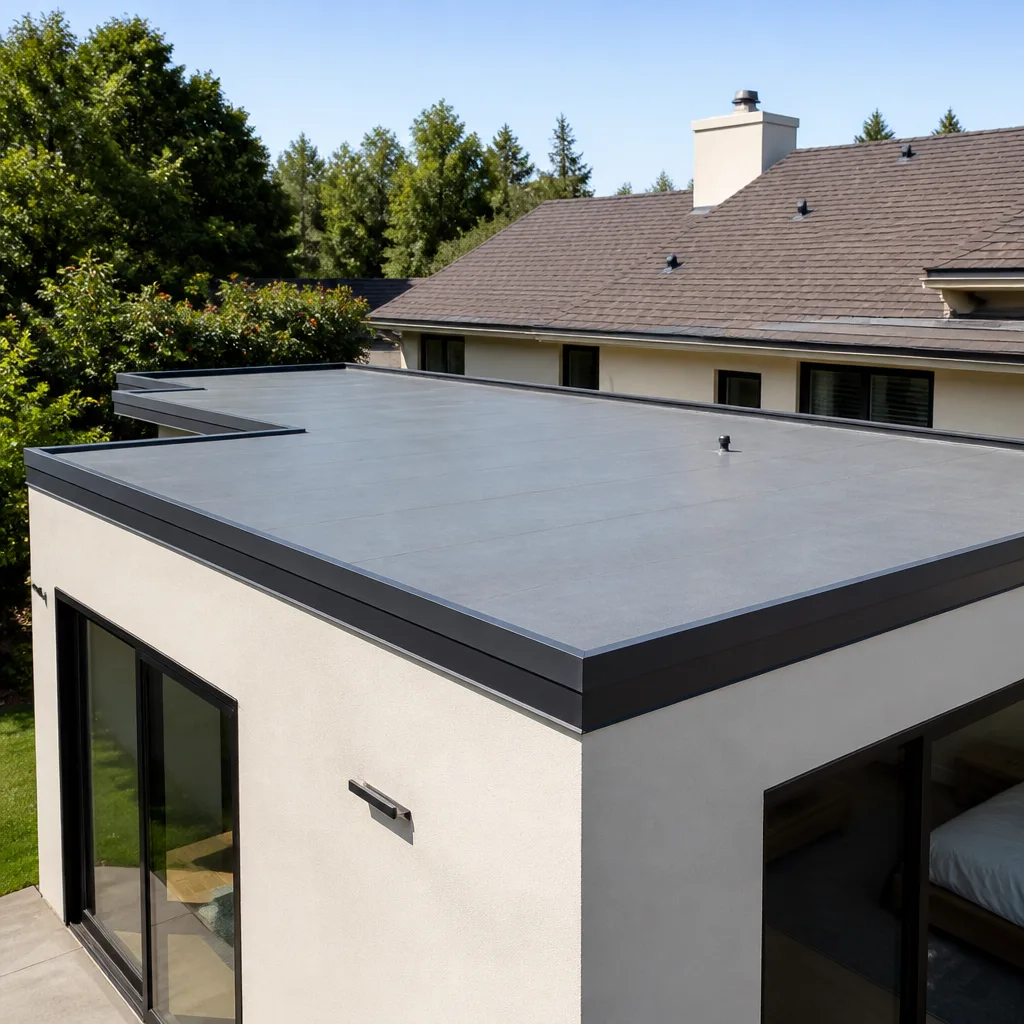 Flat & low-slope
Free roof inspection with deck photos before we talk money - GAF and Owens Corning certified installation
Roofing Emergency Preparedness Guide for Enterprise Homes
Most Enterprise homeowners don’t think about roofing emergencies because the climate is predictable. Dry air, long sunny stretches, a handful of real storm days per year. That predictability is exactly what makes people complacent. Monsoon season creates a narrow, intense window of genuine risk, and the homeowners who come through it with a manageable repair bill are the ones who made two or three decisions before the storm arrived, not during it. This guide walks you through those decisions: what to inspect before June, what to document, what to do while the wind is howling, and how to handle the 72 hours after. We’re writing it from Enterprise, for Enterprise homes, because the specific pressures on roofs here are not the same as what you read in general weather guides.
Quick Answer
Roofing emergency preparedness for Enterprise homes means completing a targeted inspection of flashing, penetrations and valleys before June, documenting your roof’s condition and material data while it’s dry, preparing a safe interior containment plan, and knowing the exact sequence of calls to make after a monsoon event. Monsoon wind gusts over 60 mph are regularly recorded in Clark County, and a roof that has deferred maintenance will show every gap at once during a fast, heavy downpour. Preparedness is a pre-event activity, not a reaction.
Styles & brands we work with
- Architectural shingles
- Metal roofing
- Tile roofing
- GAF
- Owens Corning
- Flat & low-slope
Table of Contents
- What should you do to your roof before monsoon season in Enterprise?
- What should you document before storm season?
- What should you do during an active roof event?
- What to do in the 24 to 72 hours after a monsoon storm
- How do you spot a post-storm roofing scam in Enterprise?
- What a proper pre-monsoon inspection actually looks at
- Repair or replace: making that decision before the storm decides for you
What should you do to your roof before monsoon season in Enterprise?
The single highest-value action is a full-scope roof inspection completed before June. Not a glance from the driveway – a real inspection that involves getting onto the roof, checking seals and lifting shingles where they’re suspicious. In Enterprise, the pre-monsoon window is the ideal time because roofs are dry, the weather is calm, and any weakness is still in its early stage. An honest inspection tells you what your roof actually needs, not what sells the biggest job.
If you want to take the do-it-yourself route for the visible items, here’s what you can safely check from the ground with binoculars:
- Flashing around the chimney: cracked or separated sealant, rust streaks, or missing step flashing are the top source of monsoon leaks.
- Pipe boots and vents: the rubber collar around plumbing vents hardens in the desert sun. Look for cracks or gaps where the boot meets the shingle.
- Valleys: if you can see into a valley from a lower roofline, check for granule buildup, exposed underlayment, or debris where the two roof planes meet.
- Sky lights and roof-mounted equipment: seals fail; seals around solar mounts, swamp cooler curbs and skylights are common entry points.
- Granule loss: bald patches on shingles, or a heavy concentration of granules in the gutters, tell you the shingle surface is thinning.
Everything above the ground is where we recommend a professional. Steep pitch work is genuinely dangerous, and a fall from a two-story roof causes injuries that no inspection is worth. Our technicians have up to 9 years of experience, and every inspection we do is scoped to show you what’s real rather than sell you a replacement. Enterprise Roofer works with seven of the industry’s top brands, including IKO and Atlas, so if repair is the answer you’re not steered toward a specific manufacturer because of inventory.
Items that should be completed before June, in priority order:
- Replace any pipe boot with visible cracks or hardened rubber.
- Re-seal or replace chimney and skylight flashing where the sealant has separated.
- Clear all valleys and gutter runs of debris so monsoon rain has a path out.
- Replace missing or lifted shingles on the windward side of the roof.
- Confirm that any solar panel mounts or roof-mounted equipment are sealed per manufacturer spec.
What should you document before storm season?
Insurance adjusters are far less sympathetic to a storm damage claim when a homeowner can’t show what the roof looked like before the storm. The single reason this matters so much: insurance policies distinguish between wind and impact damage from a storm event and long-deferred maintenance. If you can’t demonstrate that a flashing seal was intact in May, an adjuster may reasonably conclude that the leak in July was a maintenance issue, not a covered peril. Documenting your roof is not paperwork for its own sake. It’s how you protect a legitimate claim.
Before June, a three-part documentation file should be complete and stored somewhere you can access without power or internet. Here’s what to include:
- Photographs: wide shots of each roof plane from the ground, close shots of flashing, valleys, penetrations and any pre-existing damage. Date every image.
- Material information: the shingle brand and product line, plus the approximate install date. This tells an adjuster what was there and helps your contractor match replacement materials if a small repair is needed.
- Contractor contact: the name and number of the roofing company you plan to call. Keep it with the file, not buried in an email inbox.
- Inspection report: if you’ve had a full-scope inspection done, keep the written report and photos. This is the strongest possible proof of condition before a storm.
We tell every Enterprise homeowner to keep a copy of their file in a folder along with a printed copy of the phone number to their roofing company and insurer. When the roof is dripping and the power is out, you’ll be glad you have it. In Enterprise’s newer master-planned neighborhoods, many homes have similar roof profiles – the documentation file is one of the few things that distinguishes your claim from every other homeowner calling the same day. The Enterprise roofing market has enough homes that adjusters see hundreds of claims after a big monsoon event, and a well-organized file moves through faster than one that doesn’t.
What should you do during an active roof event?
During an active monsoon event, your job is to stay safe and contain active water. That’s the entire scope. Do not go on the roof. Do not open windows to look at the eaves. Do not attempt anything outside while wind gusts are over 60 mph. Wait it out and protect the interior.
The interior containment steps you can safely execute during a storm:
- Move furniture, electronics and rugs out of the affected room, or cover them with heavy plastic sheeting.
- Place buckets and containers under active drips. Add a towel or rag to deaden the splash sound and collect spray.
- If a ceiling begins to bulge or a large sag appears, move everyone out of the area. A ceiling that collapses under pooled water is heavy and dangerous – call a professional and keep clear.
- If water is running down inside a wall, kill power to that circuit at the panel only if you can reach the panel safely and without stepping in water. If there’s any question about safe access to the electrical panel, leave it alone and call a licensed electrician.
- Photograph and video everything as it happens. Timestamps are valuable evidence.
What requires a professional, without exception:
- Tarping the roof. Getting on a wet, windy roof to tarp a leak is one of the most dangerous jobs in roofing. The footing is nonexistent and wind gusts turn a tarp into a sail. This is a job for trained professionals with fall protection.
- Removing a downed limb from the roof. The weight is unstable, and cutting on a wet roof is a sure way to a serious injury.
- Any electrical work near water. If water is contacting wiring or the panel, evacuate and call for professional help.
- Assessing structural damage. A sagging ceiling or a bent ridge line is a structural question, not a “wait and see” question.
We answer 24/7. A call outside dispatch hours is booked into the next opening, Sunday through Friday, 7am to 7pm. Call (866) 834-8493 and we’ll get a plan in place. The temporary work that follows a monsoon event – tarping, securing, containing – is what we do to buy time until the roof can be properly assessed and repaired.
What to do in the 24 to 72 hours after a monsoon storm
The 24 to 72 hours after a monsoon event is when the highest-value decisions get made. That window is where prepared homeowners protect their claims and clueless homeowners get talked into expensive mistakes. Here’s the sequence we recommend.
Step 1: Walk the exterior from the ground. Do not climb onto the roof. From the ground, look for lifted or missing shingles, displaced ridge caps, gutter damage, downed limbs, and any visible gap around flashing. Photograph anything suspicious with a timestamp.
Step 2: Walk the interior on the top floor. Look for water stains on ceilings and walls, especially where a wall meets a ceiling, and around skylights. Pull a flashlight out and check closets and attic access, since attic staining is often the earliest signal that something is wrong. Photograph any stains you find.
Step 3: Document what you’ve found. Compare these photos to the pre-monsoon photos you took in step one of your documentation. That’s the difference between a solid insurance claim and a negotiation.
Step 4: Contact your insurer. Call your insurance company before you call a contractor, or at least on the same day. Get a claim number and ask what documentation they want. If they recommend an adjuster visit, note the date.
Step 5: Schedule a professional inspection. A qualified inspection on a storm-affected roof will identify both the visible damage and any secondary issues the storm surfaced. That’s the report your insurer values. If a contractor wants to skip the inspection and go straight to a replacement quote, that’s a signal to slow down.
The order matters. Calling your insurer first locks in the claim. Calling a professional inspector second gets you documented evidence. Calling for a repair only after both of those steps prevents the “storm chaser” problem described in the next section.
How do you spot a post-storm roofing scam in Enterprise?
After every significant monsoon event in Enterprise, out-of-town contractors appear. Some are legitimate and some are not. The signs of a storm chaser are specific and consistent, and once you know the pattern you can screen them out in a single conversation.
Specific pressure tactics that should end the conversation:
- Door-to-door canvassing immediately after a storm. A legitimate local roofing company rarely knocks on your door the day after a storm. Out-of-area contractors who show up in unmarked trucks and don’t have a local address usually can’t be located in three weeks.
- Pressure to sign a contract on the spot. “We’re only in the neighborhood today” is a pressure tactic, not a scheduling fact. Any contractor who won’t let you sleep on a decision is saying so much with that alone.
- “We’ll handle your insurance for you.” A legitimate contractor can work with your insurer, but no contractor can speak with your insurer on your behalf without your authorization. Where a storm chaser says they’ll waive your deductible, that’s a red flag – it’s typically illegal and often a sign the work won’t actually get done.
- Cash only, or a big deposit up front. Legitimate roofers work with written estimates and invoices. A contractor who wants a large cash deposit before any material is ordered is a risk to your money.
- No local references or no written estimate. Ask for a physical written estimate that lists the materials by manufacturer and product line – IKO, Atlas, Tamko, Boral, and similar brands are all documented. A storm chaser will produce one number on a business card.
- Out-of-state plates and a temporary phone number. None of these alone is proof of a scam, but together they describe a contractor who won’t be around when the work has to be fixed.
Local roofing companies earn repeat business in Enterprise by being findable months later. Before you sign anything, look for a business that has a physical location or a long-running local presence, ask for local references, and ask what warranty they provide in writing. The roof repair page for our Enterprise service area describes the standard screening we walk every customer through, and if you’re at the point of weighing a full replacement, our roof replacement page covers the same expected workflow from inspection through final walkthrough. Both services come from a single team, which is often what protects you from being passed from contractor to contractor when a monsoon event stresses your roof.
What a proper pre-monsoon inspection actually looks at
A full-scope inspection done before monsoon season is not the same as a replacement estimate. Replacement estimates are sales visits. Inspections are diagnostic work. The distinction matters because Enterprise homeowners need to know what’s actually happening on the roof, including what might survive another year and what has to be fixed now. Enterprise Roofer offers inspections as a standalone service, not as a sales funnel for replacement.
A thorough inspection covers:
- Shingle condition. Every plane gets checked for granule loss, lifted shingles, cracked shingles, and exposed nail heads.
- Flashing integrity. Step flashing, drip edge, chimney flashing, skylight flashing. This is where a monsoon inevitably finds weakness.
- Penetrations. Pipe boots, vent stacks, mounts, and anything else that breaks the roof plane. Every penetration is a potential entry point.
- Valley condition. How the two roof planes meet, how the underlayment looks, and whether debris has been collecting.
- Decking and structure. Soft spots, sagging, and anything that suggests the subsurface is compromised before the shingles go back on.
- Attic review. Not just the top side. What’s happening on the underside – stains, moisture, ventilation – tells you what the roof has already been through.
We’ve seen plenty of Enterprise roofs where the top-side looks acceptable from the street and the attic tells a different story. A good inspection covers both sides. If you’re considering material choice at all – and many homeowners going into monsoon season should at least know their options – this is where a multi-brand contractor helps. Terms like brand familiarity sound like marketing, but in practice they mean the recommendation is driven by your roof and your budget, not by which manufacturer rep last visited.
Repair or replace: making that decision before the storm decides for you
The wrong time to be deciding between repair and replacement is during an active leak. That decision is easy to make under pressure and hard to walk back. The right time is before June, with a written report in hand and a clear picture of the roof’s condition.
Here’s the framework we use when a homeowner is weighing the two:
- Repair wins when the damage is localized, the shingles are less than roughly two-thirds of their expected life, the decking is intact, and the failure is in a specific component like flashing or a pipe boot.
- Replacement wins when the shingles are at or near end-of-life, granule loss is widespread, multiple roof planes are compromised, or repeated repairs are costing more than a replacement spread over years.
- Mixed cases are common. A 15-year-old roof with one failed valley often gets a targeted repair now and a full replacement planned for the next budget cycle. That’s a reasonable outcome – repairs are a legitimate solution, not a compromise.
If the inspection points toward replacement, working with a contractor that carries several lines – IKO, Atlas, Tamko, Boral and others – means you’re choosing a material based on what the roof needs, not what the nearest warehouse happens to stock. Enterprise Roofer’s process runs inspection, repair and replacement through a single company, so the diagnostic inspection isn’t biased toward an upsell. Whatever the recommendation, the answer is yours to make, and the written estimate sets the final price.
Common Mistakes to Avoid
- Waiting until the first monsoon forecast to call a roofer. Every Enterprise roofing company gets flooded with calls the week before a storm. The homeowners who get in before June get a proper inspection; the ones who call the day a storm is forecast get a rushed visit. Plan ahead by months, not days.
- Skipping pre-storm photos. Insurance adjusters want to see the before condition. Without those photos, a legitimate storm-damage claim is harder to prove and slower to settle.
- Getting on the roof during or immediately after a storm. Wet shingles and monsoon gusts are a serious injury waiting to happen. No amount of photographic documentation is worth a fall.
- Signing with a door-knocker the day after a monsoon event. Local roofing is about who’s still around in six months when the warranty claim comes up. Storm chasers aren’t.
- Assuming a leak always means full replacement. A single failed pipe boot is a repair. A widespread granule loss issue is a replacement. A proper inspection tells the difference, and a contractor who goes straight to the replacement quote without the inspection has answered the question too early.
- Ignoring the interior. Water stains on the ceiling are the earliest reliable proof that a monsoon found your roof. Catching them in the same week means a repair; ignoring them for months means a much larger repair.
- Choosing a shingle brand on price alone. In Enterprise’s climate, shingle performance under intense sun exposure matters as much as storm resistance. A brand you can name and a product line documented in writing matters more than a small price difference.
See the difference
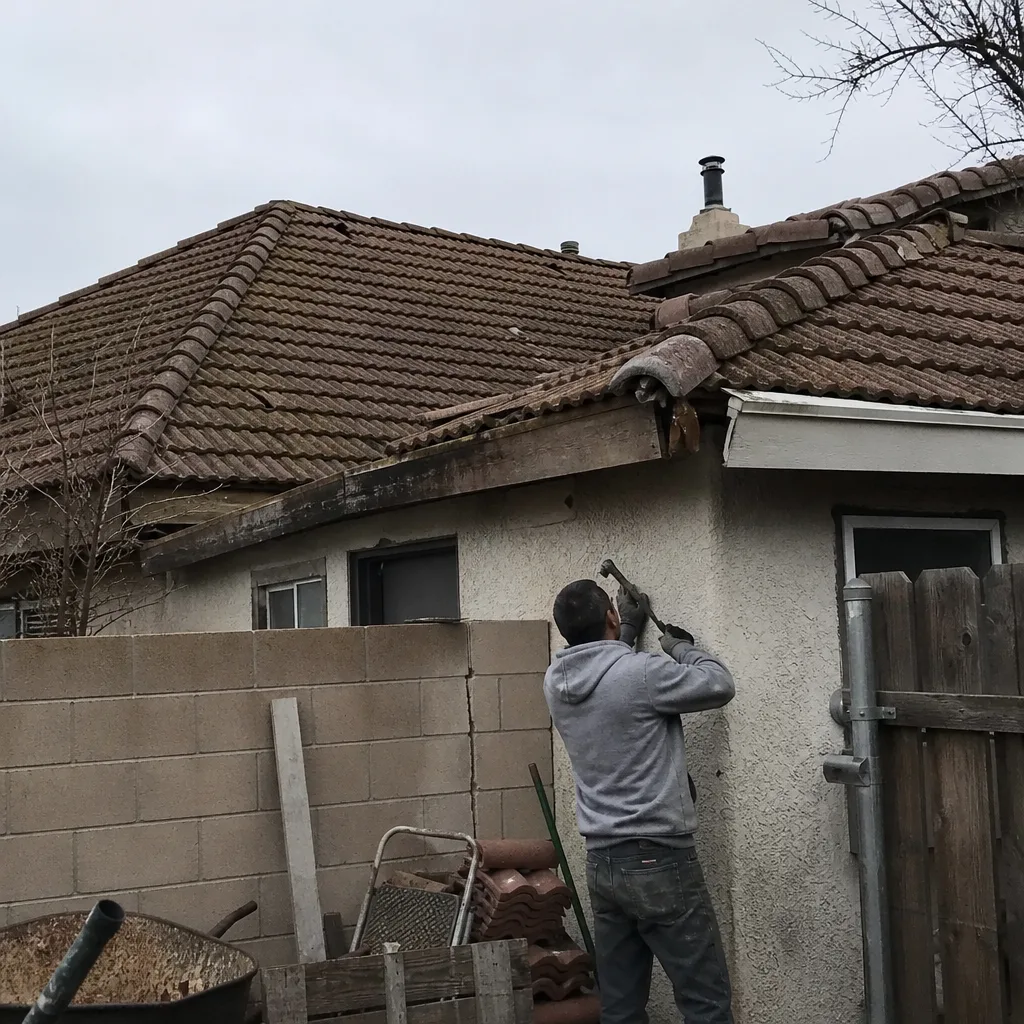 Before
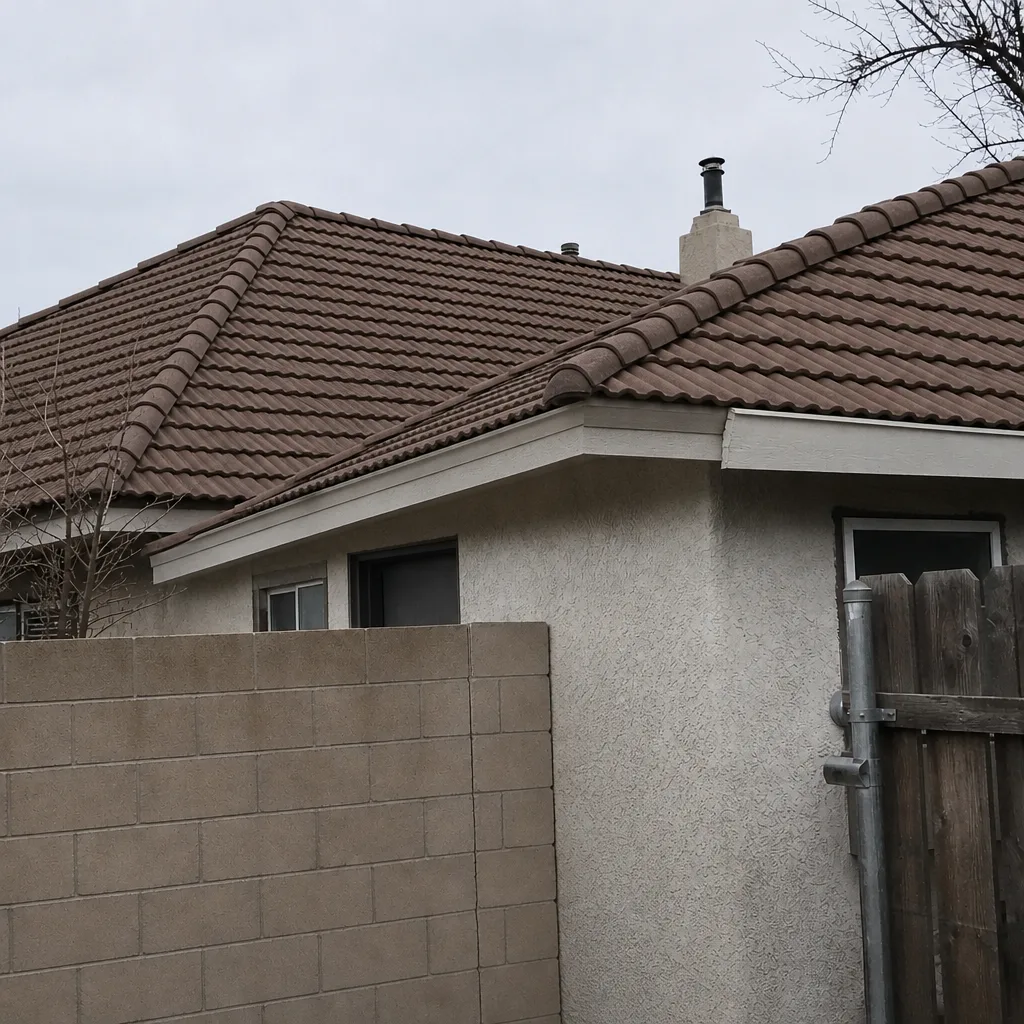 After
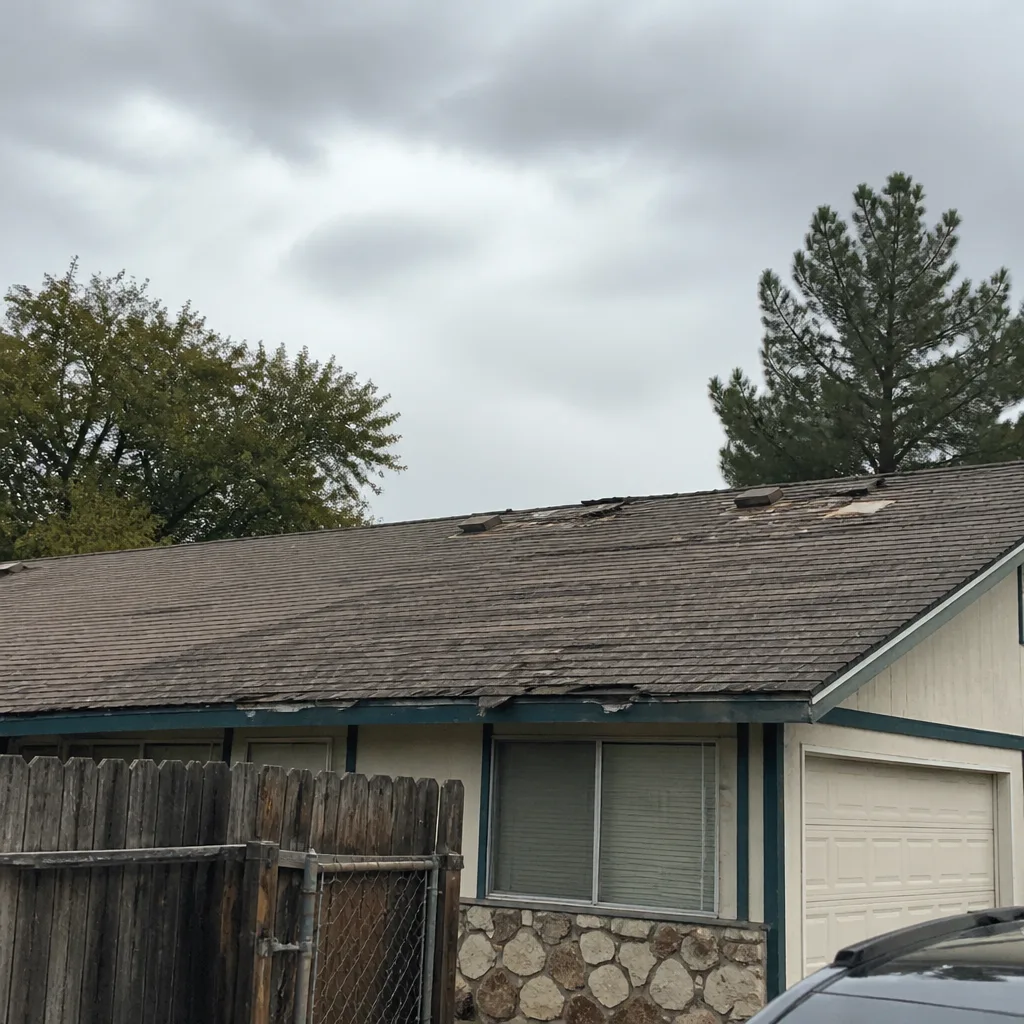 Before
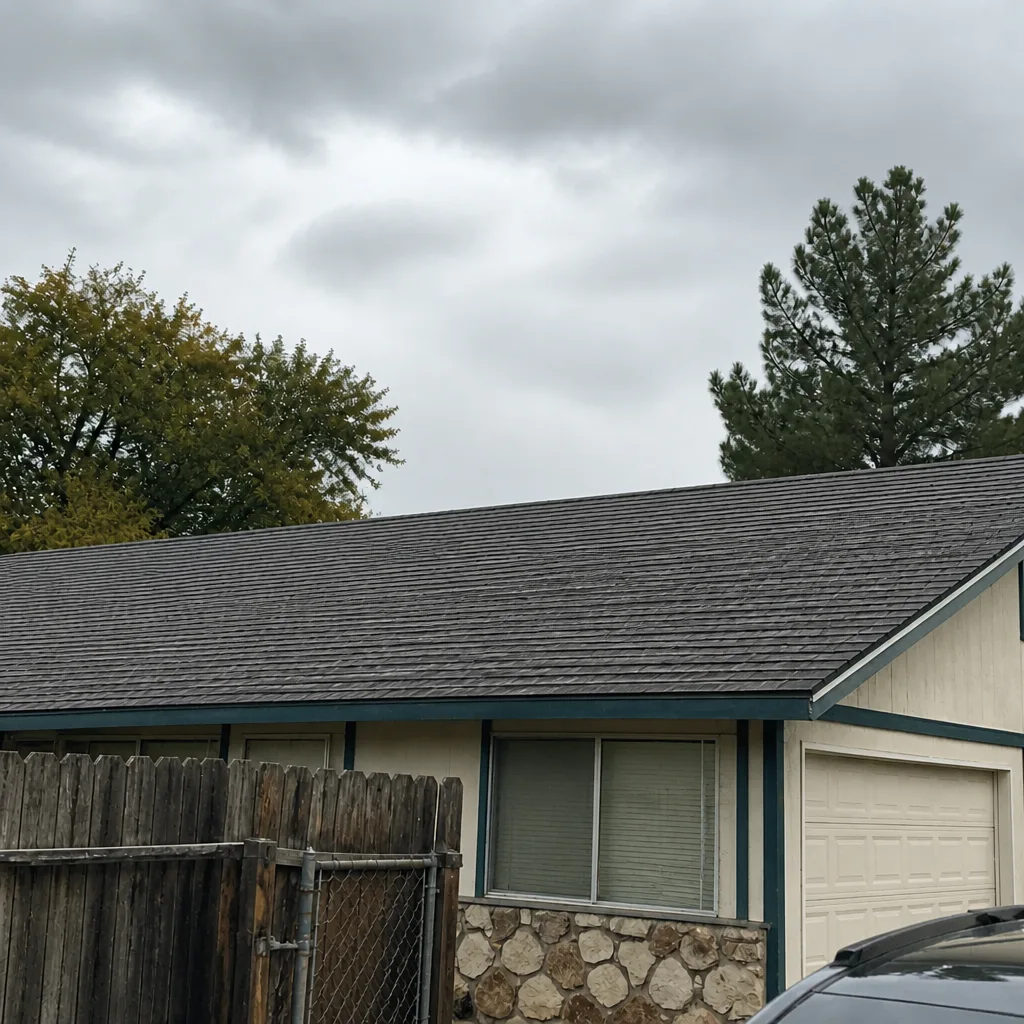 After
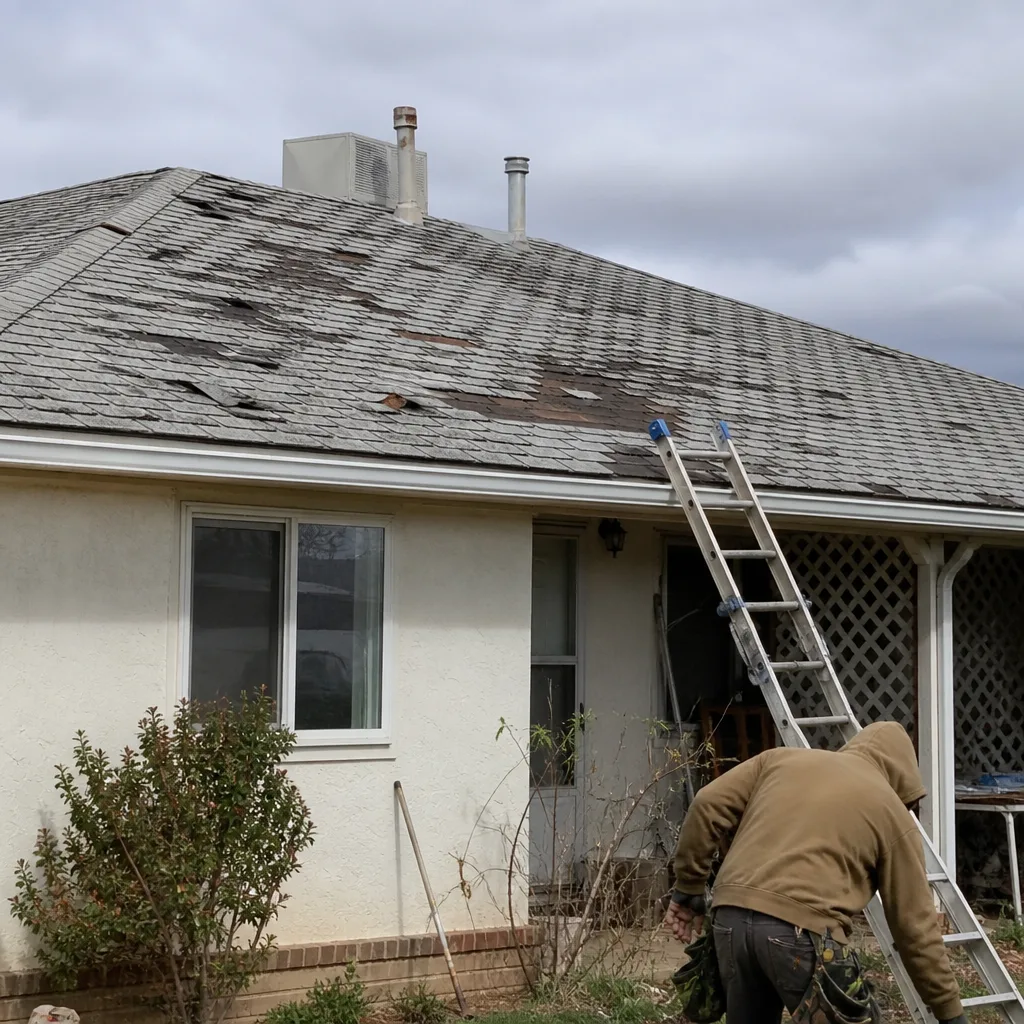 Before
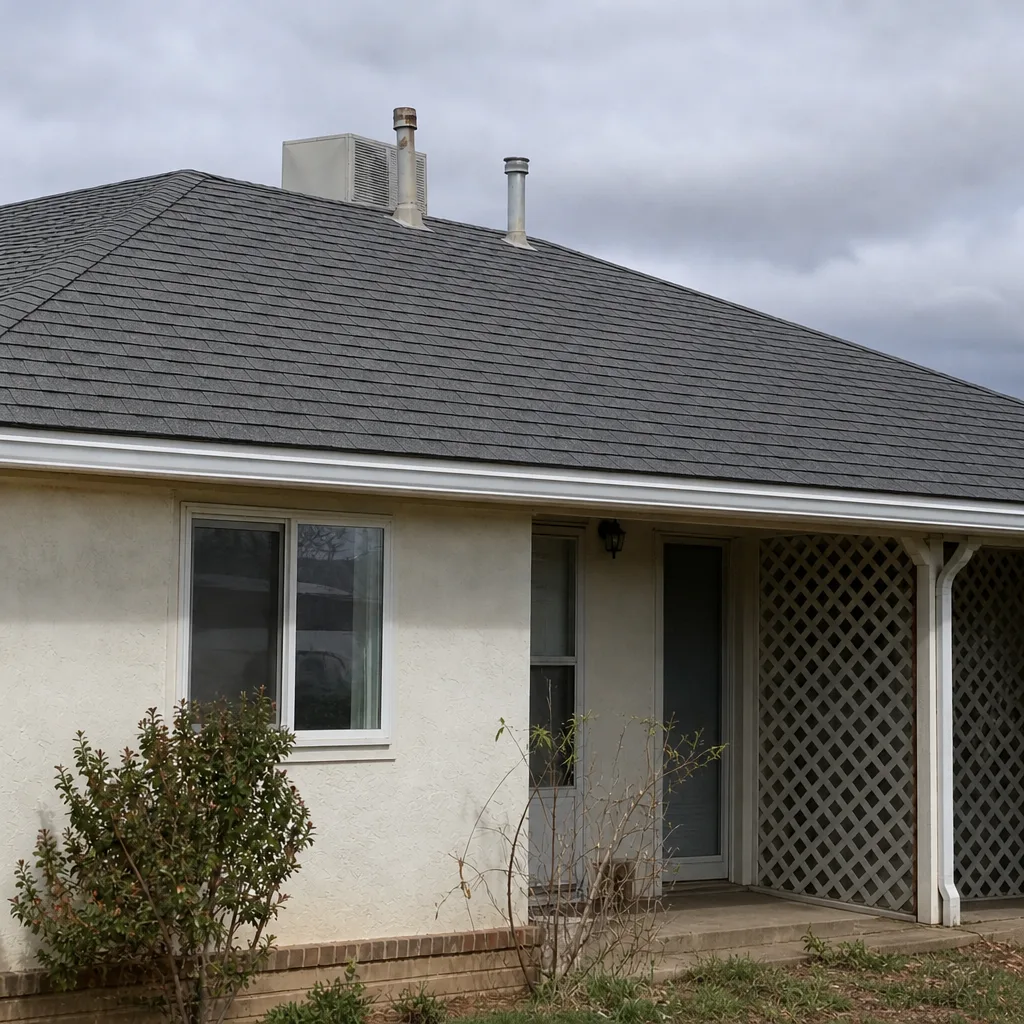 After
When to Call a Professional
Call a professional roofer if you can see lifted or missing shingles after a monsoon event, if there’s any water staining on the interior, if a ceiling is sagging or bulging, or if the roof is more than a few years into its expected lifespan and you haven’t had it inspected. Call before June even if you have no active leak – a full-scope inspection is how you find the deferred maintenance that a monsoon would otherwise find for you. Call if a contractor is pressuring you to sign on the spot, or if you’re being asked for a large cash deposit before any written estimate has been produced. Enterprise Roofer offers free estimates in Enterprise – call (866) 834-8493. Our technicians have up to 9 years of experience, and our inspection findings are delivered in writing so you can make the decision on your own timeline.
Frequently Asked Questions
Monsoon microbursts in Clark County regularly produce wind gusts over 60 mph, and a short-duration burst can dump half an inch of rain in 20 minutes. Specific numbers vary by storm, but the pattern doesn’t: most damage comes from wind lifting shingles and driving rain into flashing gaps. Roofs that have been maintained tend to come through; roofs that have been ignored are the ones that leak. Call (866) 834-8493 if you’re unsure about your roof’s condition before June.
No. Tarping a wet roof in active wind is one of the most dangerous jobs in roofing, and it’s exactly what professionals train for. Stay off the roof during an event. If you have a leak, contain it inside, document everything, and call us – we answer 24/7 and crews are dispatched from 7am to 7pm, Sunday through Friday. Call (866) 834-8493.
You should document your roof with dated photos of every roof plane, close photos of flashing and penetrations, the shingle brand and approximate install date, and the name of a roofer you plan to call. This is the file an insurance adjuster will ask for when you file a storm damage claim. If you’d rather have a professional produce this documentation, a full-scope inspection is the cleanest way – call (866) 834-8493 to schedule one. Estimates are free.
Storm chasers appear door-to-door immediately after a significant storm, push you to sign on the spot, offer to “handle your insurance for you,” and often ask for a cash deposit or full payment up front. A local roofing operation can be found months later, produces a written estimate, and lists materials by brand (IKO, Atlas, Tamko, Boral, and others). Before signing anywhere, call us at (866) 834-8493 for a comparison estimate. Estimates are free.
We answer 24/7. A call outside dispatch hours is booked into the next opening, Sunday through Friday, 7am to 7pm. If your situation is a true roof emergency – active leak, sagging ceiling, water near the electrical panel – tell us on the call and we’ll prioritize the booking. Call (866) 834-8493.
No. Your written estimate sets the final price for the work described in it. If the professional inspection reveals unexpected conditions – a hidden decking issue, for example – we walk you through the change in writing before any additional work begins. You won’t get a verbal surprise. Call (866) 834-8493 for a free estimate and a clear written scope.
The Bottom Line
Roofing emergency preparedness in Enterprise isn’t a checklist you work through during a storm. It’s a set of decisions you make before the season starts: get a real inspection before June, document the roof while it’s dry, know what you can safely do inside your home when the rain is coming in, and have the number of a local roofing company ready. The homes that come through monsoon season with only minor repairs are the ones that took those steps – not because they were lucky, but because there was less for the storm to find. Enterprise Roofer offers inspection, repair and replacement as three equally valid outcomes of a single conversation, so when your roof needs a specific answer you get that answer, not a sales pitch.
Call (866) 834-8493 for a free estimate. We answer 24/7. Fast dispatch from 7am to 7pm, Sunday through Friday. Written estimates, no change orders, and materials from seven of the industry’s leading brands – GAF, CertainTeed, Owens Corning, IKO, Atlas, Tamko and Boral. Enterprise-level process, neighborhood-level accountability.
Written by the team at Enterprise Roofer.