
Last updated November 16, 2026
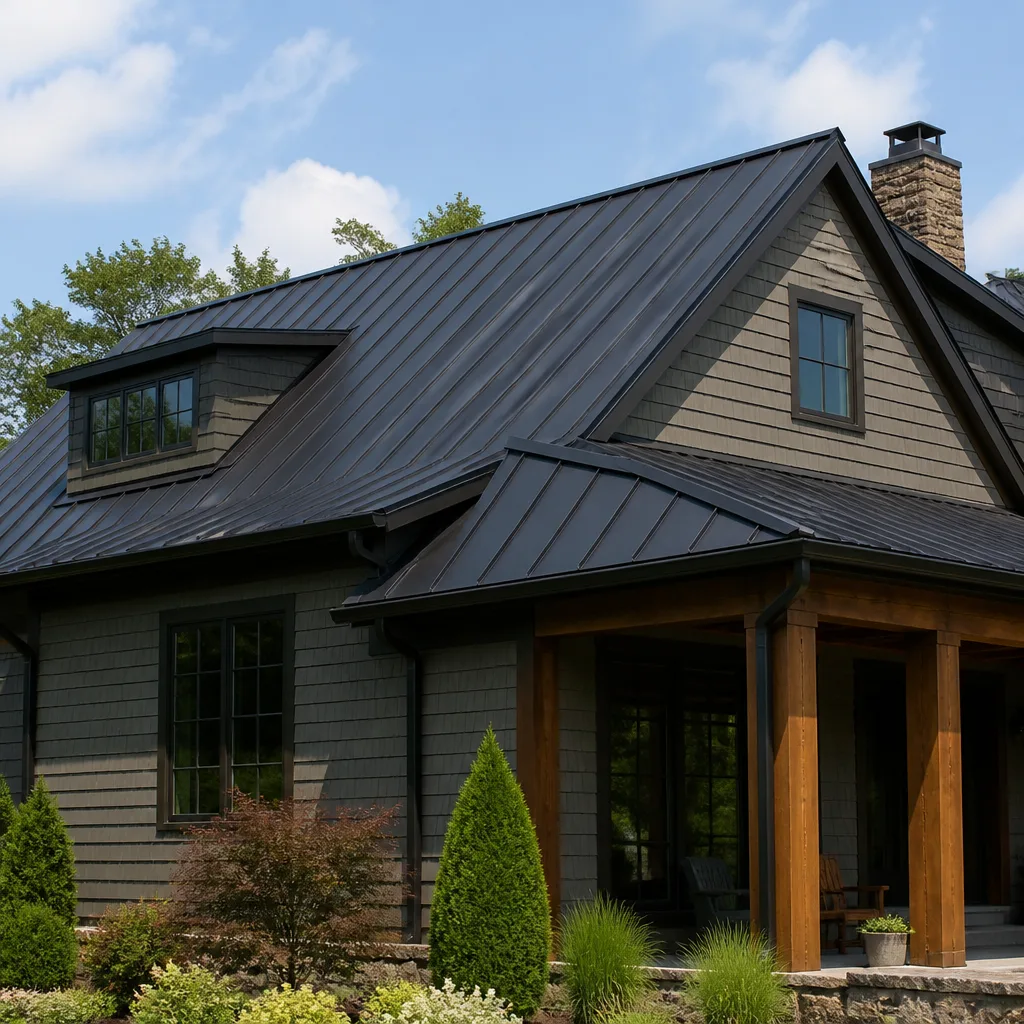 Metal roofing
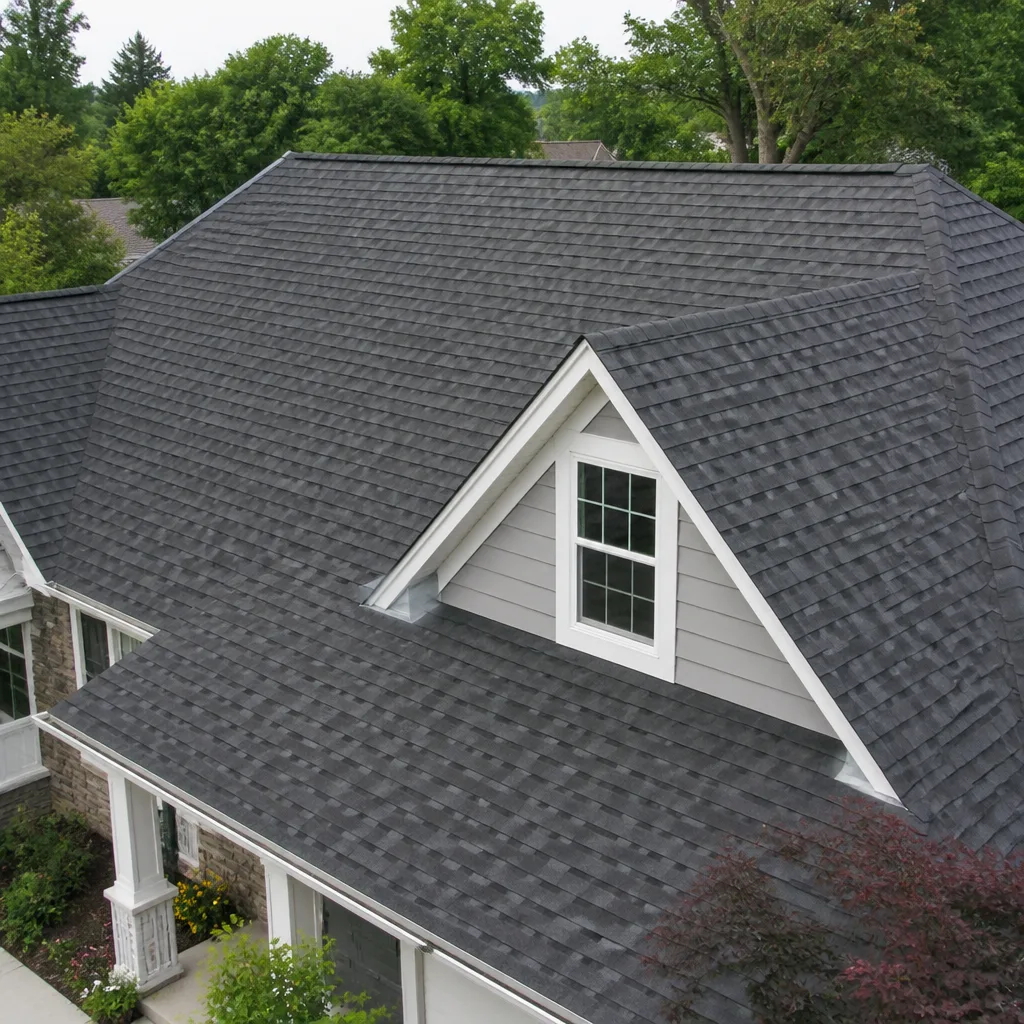
 Architectural shingles
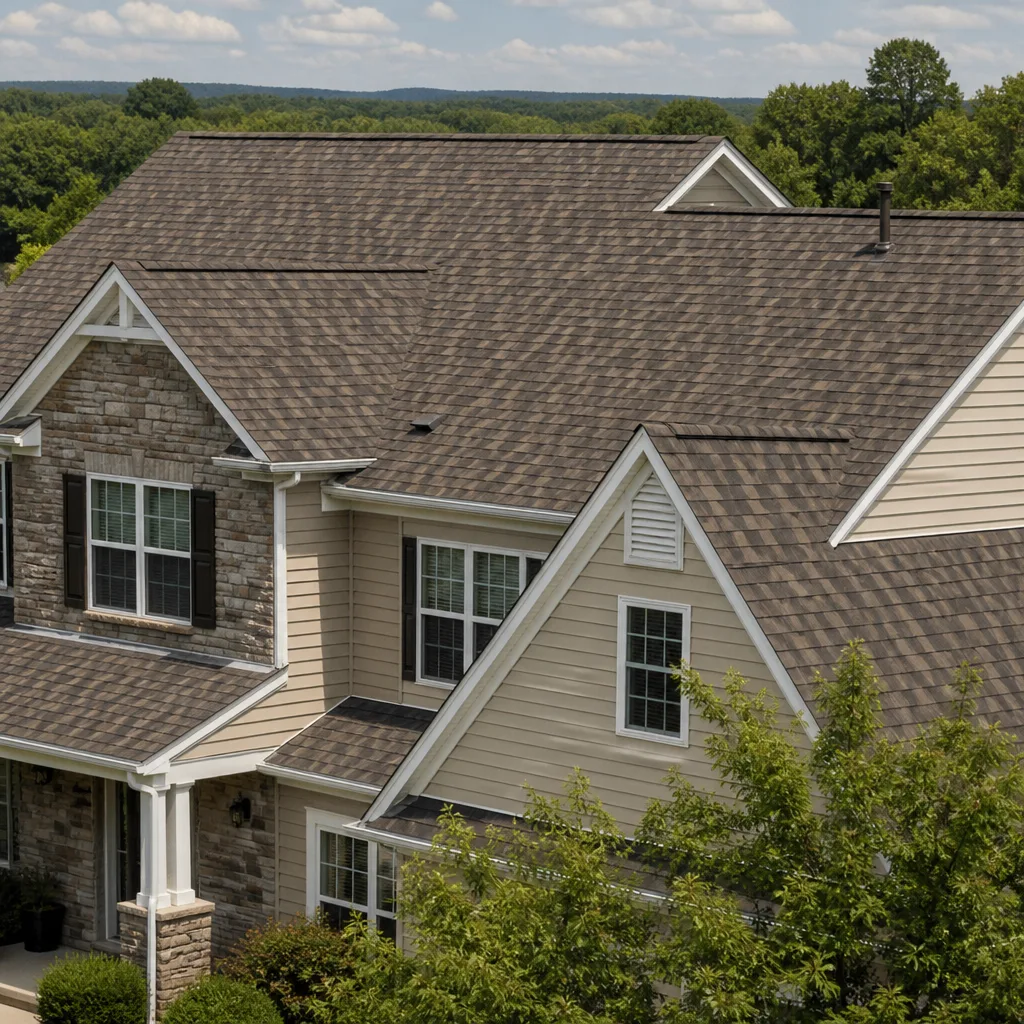
 Tile roofing
 GAF
 Owens Corning
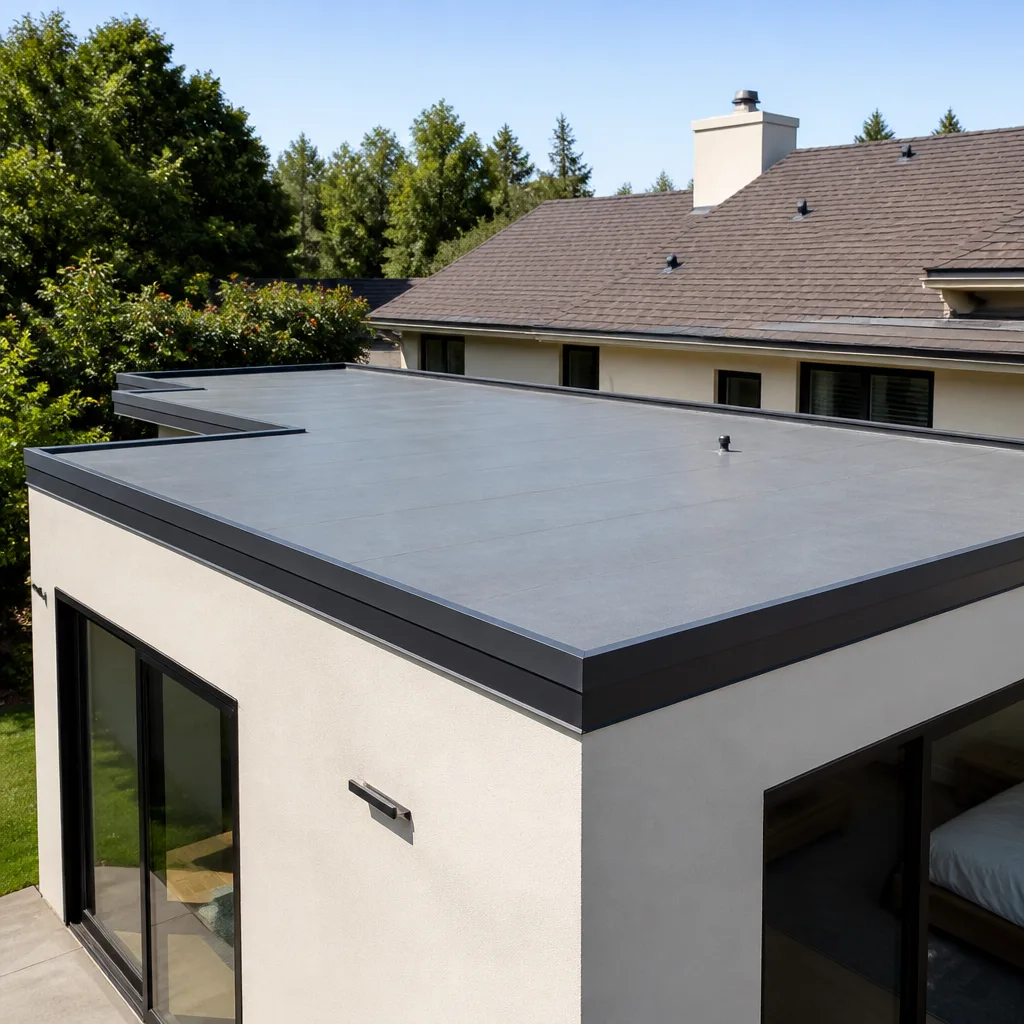 Flat & low-slope
Free roof inspection with deck photos before we talk money - GAF and Owens Corning certified installation
Seasonal Roofing Care for Enterprise: Year-Round Homeowner’s Guide
Enterprise averages 294 sunny days a year, and that single number should reshape how you think about roof care. Most seasonal roofing guides are written for places with four real seasons, so they spend equal space on winterizing, spring thaw, summer storms, and fall cleanup. Here, winterizing is mostly irrelevant. What is not irrelevant is ultraviolet degradation, which runs all year with almost no break, and heat cycling that expands and contracts every roofing material on your house. If you’re calendaring your roof maintenance around rainfall, you’re tracking the wrong variable. This guide compresses the calendar honestly into two seasons that matter and two that demand very little, and it shows you the two-task annual rhythm that actually protects a roof in Enterprise.
Styles & brands we work with
- Architectural shingles
- Metal roofing
- Tile roofing
- GAF
- Owens Corning
- Flat & low-slope
Quick Answer
In Enterprise, roof care has two meaningful seasons: spring (March through May), when you inspect for UV and thermal damage the summer sun caused, and fall (October through November), when you assess post-monsoon condition and check attic moisture before cooler nights arrive. Summer is monsoon preparedness and mid-storm patience. Winter needs almost nothing on the valley floor. A roof in good condition needs about two real maintenance tasks a year, not a twelve-item seasonal matrix.
Table of Contents
- Why Enterprise Doesn’t Have Four Roofing Seasons
- Spring (March to May): The Most Valuable Inspection Window
- Summer (June to September): Monsoon Preparedness and Storm Response
- Fall (October to November): Post-Monsoon Assessment and the Task Most Homeowners Skip
- Winter (December to February): Freeze-Thaw Risk and Who It Actually Applies To
- Building a Two-Task Annual Rhythm
- When Seasonal Care Means Inspection, Repair, or Replacement
- Common Mistakes to Avoid
- When to Call a Professional
- Frequently Asked Questions
- The Bottom Line
Why Enterprise Doesn’t Have Four Roofing Seasons
The standard seasonal roofing calendar was built for climates with hard freezes, snow loads, and ice dams. Enterprise doesn’t have those. What it has is a long, intense sun season and a short, sharp monsoon. That means your roof’s main enemies are sunlight and water, and they arrive on very different schedules. Sunlight is a constant pressure that never fully pauses. Water arrives in concentrated bursts between June and September, with the occasional shoulder-season rain.
So the honest seasonal picture looks like this:
- Spring: the single most useful inspection period, because it’s when the prior year’s UV and heat damage becomes visible.
- Summer: prepare before the monsoon, then let the roof do its job during rain events.
- Fall: the most-skipped season, and the one that catches small problems before they compound.
- Winter: mostly a no-action period for valley floor homes, with a real but narrower concern at higher elevations.
Treating all four seasons as equally demanding is how seasonal guides fill pages without helping anyone. Enterprise Roofer’s view is simpler: your roof is working every day of the year against the sun, so the seasons are really about when to look, not when to act urgently.
Spring (March to May): The Most Valuable Inspection Window
Spring is the highest-value inspection period in a desert climate, and most homeowners never think of it that way. Here’s why. Through the previous summer, your roof spent months absorbing intense ultraviolet light and expanding and contracting with daily temperature swings. Those cycles stress sealants, flashing, and shingle surfaces. By spring, the cumulative damage from that exposure is visible to a trained eye in a way it simply isn’t mid-summer, when everything is heat-soaked and freshly baked.
What a spring inspection looks for:
- Granule loss on asphalt shingles, the first visible sign of UV aging.
- Sealant and caulk cracking at flashing, vents, and pipe boots.
- Lifted or curling shingle edges from repeated thermal movement.
- Deteriorated flashing around chimneys, skylights, and wall intersections.
- Attic-side clues: daylight, staining, or moisture marks that point to a developing leak.
A full-scope roof inspection is worth doing as a standalone service in spring, not only as a step toward replacement. Enterprise Roofer treats inspection, repair, and replacement as three equally valid outcomes. Sometimes the honest answer is that your roof is fine and you should check back next spring. Our technicians have up to 9 years of experience reading the difference between normal wear and a problem that is quietly getting worse.
If you only do one thing in spring, make it a documented inspection. That record becomes your baseline for comparing every season after.
Summer (June to September): Monsoon Preparedness and Storm Response
Summer in Enterprise splits into two phases: before the monsoon, and during it. The work happens before the rain arrives. Once a storm is overhead, most of what a homeowner can safely do is watch and wait.
Pre-monsoon checklist, done before the first real rain:
- Clear debris from valleys, gutters, and drainage paths so water leaves the roof the way it should.
- Check that flashing around vents, chimneys, and roof penetrations is intact and sealed.
- Look for loose or missing shingles that a strong wind could lift.
- Confirm attic ventilation is open and unobstructed, so heat and moisture can escape.
- Note any existing stains or soft spots so you can tell a new problem from an old one.
During a rain event, the safe move is to stay off the roof. Wet roofing surfaces are genuinely dangerous, and there’s nothing you can do mid-storm that can’t wait for the porch to dry. Instead, watch from inside: note where water appears, photograph any ceiling stains, and check the attic once the rain stops. That record helps diagnose the leak accurately.
Mid-storm response, in order of what’s actually useful:
- Place buckets under active drips and move valuables out of the path.
- Photograph interior water intrusion with timestamps.
- Note which side of the house or which room the leak showed up in.
- Wait for the roof to dry before anyone walks on it.
When something does fail, quick action matters because small leaks spread. Call (866) 834-8493. We answer 24/7, and fast dispatch runs from 7am to 7pm. When you call, describe what you saw during the storm; that detail helps us plan before we’re on-site. For a broader look at fixing what the monsoon exposes, see our roof repair service.
Fall (October to November): Post-Monsoon Assessment and the Task Most Homeowners Skip
Fall is the second real season, and it’s where the leverage really sits. The monsoon has just stress-tested your roof with concentrated water. Fall is your window to see what held and what didn’t, before cooler nights begin to change the moisture picture inside your home.
Post-monsoon assessment covers:
- Water tracks along flashing, valleys, and penetrations where rain ran and pooled.
- Shingle damage wind and rain may have caused during storms.
- Sealant condition after a season of full sun and rain cycles.
- Attic moisture before the cool-night cycle begins (this is the one most people skip).
That last item is the task most Enterprise homeowners leave out. As outside temperatures drop, warm interior air meeting a cool roof underside creates condensation risk in attics that aren’t well ventilated. Over time, attic moisture can lead to staining, deterioration of the roof deck, and insulation that loses effectiveness. A quick fall look at the attic, paired with confirming your ventilation is working, catches this before it becomes a much bigger problem. Most homeowners never check, and the ones who do tend to spot issues while they’re still cheap to fix.
Fall is also when it’s easiest to make an honest decision about the next step. A roof that held through the monsoon with minor wear is a repair candidate. One that took on water in three places is a replacement conversation. Either way, the decision should rest on what the inspection finds, not on what sells the biggest job. When you’re weighing options, our guide to roof replacement explains what the process actually involves in a desert climate.
Winter (December to February): Freeze-Thaw Risk and Who It Actually Applies To
Winter in Enterprise is mild, and for the vast majority of homes on the valley floor it requires almost no roof action. There is no snow load to worry about and no ice dam risk. The honest advice is: keep an eye on it, check the attic after any cold snap, and otherwise leave it alone.
Freeze-thaw is a real but narrower concern, and it applies mostly to higher-elevation homes above the valley floor where temperatures can dip below freezing long enough for trapped water to expand and stress seams, flashings, and seals. Elevation matters more than the calendar here. If you’re up on a slope above Enterprise, the winter question is worth asking; if you’re on the flat, it usually isn’t.
How to tell which applies to you:
- Notice overnight lows at your address compared to town. Higher elevations freeze harder and more often.
- Check for frost in the attic after cold nights; it points to ventilation and moisture problems that freeze-thaw can worsen.
- Look for cracked sealant around flashing in late winter; if water got in and froze, it shows.
Beyond that, winter is a no-work season. It’s a fine time to schedule a spring inspection so the appointment happens the moment UV damage is readable. Enterprise Roofer works through the calendar the way the roof actually needs, and if winter is the right time to just wait, we’ll tell you that.
Building a Two-Task Annual Rhythm
The single biggest improvement you can make to your roof care is to forget the twelve-task seasonal matrix and build a rhythm of two real maintenance tasks per year. For a roof in good condition, that’s the honest minimum.
The two-task program:
- Spring inspection (March to May). A full-scope inspection documents UV and thermal wear from the past year, catches small defects, and establishes your baseline. This is the most valuable single appointment of the year in a desert climate.
- Fall assessment (October to November). A post-monsoon check covers water intrusion, wind damage, and the attic-moisture look most homeowners skip. Repair anything the inspection flagged while it’s small.
That’s it. Summer is preparation and observation; winter is watching. If a spring or fall inspection comes back clean, you honestly don’t need a third visit. If it turns up a repair, deal with it then, before the next sun season gets another crack at the same weak spot.
This rhythm also resolves the repair-versus-replace anxiety that hangs over every roofing decision. When you’re inspecting twice a year with a documented history, the answer usually becomes obvious. If you’ve been noticing wear and don’t yet have that history, an inspection is the right first step. Enterprise Roofer offers inspection, repair, and replacement as one continuous service, so you aren’t managing different contractors as your roof’s needs change. A roof inspection in Enterprise is a legitimate appointment on its own, not a sales funnel for replacement. And because we work with seven leading manufacturers, including GAF, CertainTeed, Owens Corning, IKO, Atlas, Tamko, and Boral, the recommendation that comes out of the inspection is driven by your roof’s actual needs and your budget, not by which brand someone happens to stock.
When Seasonal Care Means Inspection, Repair, or Replacement
The honest question after every seasonal check is: what does the roof actually need right now? Here’s how the three outcomes sort out, based on what a documented inspection finds.
Inspection. The right answer when you don’t yet know where the roof stands. Full-scope inspection reads granule loss, flashing, sealants, shingles, and attic-side clues, then hands you a clear picture. Sometimes that picture is “fine for now, check back next spring.”
Repair. The right answer when wear is localized: a failing sealant joint, a lifted shingle, a pipe boot that’s given out, or a flashing corner that let in a monsoon leak. Repair is a legitimate solution, not a compromise. The question is whether a repair buys you real years or just pushes the same problem down the road, and a good inspector will tell you which.
Replacement. The right answer when the roof is showing end-of-life patterns across a large area: widespread granule loss, multiple failure points, shingles that are past their usable life, or repeated leaks returning to the same spots. Replacement should follow evidence, not pressure.
For a broader look at choosing a roofer who inspects honestly and offers real choices on material rather than pushing one brand, spend a few minutes on Enterprise Roofer. The point of a multi-brand specialist is that the recommendation follows the roof, not an inventory.
Common Mistakes to Avoid
- Tracking only rainfall. Enterprise’s roof damage is driven mostly by sun and heat cycling, not rain. If you schedule inspections around storms only, you’ll miss the year-round UV degradation that causes most of the wear.
- Skipping the fall attic check. The fall look at attic moisture before cooler nights is the single most-skipped task in Enterprise. It’s also the one that catches the condensation cycle before it quietly damages the roof deck.
- Walking a wet roof during the monsoon. Wet roofing is genuinely dangerous and there’s nothing you can do mid-storm that can’t wait. Watch from inside, photograph, and check the attic once the rain stops.
- Treating spring as cleanup season. Spring is your most valuable inspection window. Treating it as a leaf-raking exercise wastes the one season when UV and thermal damage is easiest to read.
- Replacing when a repair would honestly hold. Some roofs get replaced because a homeowner was told to, not because the inspection supported it. Get a documented inspection before you commit.
- Repairing when the roof is genuinely at the end of its life. The flip side of the same mistake. If wear is widespread, patching a single failure just resets the clock on the next leak.
- Assuming valley winter is the same as slope winter. Freeze-thaw risk follows elevation, not the calendar. Know which applies to your address before you spend time or money on winter roof work you may not need.
When to Call a Professional
Call a professional when water is showing up inside and you can’t readily find the source. Call when you see more than one failure point, when shingles are visibly lifting or losing granules across a large area, or when a repair you had done has returned. Call after a monsoon if you saw interior staining, and call if your attic shows moisture or staining in fall. Call at the start of spring if you haven’t inspected the roof in the last year and don’t know its condition. These are the moments where a documented inspection does the most work. Enterprise Roofer offers free estimates in Enterprise. Call (866) 834-8493. We answer 24/7, and fast dispatch runs from 7am to 7pm, Sunday through Friday, closed Saturday. The written estimate sets the final price, and the estimate itself is free. Whether the answer turns out to be inspection, repair, or replacement, you’ll get it plainly. To see how we approach the whole picture, visit our Enterprise service area page.
Frequently Asked Questions
Spring, from March through May, is the best time to schedule a roof inspection in Enterprise, because that’s when UV and thermal damage from the prior summer becomes visible and readable. Fall, from October through November, is the second most useful window for a post-monsoon assessment. Those two appointments form the honest minimum annual rhythm for a roof in good condition. Call (866) 834-8493 to schedule a free estimate, and we’ll help you pick the right window.
No, for most homes you don’t. Enterprise averages 294 sunny days a year, and the valley floor rarely sees the kind of sustained freeze that makes winterizing meaningful. The winter concern that does exist is freeze-thaw, and it applies mostly to higher-elevation homes above the valley floor. If you live on the flat, winter is a no-action period. Call (866) 834-8493 if you’re not sure which applies to you.
Stay off the roof during the storm, place buckets under active drips, move valuables, and photograph the interior water intrusion with timestamps. Once the rain stops, check the attic for staining and note which room or side of the house showed the leak. Then call (866) 834-8493. We answer 24/7, and fast dispatch runs from 7am to 7pm. Small leaks spread, so a prompt call is worth it.
The fall attic moisture check. As cooler nights arrive, warm interior air can meet a cool roof underside and create condensation risk in poorly ventilated attics. Over time that can stain wood, degrade the roof deck, and reduce insulation effectiveness. A quick fall look at the attic, combined with confirming ventilation is working, catches it early. Call (866) 834-8493 to schedule a fall assessment.
The written estimate sets the final price, and the estimate itself is free. We don’t quote low to win the job and surprise you with change orders later. If an inspection turns up something that changes the picture, you hear it before the work, not after. Call (866) 834-8493 to schedule your free estimate.
Yes. The most valuable inspections in Enterprise happen on roofs that aren’t leaking yet, because UV and heat cycling cause damage that doesn’t show up as water stains until it’s much further along. A spring inspection catches wear while it’s still small, and a documented inspection tells you honestly whether you need a repair, a replacement, or nothing at all. Call (866) 834-8493 for a free estimate.
The Bottom Line
Enterprise doesn’t have four roofing seasons. It has two that matter and two that ask almost nothing of you. Spring is your best inspection window, because that’s when sun and heat damage is easiest to read. Fall is the most-skipped and highest-leverage season, especially the attic moisture check that catches condensation before it compounds. Summer is preparation and patience. Winter is mostly watching, unless you’re up on a slope above the valley floor. Build a two-task annual rhythm: a spring inspection and a fall assessment. If the inspections come back clean, you’re done. If they flag a repair, deal with it then. Enterprise Roofer handles inspection, repair, and replacement as one continuous service, with material options from seven leading brands. Call (866) 834-8493 for a free estimate. We answer 24/7, and fast dispatch runs from 7am to 7pm.
Written by the team at Enterprise Roofer.
See the difference
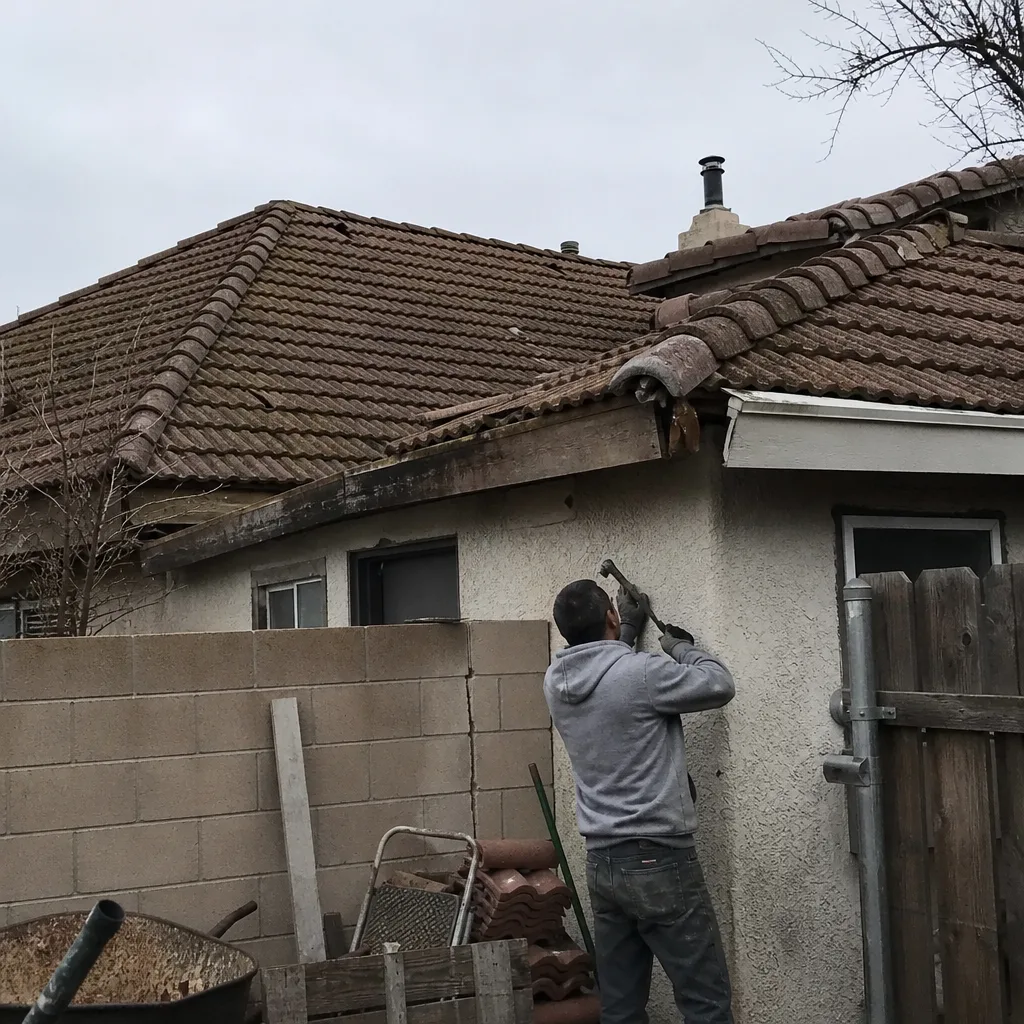 Before
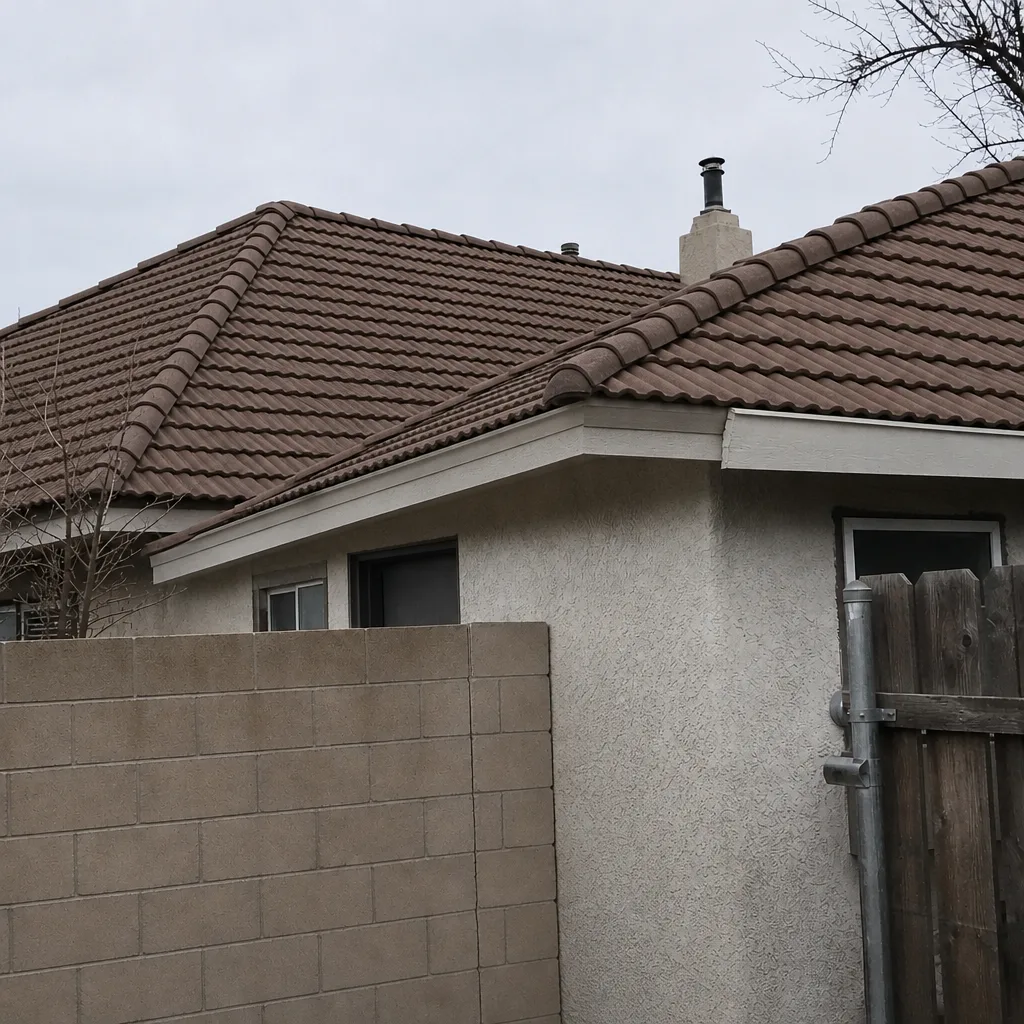 After
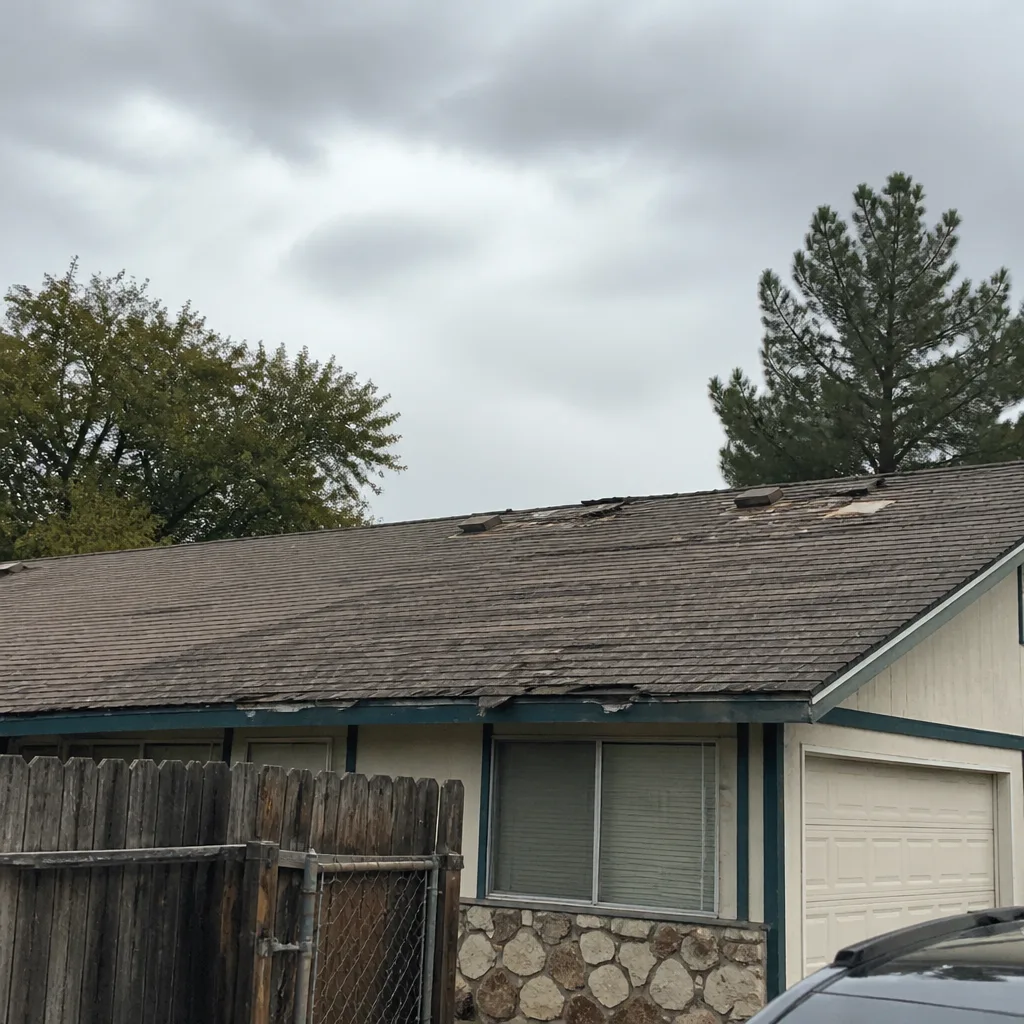 Before
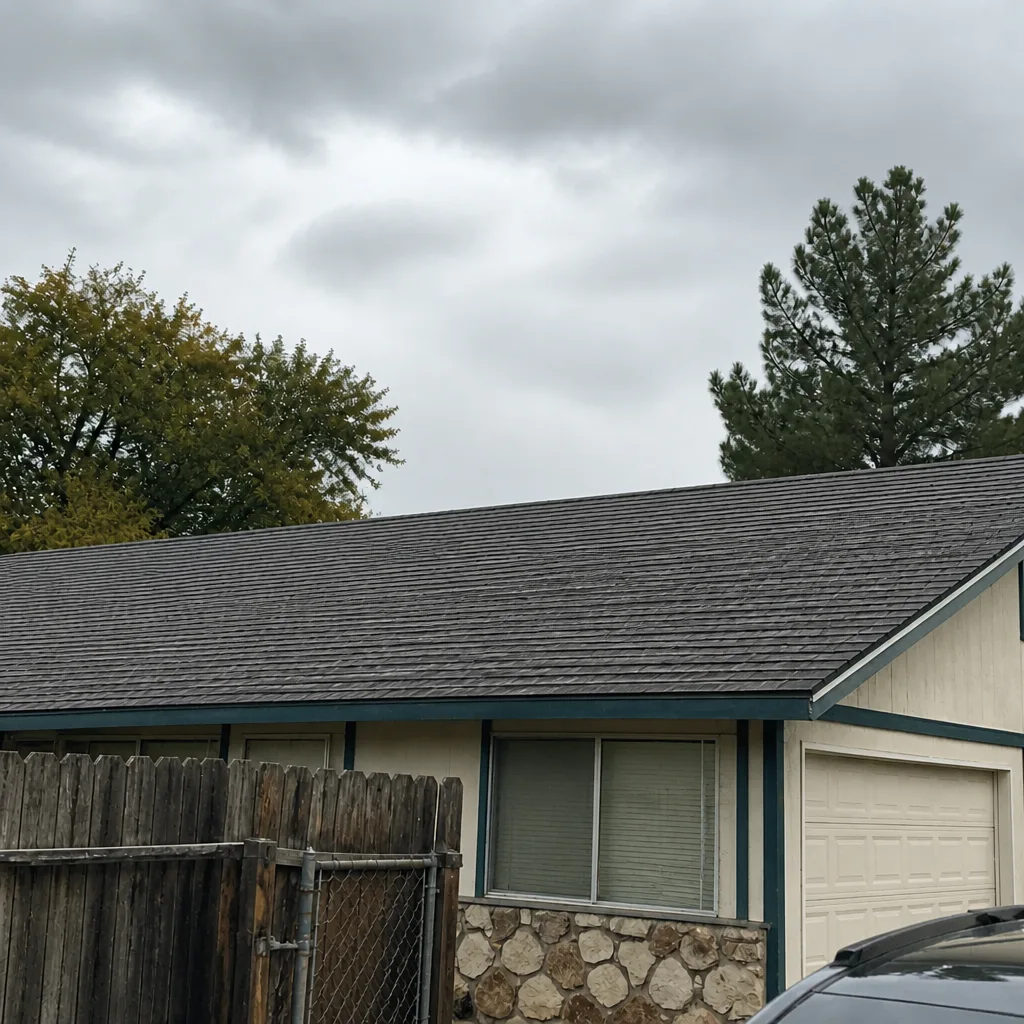 After
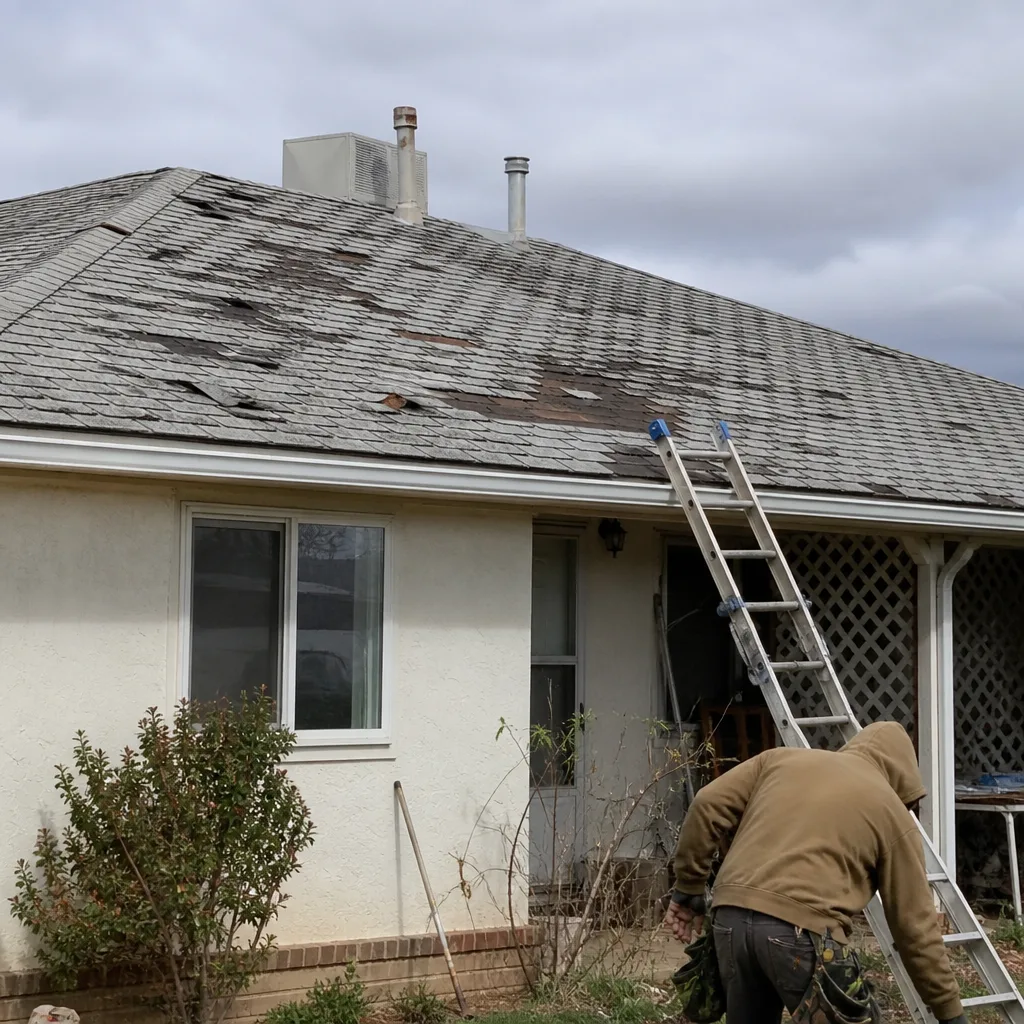 Before
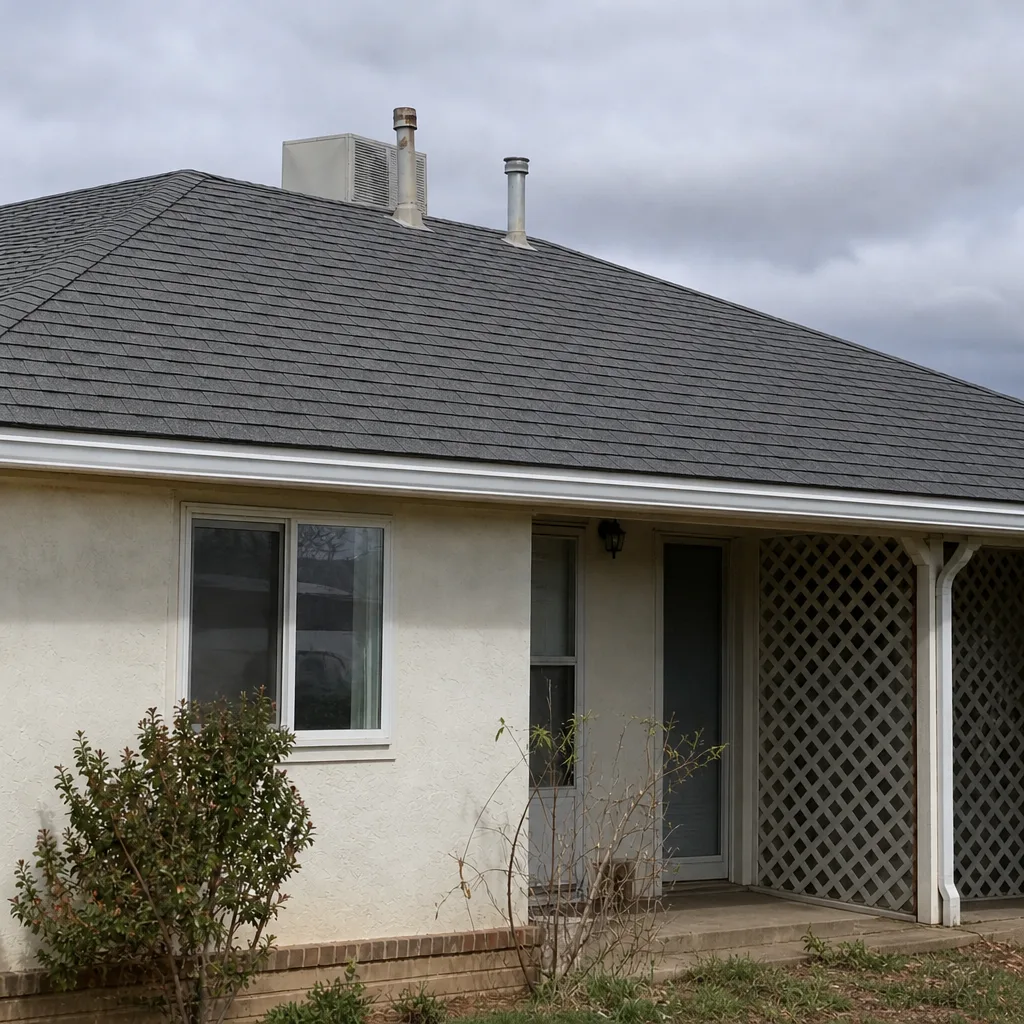 After