
Last updated November 16, 2026
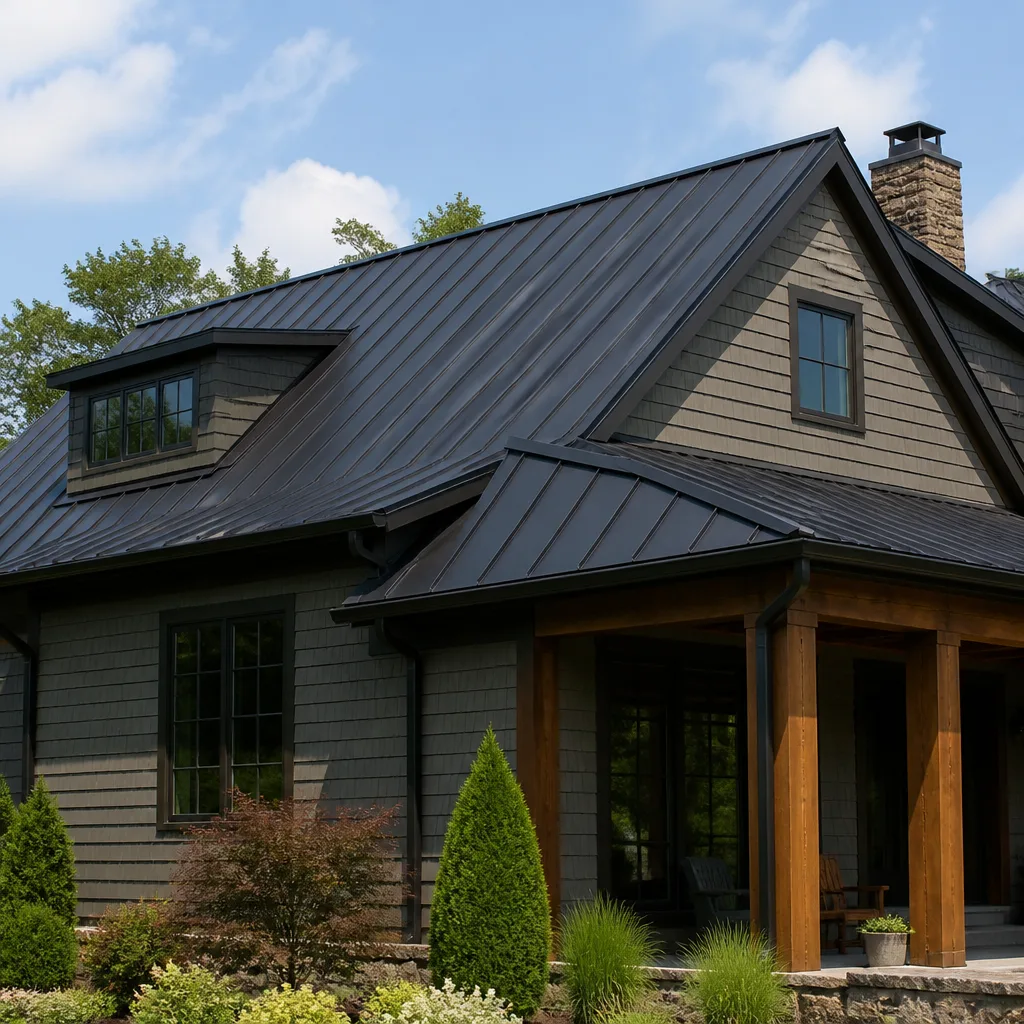 Metal roofing
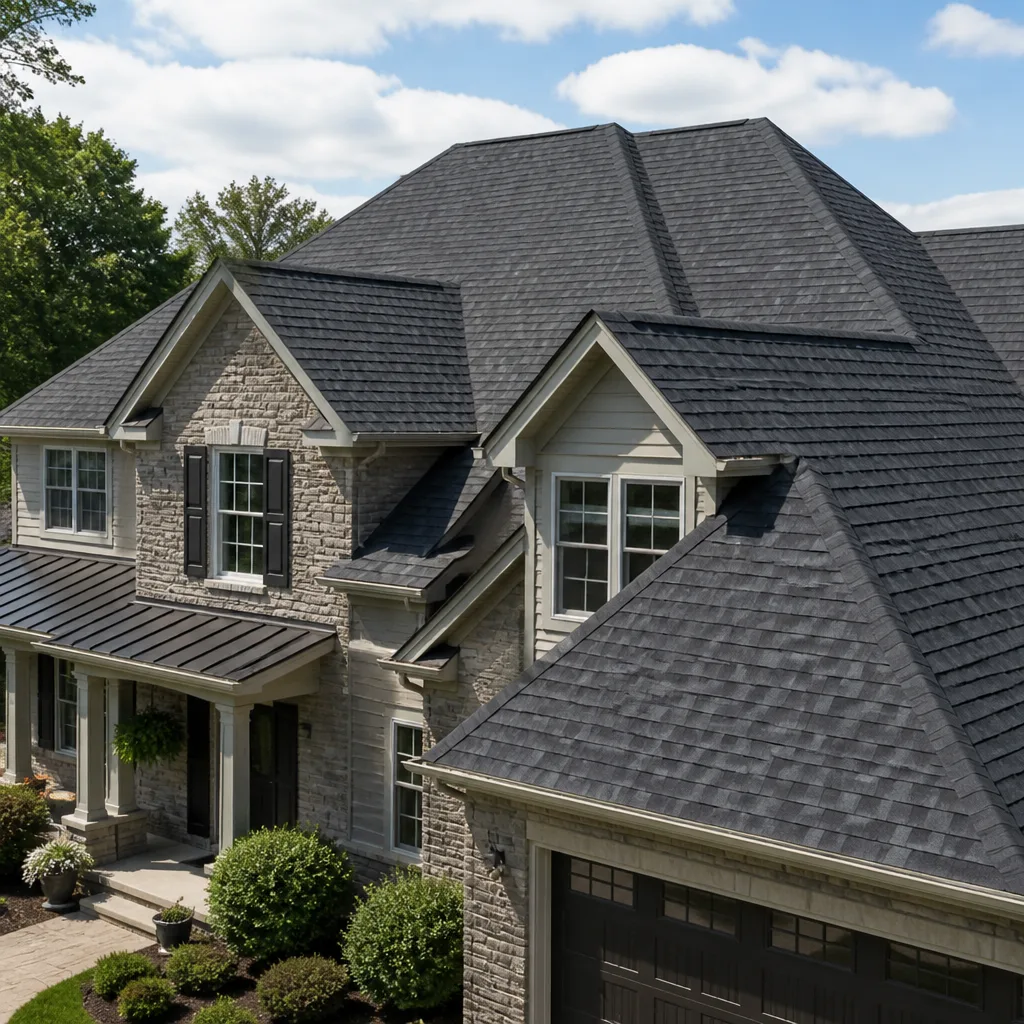 Architectural shingles
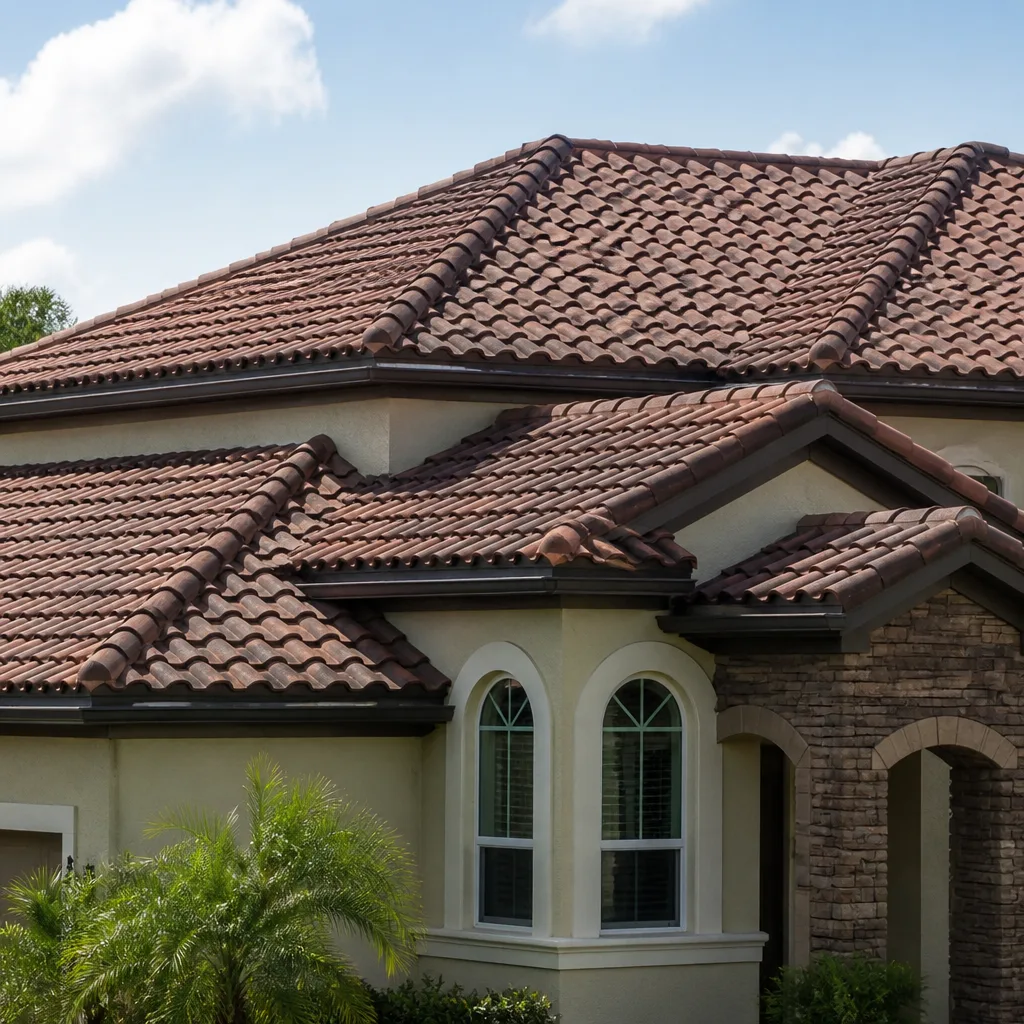 Tile roofing
 GAF
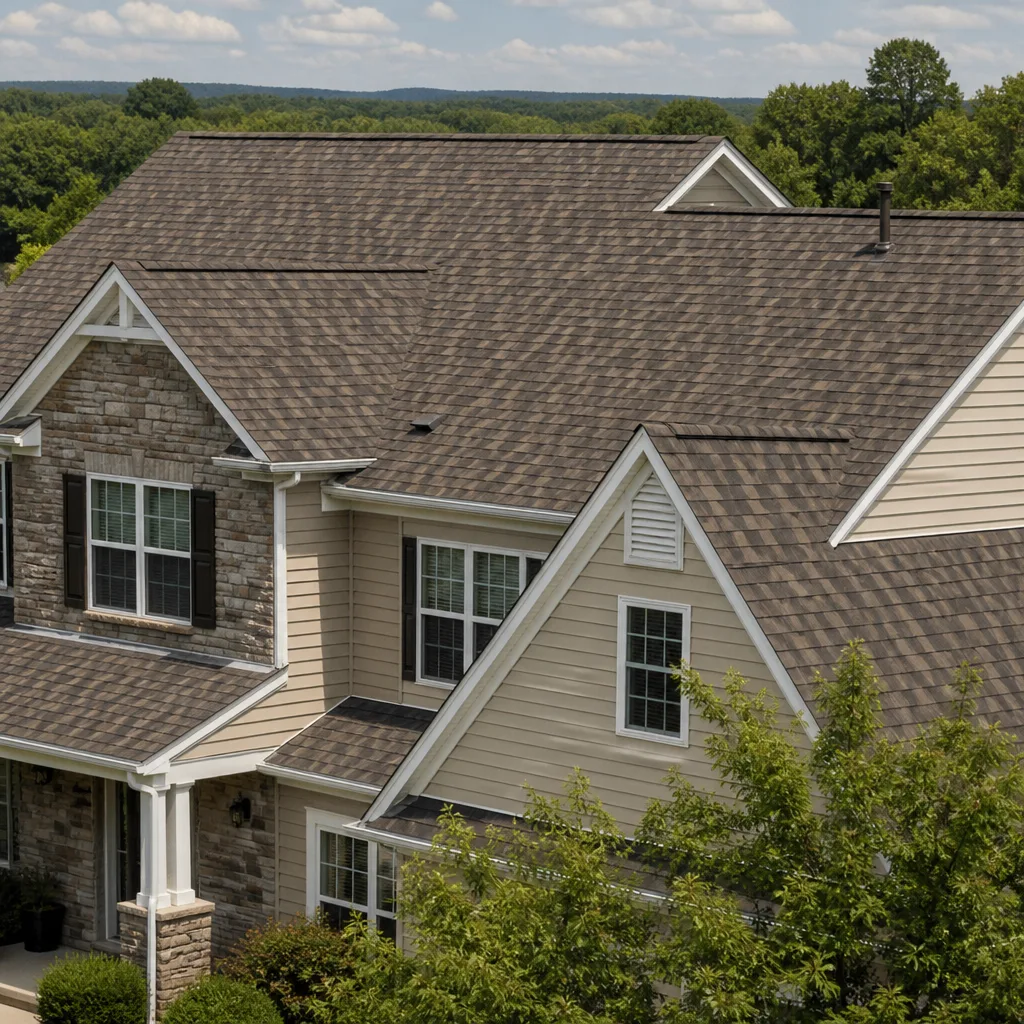 Owens Corning
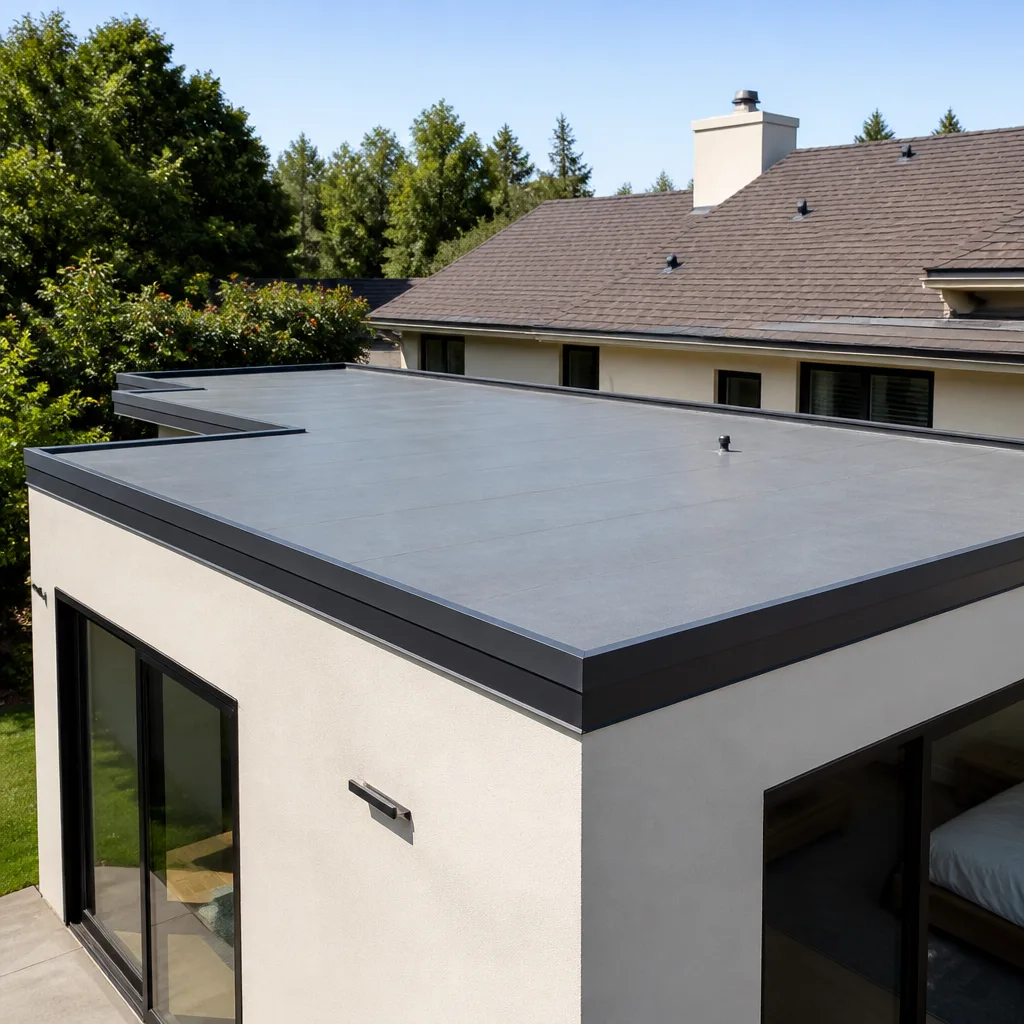 Flat & low-slope
Free roof inspection with deck photos before we talk money - GAF and Owens Corning certified installation
How to Hire a Roofing Contractor in Enterprise: A Step-by-Step Guide
Nevada requires roofing contractors to hold a C-15 license through the Nevada State Contractors Board, and that one fact already puts you ahead of most homeowners shopping for a roofer. Here’s the part that trips people up: “licensed and insured” in a sales pitch tells you almost nothing about whether the contractor specializes in roofing, because Clark County permit records can show a valid license from a classification that only loosely covers the work. Enterprise sits close enough to Las Vegas that out-of-state crews appear after monsoon season with temporary paperwork and polished presentations. This guide walks through the specific checks that separate an established local roofer from a traveling one, so you can hire with your eyes open.
Quick Answer
To hire a roofing contractor in Enterprise, verify the contractor’s C-15 roofing license directly in the Nevada State Contractors Board database, confirm the license classification actually matches roofing work, and compare written bids that list materials, product lines, and payment terms in detail. Ask how long the contractor has held the license and where the business is physically located, because a local record and a local address filter out most post-storm crews. The final step is a written contract with a deposit you can justify and a completion schedule you understand.
Styles & brands we work with
- Architectural shingles
- Metal roofing
- Tile roofing
- GAF
- Owens Corning
- Flat & low-slope
Table of Contents
- Step 1: Verify the Nevada C-15 License Yourself
- Step 2: Spot Post-Storm Contractors Before They Knock
- Step 3: Read the Bid Document Like a Contractor Would
- Step 4: Understand Manufacturer Certifications and Multi-Brand Roofers
- Step 5: Get the Payment Structure Right
- What Enterprise Roofs Actually Face
- Questions That Reveal Experience Fast
- Common Mistakes to Avoid
Step 1: Verify the Nevada C-15 License Yourself
The Nevada State Contractors Board issues a C-15 classification specifically for roofing and waterproofing work. A contractor holding an active C-15 license has met the board’s requirements for that trade, and the license record is public. You can look it up yourself in the NSCB database by license number or business name. Do this before you discuss price with anyone. It takes a few minutes, and it tells you more than any brochure.
Here’s where the Enterprise market gets tricky. Clark County’s permitting system will accept a licensed contractor from a Nevada classification that covers the work, which means a general contractor with a broad license can sometimes pull a roofing permit without holding the C-15 specialty. That’s not automatically a problem, but it does mean the phrase “licensed and insured” leaves the most important question unanswered: does this person actually do roofing for a living?
A valid license record gives you concrete details a sales rep can’t spin. Look for:
- License classification – confirm C-15 or an equivalent roofing designation, not just “general building.”
- Status – active, expired, suspended, or revoked. A suspended license with a polished sales team is a walk-away.
- Business name and qualifier – the name on the license should match the name on your contract and the name on the bid.
- Licensed business address – a Nevada address tied to the license is a good sign. A PO box in another state is not.
- Disciplinary history – the board publishes complaint and disciplinary records. Check them.
When you call a contractor, ask for the license number before anything else. A real roofing outfit in Enterprise gives it without hesitation, because they expect you to look it up. If you hear a story about why the number isn’t handy, that’s your answer.
What the license record won’t tell you
The database confirms the legal right to do the work. It doesn’t tell you whether the contractor pulls permits, carries enough insurance for your job, or will still answer the phone when a repair fails two years later. Those are separate checks, and the sections below cover them. Together they form the picture the single phrase “licensed and insured” was never meant to carry.
Step 2: Spot Post-Storm Contractors Before They Knock
Enterprise gets real weather. Summer monsoon storms roll through the valley with wind and sudden rain, and the aftermath is when out-of-state crews appear. They follow storm tracks across state lines, set up a temporary base, knock doors, and offer a fast deal. Some hold a temporary permit or an out-of-state license with a local arrangement. Many don’t. The ones who don’t are gone before you notice the leak they were supposed to fix.
The tell isn’t one thing, it’s a cluster. Locally established contractors show patterns that a traveling crew can’t fake convincingly. Watch for these:
- A local physical address on the contract. Look for a business address you can drive to, not just a phone number and a website. Ask how long the business has operated at that location.
- A Nevada C-15 license with a qualifying record. Confirm the license covers roofing, not just general work, and that it’s been held by the same business name for a meaningful stretch.
- A local reputation you can check independently. Ask neighbors, a local real estate agent, or the property manager who handles your HOA. Roofers who work Enterprise repeatedly have a track record you can hear about in ten minutes.
- No pressure to sign today. Storm chasers run on urgency. A legitimate contractor puts the bid in writing and gives you time to compare it.
- Willingness to pull permits. Ask directly. A contractor who says “we don’t need permits for this” on a full replacement in Clark County is telling you something important.
- Material availability you can verify. A roofer who works with multiple manufacturers, including GAF, CertainTeed, or Owens Corning, can tell you which product line and why. A traveling crew often quotes “architectural shingles” with no specifics because that’s all the deal sheet says.
None of this requires suspicion of every contractor who knocks. Plenty of local roofers canvass neighborhoods after a storm because that’s where the work is. The difference is what they do after the knock starts: one group hands you a license number and a written scope, the other wants a signature and a check before the conversation gets specific.
Step 3: Read the Bid Document Like a Contractor Would
A roofing bid is either a construction document or a sales flyer, and the difference shows up in the line items. A useful bid tells you exactly what’s being installed, where it’s being installed, and what’s being removed. A vague bid says “replace roof” and a price. That document is designed to leave room for change orders, and you’re the one who pays for the room.
A legitimate bid from a roofing contractor in Enterprise should include, at a minimum:
- The scope in sections – tear-off, deck inspection, underlayment, flashing, vents, ridge cap, and cleanup listed as separate line items.
- Material specifications – not “shingles” but the specific product line by brand name, such as a GAF Timberline or a CertainTeed Landmark shingle, with the manufacturer named.
- Underlayment type – what’s going under the shingles matters, especially in a climate with strong summer sun.
- Square count and waste factor – the number of roofing squares the job requires, with the amount of waste material accounted for.
- Pricing by section – so you can see what each part of the job costs, not just the total.
- Deck repair allowance – how the bid handles rotted or damaged sheathing found during tear-off, and at what price per sheet.
- Permit responsibility – who pulls the permit and whether the cost is included.
- Payment schedule and warranty terms – spelled out, not verbal.
- A written validity window – how long the price holds.
When two bids differ by thousands of dollars, the answer is almost always in the line items. One bid includes underlayment and flashing replacement; the other assumes the old materials are reusable. One specifies a premium shingle; the other bundles a builder-grade product. Don’t compare totals until you’ve compared details, because the cheapest bid is often the one that leaves the most out.
If you’re weighing repair against replacement, the bid should reflect that conversation, not preempt it. A thorough inspection that documents the condition of the deck, flashing, and shingle field gives you a real basis for a decision between roof repair and a full roof replacement. A contractor who walks the roof for six minutes and quotes a full tear-off hasn’t given you an inspection. They’ve given you a pitch.
Step 4: Understand Manufacturer Certifications and Multi-Brand Roofers
Manufacturer certifications like GAF Master Elite or CertainTeed SELECT ShingleMaster come with real requirements: licensing, insurance, and in most programs a track record of installations. They’re worth something. But they’re also marketing assets, and it’s easy to let a single badge do too much persuading.
A contractor carrying certifications from several manufacturers looks different from one who leads with a single brand. A single-brand contractor is, by design, incentivized to recommend that brand’s products. That’s not sinister. It’s just how supply chains work. A multi-brand contractor, one that installs GAF, CertainTeed, Owens Corning, IKO, Atlas, Tamko, and Boral, has to recommend based on the roof’s needs and the homeowner’s budget, because there’s no inventory pressure pushing one direction.
When you’re reading certifications, here’s how to interpret them:
- A single certification, prominently featured – the contractor may be qualified, but expect the recommendation to lean toward that manufacturer’s products.
- Multiple certifications across brands – the contractor can compare products honestly, and you should ask them to.
- A certification with no license to back it – manufacturer programs generally require proper licensing. If the C-15 record doesn’t match, ask why.
- Certification language in marketing versus the certificate – programs have specific tiers. A “certified installer” isn’t the same as a higher-level designation. Ask which level, and see if the contractor can point you to the program’s own listing.
A good roofer in Enterprise should be able to explain why they’d recommend one product over another for your particular roof, and a multi-brand contractor will actually have that conversation. When we quote a project, we work with all seven of those brands so the recommendation follows the roof, not a rep’s visit from the previous quarter.
Step 5: Get the Payment Structure Right
Roofing jobs in Enterprise typically run on a deposit-plus-progress structure, and the exact schedule varies by contractor and job size. What doesn’t vary is the principle: no legitimate roofing contractor needs the full price before the work is done. If a contractor asks for 100% up front, the conversation should end there. Deposit schedules are normal; full prepayment is not.
Here’s what to expect and what to question:
- A modest deposit at signing – enough to secure material and schedule the job, paid to a business account, not to an individual.
- Partial progress payments on larger jobs – some contracts release funds after material delivery or after a defined milestone. Get the schedule in writing.
- Final payment after completion – the last portion should be tied to your acceptance, including a walkthrough and cleanup confirmation.
- Warning sign: large cash deposits – cash requested before work begins, especially without a receipt on company letterhead, is a red flag.
- Warning sign: payment to a personal name – checks written to an individual instead of the business entity complicate every dispute that follows.
- Warning sign: a lien release you don’t receive – on bigger jobs, ask how the contractor handles material supplier payments. A supplier can file a lien against your property if they’re not paid. A written lien release or supplier acknowledgment protects you.
One more piece of the paperwork deserves the same attention: the warranty. Manufacturer warranties generally cover materials, while the contractor’s workmanship warranty covers the installation. Both should be on paper, and the manufacturer warranty terms should match the product actually being installed. If a bid references a premium shingle and the warranty paperwork covers a lower product line, that’s a discrepancy worth resolving before anyone lifts a shingle.
What Enterprise Roofs Actually Face
Hiring well means understanding what the contractor is up against in your neighborhood. Enterprise sits in the Las Vegas Valley, and that setting shapes roof life in specific ways. The summer sun is relentless, and UV exposure breaks down asphalt shingles over time regardless of how well they were installed. Ask a contractor how they account for that, and listen for an actual answer rather than a shrug.
Summer monsoon storms are the other major factor. Wind-driven rain is hard on flashing, ridge lines, and any point where the roof transitions, and the storms arrive fast. Hail is uncommon here, which is worth knowing when a contractor tells you a storm just destroyed your shingles and you need a full replacement immediately. Storm and impact damage does happen, but the diagnosis should come from an inspection, not from a pitch delivered at the front door.
Housing stock matters too. Neighborhoods across the valley were built in different eras, and roof age, deck condition, and original construction methods vary widely from one part of Enterprise to another. A contractor who has worked across these neighborhoods knows what to look for: the decking material, the way valleys are flashed, and the shingle type that holds up best on that particular roof. When you interview a roofer, ask what they see most often on roofs of your home’s vintage. An experienced contractor has a pattern to describe. A traveling crew will change the subject.
Why local experience matters more here than in most markets
Enterprise is close to Enterprise‘s neighboring communities and the greater Las Vegas market, which means contractors can work across the valley without a local base. That’s fine if it’s an established business. It’s not fine if the “local” presence is a hotel room and a rental truck. The right question isn’t “do you serve Enterprise?” It’s “where is your business and how long have you held your license?” That question, paired with the NSCB check, does more work than any other step in this guide.
Questions That Reveal Experience Fast
An interview with a roofing contractor should take about fifteen minutes, and the answers should be specific. Vague answers are data points. Here are the questions that surface the most, in the order you should ask them:
- “What’s your C-15 license number?” Ask it first. The answer, and how quickly it comes, tells you a lot.
- “How long have you held that license?” A long record with the same business name is a strong signal. A recently issued license isn’t disqualifying, but it should prompt more questions.
- “Will you pull the permit for this job, and is it included in the bid?” The answer should be an immediate yes or a clear explanation of who handles it.
- “What product line are you quoting, and why that one?” A roofer working across GAF, CertainTeed, Owens Corning, and other lines can compare products for your roof. That’s the answer you want.
- “What’s your payment schedule?” Any answer involving full payment up front ends the interview.
- “What does your workmanship warranty cover, and for how long?” The answer should be in writing, not verbal.
- “What’s the process if you find damaged sheathing during tear-off?” A clear per-sheet price and a documented change order process is the professional answer.
- “Can I see the written scope before I sign anything?” Yes is the only acceptable answer.
Notice what’s not on this list: “Are you licensed and insured?” That question gets a yes from everyone, and it’s the least informative one you can ask. The C-15 number is the version of that question with teeth. Our technicians have up to 9 years of experience, and the questions above are the same ones serious contractors ask themselves before taking a job. When a roofer can answer all eight without hesitation, you’re talking to someone who does this every week in Enterprise, not someone passing through.
Common Mistakes to Avoid
- Accepting “licensed and insured” as a complete answer. Confirm the C-15 classification and the record yourself. A general license that technically covers the work doesn’t tell you the contractor specializes in roofing, and that gap matters when the job goes sideways.
- Hiring the first door-knocker after a storm. Post-storm surges bring out-of-state crews into Enterprise and the surrounding valley. A legitimate contractor will still be reachable next month. Ask for the license number and the local business address before you discuss anything else.
- Comparing bids by total price only. A bid without line items, material specifications, and manufacturer product lines isn’t a bid. It’s a number, and the number is usually low because the work behind it is thinner.
- Paying in full before the work is complete. Deposit-plus-progress is normal. Full prepayment has no legitimate justification on a residential roofing job, and it leaves you no leverage if the crew doesn’t finish.
- Skipping the permit question. Clark County has permit requirements for roofing work, and a contractor who offers to skip them is skipping the inspection that protects you. Ask directly and get the answer in the contract.
- Letting a single manufacturer certification drive the decision. A GAF or CertainTeed badge is a useful signal, but a contractor who carries several brands can recommend based on your roof instead of their inventory. If one brand comes up in every sentence, ask why.
- Ignoring the change order process. Every roofing job can turn up surprises under the surface. The question is whether the contractor has a documented, priced process for handling them or whether you find out at the end.
See the difference
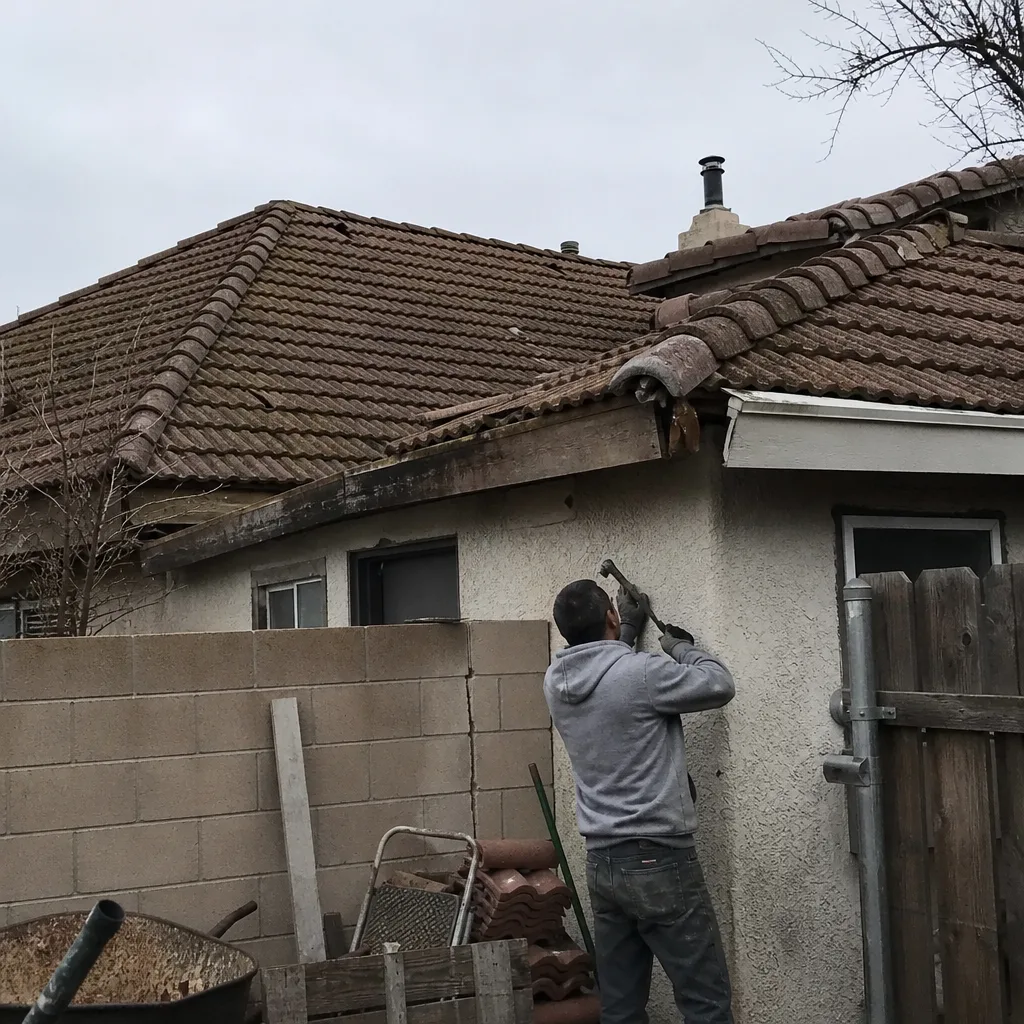 Before
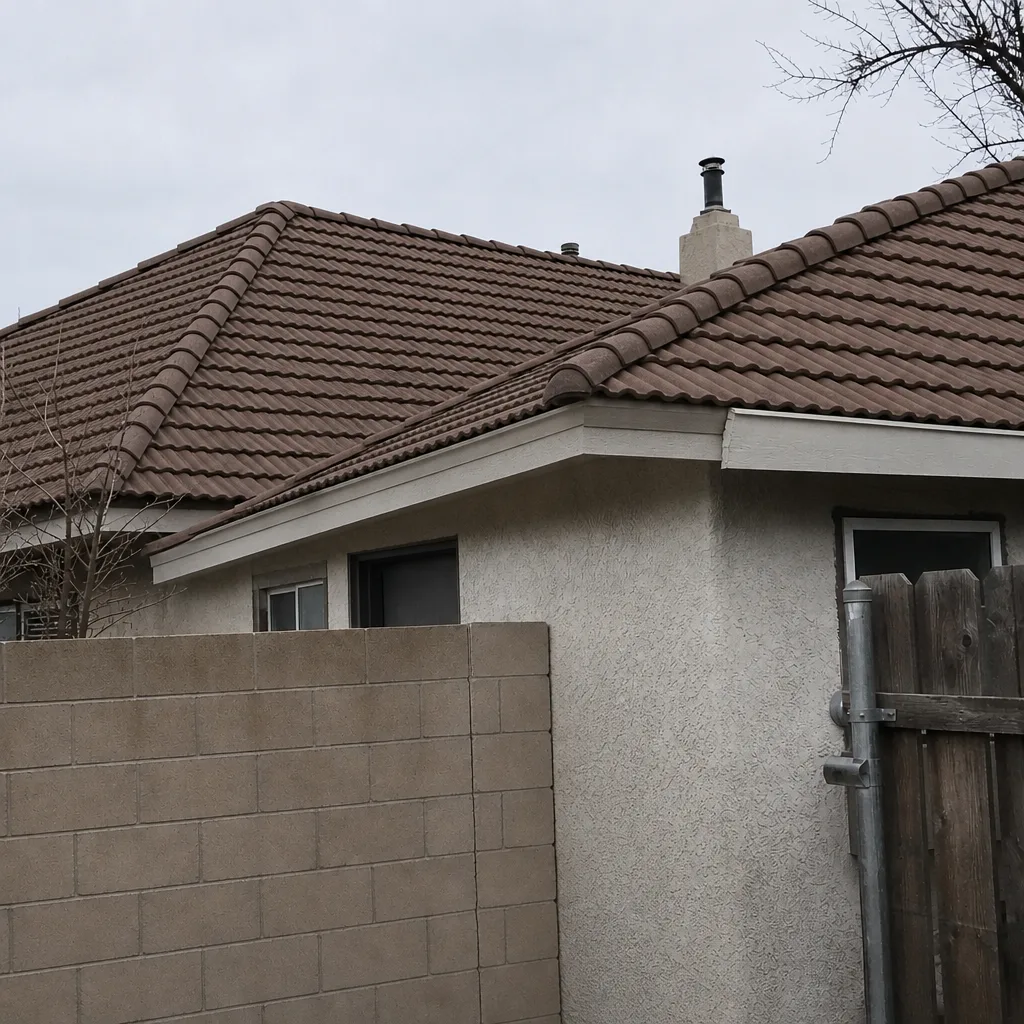 After
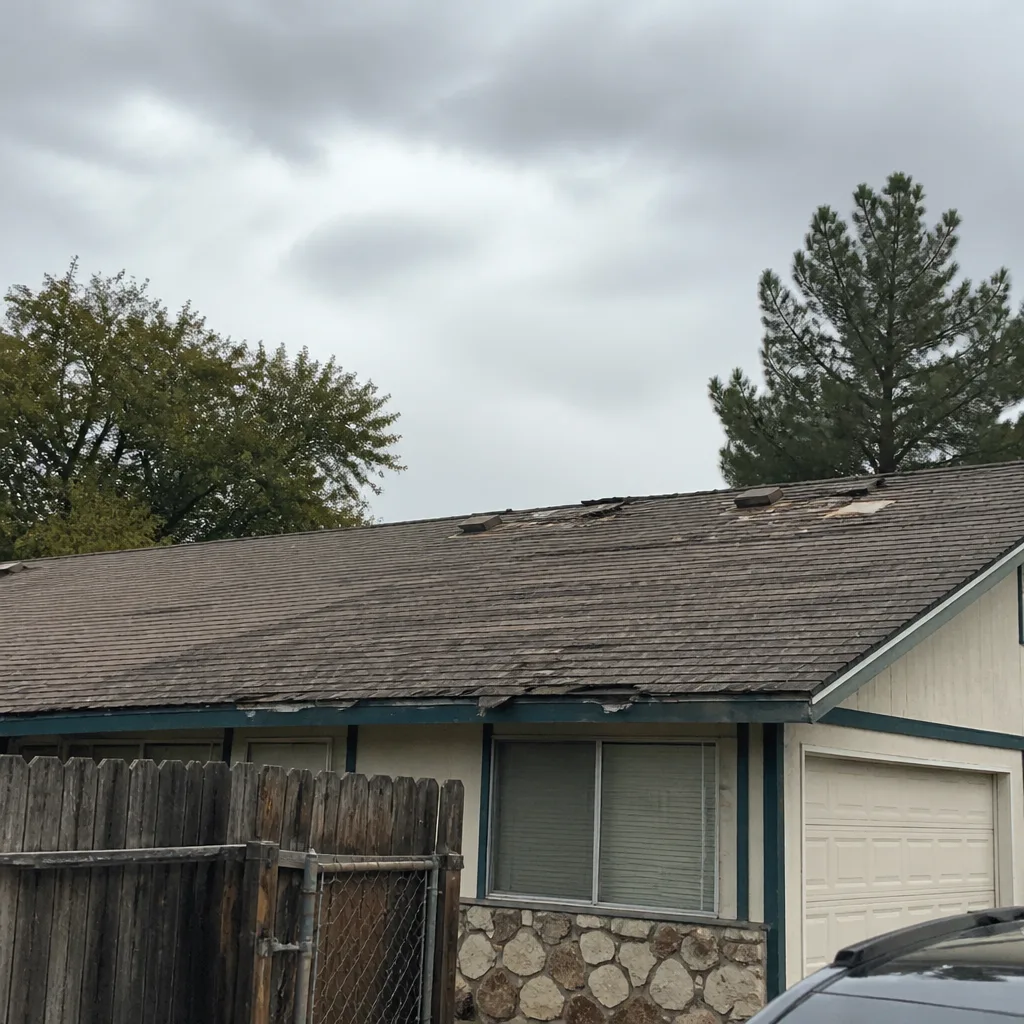 Before
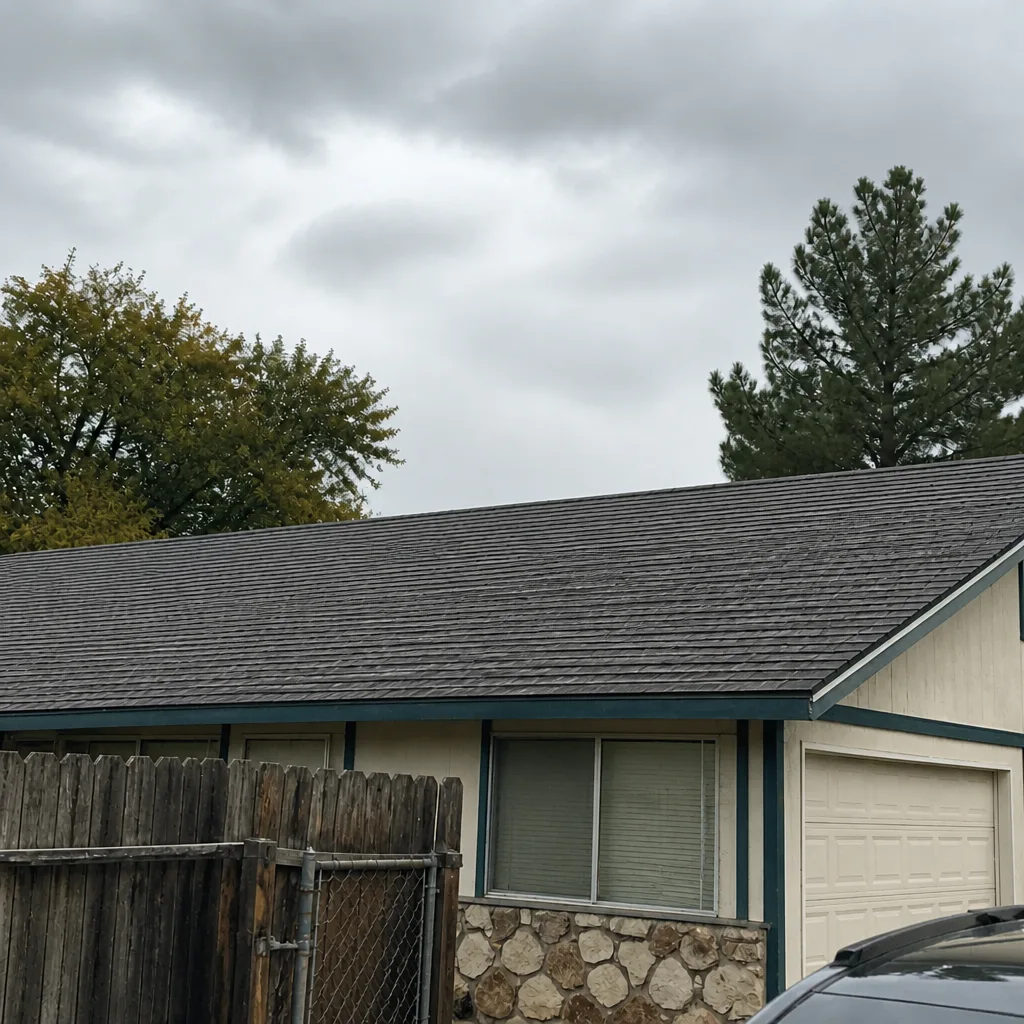 After
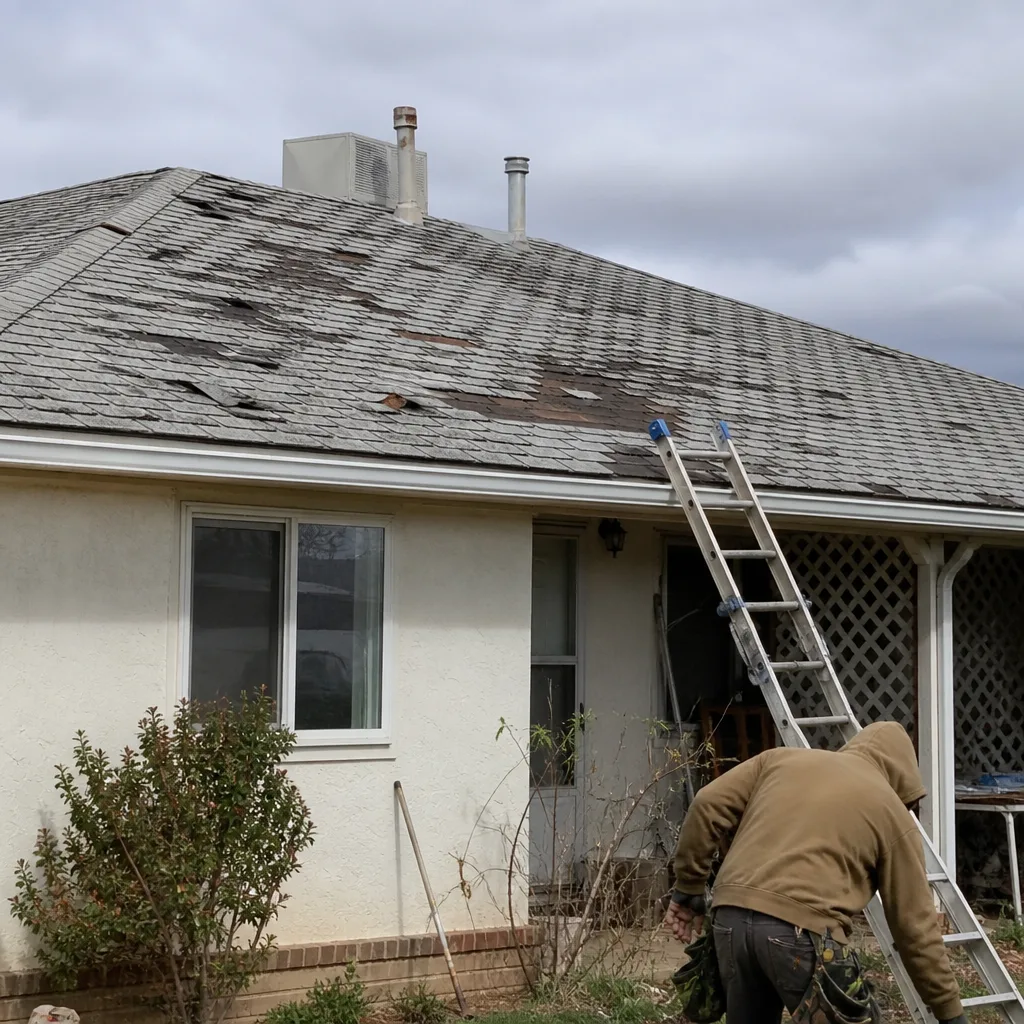 Before
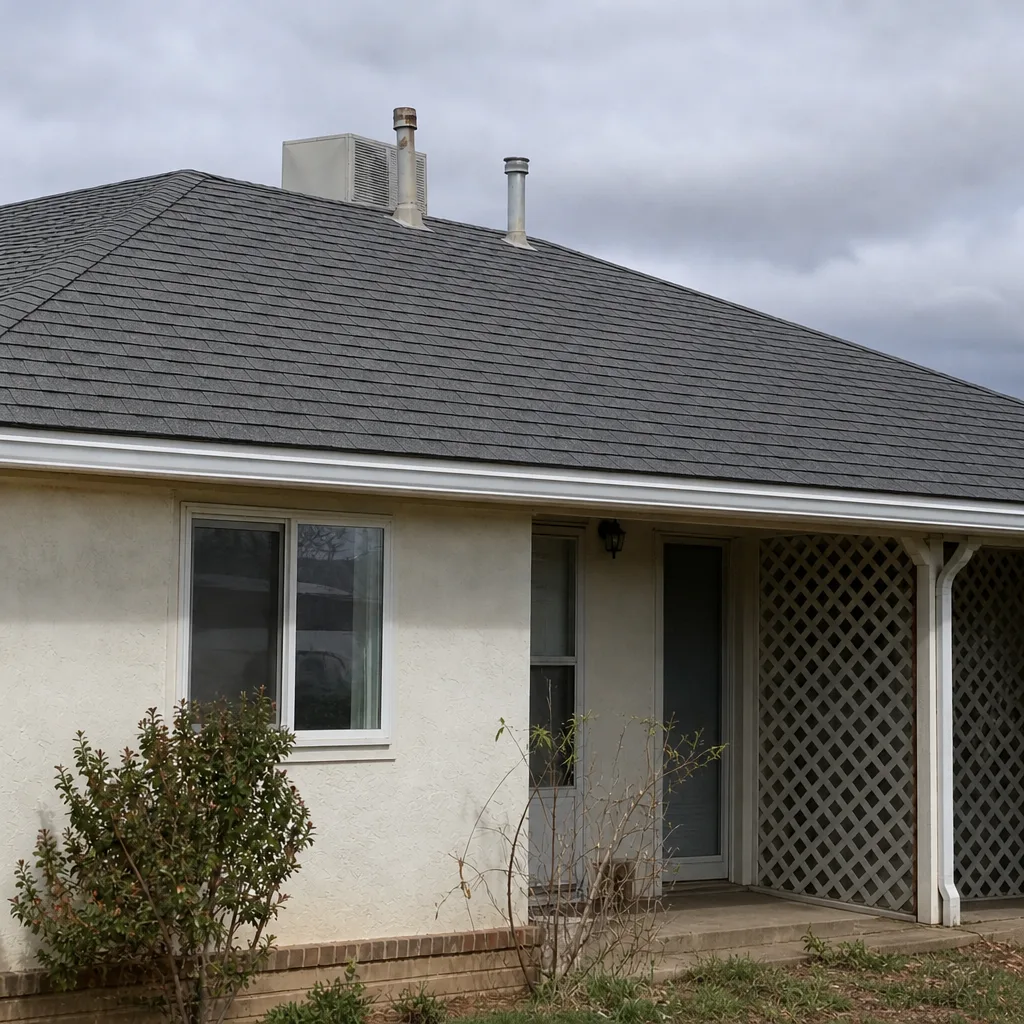 After
When to Call a Professional
Some roof questions are answerable from the ground. Others need a trained eye on the surface. Call a professional if you see missing or lifted shingles after a monsoon storm, if water stains appear on ceiling drywall, if granules are collecting in your gutters in visible amounts, or if the roof is older and you don’t know its history. Those are signs a full inspection should happen before small damage spreads into the deck and framing. Ladder work on a sloped roof is genuinely dangerous, and we don’t recommend climbing up to check for yourself; a trained technician with fall protection is the right person to look.
Enterprise Roofer offers free estimates in Enterprise, and the inspection is a real diagnostic, not a sales funnel for a full replacement. Not every roof needs to be torn off. Call (866) 834-8493. We answer 24/7. Fast dispatch from 7am to 7pm, Sunday through Friday.
Frequently Asked Questions
You look it up yourself in the Nevada State Contractors Board database using the contractor’s license number or business name. The C-15 classification is the roofing specialty, and the public record shows the license status, the licensed business name, and any disciplinary history. Confirm the license is active and the classification covers roofing before you sign anything. Call (866) 834-8493 for an exact quote on your project. Estimates are free.
“Licensed and insured” is a marketing phrase, while a C-15 license is a specific Nevada classification for roofing and waterproofing work. Clark County permits can be issued to contractors from other classifications that cover the work, so a general contractor may be licensed and pull a roofing permit without holding the roofing specialty. Ask for the C-15 number and verify it, because the classification tells you whether the contractor actually specializes in the trade. Call (866) 834-8493 to schedule your free estimate.
Look for a cluster of red flags: no verifiable Nevada address, a recently issued or out-of-state license, pressure to sign immediately, and no willingness to pull permits. Legitimate local contractors give you a license number, a business address, and a written bid, and they don’t mind you comparing it. Storm chasers often ask for a large cash deposit up front, which no established roofer needs. Call (866) 834-8493 for a written estimate you can compare.
A proper bid lists the scope by section (tear-off, underlayment, flashing, vents, cleanup), names the specific product line and manufacturer, states the square count, and gives line-item pricing. It should also spell out the deposit and payment schedule, permit responsibility, the warranty terms, and how deck repair is handled if damage is found. A bid that says “replace roof” with one total price is a sales flyer, not a construction document. Call (866) 834-8493 to get a bid in writing.
Most roofing work in Clark County requires a permit, and a legitimate contractor will pull it and make sure the inspection is passed. The exact requirement depends on the scope of the work, so ask your contractor directly and confirm they handle the permit as part of the bid. A contractor who offers to skip the permit is skipping the inspection that protects you. Call (866) 834-8493 to talk through your project and what it involves.
A multi-brand contractor can compare products across manufacturers and recommend based on your roof’s needs and your budget, while a single-brand contractor is naturally limited to their own product line. Certifications from several manufacturers, such as GAF and CertainTeed alongside others, show a contractor has met requirements across programs and isn’t tied to one supply chain. Ask them to explain why they chose a particular product for your roof and see what the answer sounds like. Call (866) 834-8493 for a free estimate and a material recommendation in plain language.
Related reading: If you’re still deciding between a repair and a full installation, our guide to Enterprise Roofer services walks through how inspections inform the decision, and our inspection-focused pages cover what a thorough roof check includes in this valley.
The Bottom Line
Hiring a roofer in Enterprise comes down to four checks that don’t take long: verify the C-15 license in the Nevada State Contractors Board database, confirm the contractor has a real local business record, insist on a bid with line items and named materials, and hold the contractor to a payment structure that keeps final funds tied to completion. Manufacturer certifications are useful signals, especially when a contractor carries several and can compare brands honestly. The door-knockers and out-of-state crews fail those checks quickly, which is exactly what the checks are for. Enterprise Roofer offers inspection, repair, and replacement as one continuous service, and every job starts with an honest look at what your roof actually needs. Call (866) 834-8493 for a free estimate. We answer 24/7. Fast dispatch from 7am to 7pm, Sunday through Friday.
Written by the team at Enterprise Roofer.